

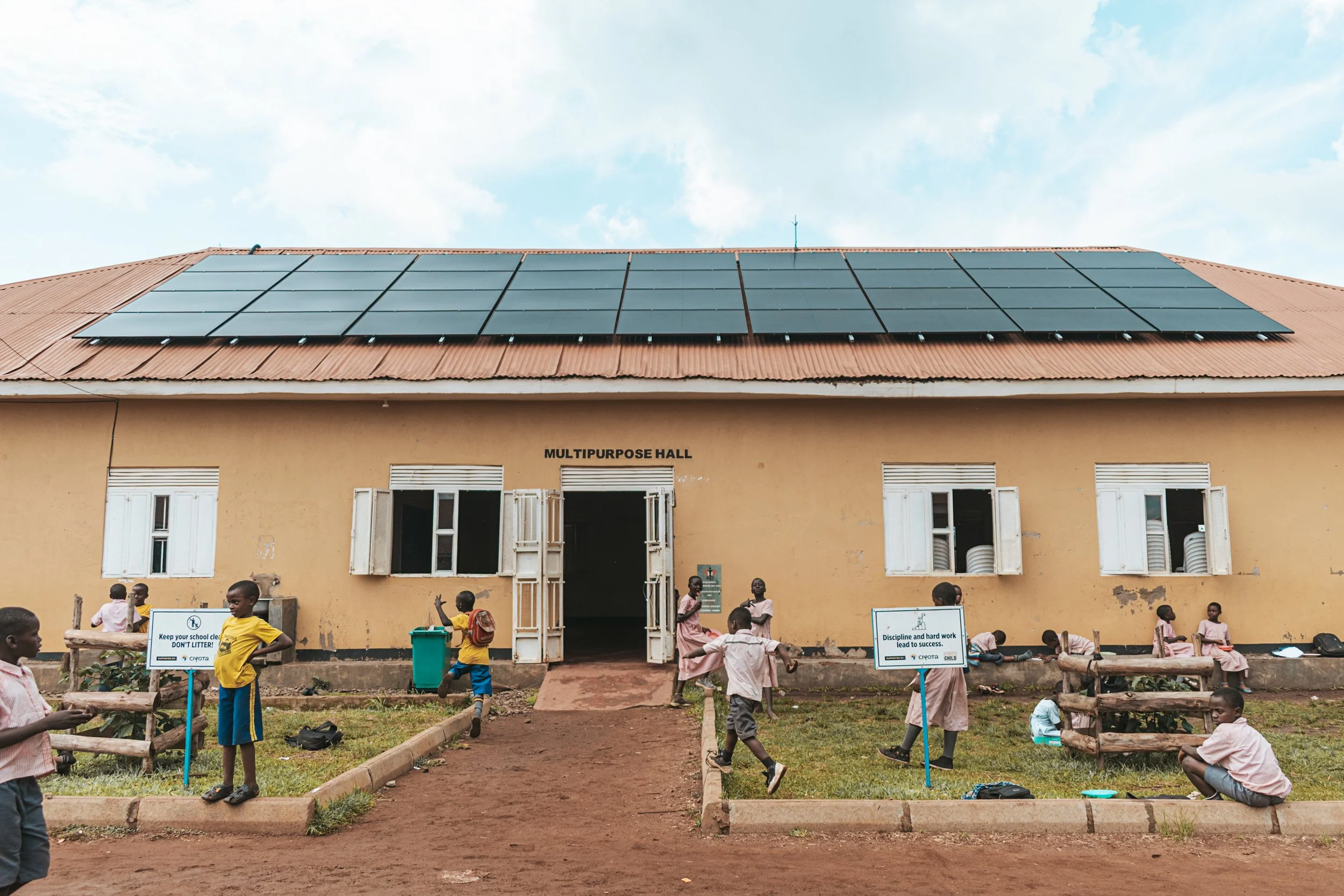
One of the two solar systems now sit on the roof of P4T’s Primary school.
In October, we finished two solar installations in Uganda’s Kyangwali Refugee Settlement. They now power the schools and wider campus of Planning for Tomorrow (P4T).
For the past 18 months, the national grid has failed several times a week, sometimes for up to 12 hours. Those outages determined when, and for how long, the schools’ roughly 1,000 students could study. The new systems give P4T a reliable supply of its own, keeping rooms lit and computers running when the grid goes down.
Aid Pioneers delivered the project in collaboration with P4T and Solar Energy Foundation Uganda, with support from the Altenburg Foundation. Financial backing from Begeca, the Belron Ronnie Lubner Charitable Foundation and Misereor made the installations possible.
Within a week, the systems faced their first test when the settlement lost grid power for four days, and P4T kept running throughout.
A school built from within
Kyangwali lies in western Uganda, close to the border with the Democratic Republic of Congo. The settlement has sheltered displaced families since the 1960s, and more than 157,000 people now live there. For most of that time, good schools have been and remain scarce.
Inside the settlement, a group of refugees founded P4T in 2007 with the aim to meet the need themselves. Its founders had fled conflict in the DRC and neighbouring countries, building the organisation around a single principle: “Nothing for us without us.” Nearly two decades later, P4T runs a primary and a secondary school alongside wider community programmes. Around 1,000 students attend, and many board on site because their families live too far away to make the journey daily.
In Uganda, 64 per cent of refugee children aged 6 to 12 attend primary school, according to a 2022 national survey. After that, however, the numbers drop sharply, and only 7 per cent of boys and 4 per cent of girls aged 13 to 18 go on to secondary school.
Quality education acts as an anchor that keeps children in the classroom long enough to reach the next step, and its effects often extend well beyond the individual student. Samuel Usabuwera spent his early school years in a class of around 250 children. When he joined P4T as a primary pupil, however, he studied alongside only 14 others. That experience later inspired him to start his own school in a nearby community, where children like him had little access to good teaching. He was just 19 when he founded it, and you can read his story here.
Beyond its two schools, P4T has built programmes for the wider settlement. At its vocational training centre, refugees learn a trade and the skills to run it as a business, and graduates leave with a start-up kit so they can begin earning straight away. Its award-winning farming programme, meanwhile, teaches people to grow high-value crops on very small plots. P4T also runs a clinic with its own pharmacy and a finance office, which serve families across Kyangwali. Much of this, however, depends on electricity that the grid could not guarantee.
What reliable power changes
Our connection with P4T goes back to 2022, when the Altenburg Foundation first introduced us. Shortly after, the primary school became home to our first ever solar pilot, a modest 1.0 kWp system that mainly ran the office essentials and some lighting. That pilot, however, covered only a fraction of the school’s needs. So in summer 2025, our team travelled to Kyangwali to see both schools in person, and from there we began work on a full solar supply for each.
Today, reliable electricity underpins almost everything that happens across P4T’s two sites, from the classroom to the health clinic and finance office. Since October, the change shows up across both sites:
Light after dark: Near the equator, night falls early throughout the year. Classrooms, the library and boarding houses now stay lit in the evening, so students can keep studying after dark. Outside, P4T can now light its grounds properly, where a single solar lamp once left learners crossing them in near darkness.
Working equipment: The schools have secured 40 computers, and because few students own a laptop, these machines are often their main route to digital skills. Until recently, a single dip in supply could erase an assignment halfway through, while constant fluctuations wore down the hardware. Stable power now protects both the students’ work and the equipment.
Reliable teaching: Teachers can now plan lessons around projectors, laptops and the smart TVs in classrooms, knowing the equipment will still work by the time the lesson starts. In the school hall, the projector and sound system now support assemblies and larger sessions, while printers keep exams and teaching materials ready on time.
Skills that lead to an income: At the vocational training centre, sewing machines and hair dryers now run for the full length of a lesson, as do the irons and the mixer that trainees use to make soap. Laptops, a projector and an internet connection also support the business side of their training.
Health care: The clinic and pharmacy can now run their blood analyser, centrifuge and microscope during a blackout, while a fridge keeps medicines at a stable temperature. As a result, staff can test and treat patients regardless of the grid.
Water access: The school’s electric water pump now runs reliably, so staff and students no longer queue at the settlement’s crowded manual pump during outages. Water on site also allows P4T to expand its agricultural teaching.
Running the organisation: Behind the classrooms, P4T’s admin offices and finance office keep everything running, and their computers, printers and copiers no longer stop when the grid does. Even the guest house, where visitors stay, now runs its lights and washing machine on solar.
On their own, these might seem like modest changes. Combined, they determine how much time students have to learn, which opportunities follow and how well P4T can serve the wider settlement.
“P4T management is delighted to have the solar system finally installed and commissioned. We have already experienced its benefit, as our Primary Seven candidates had enough light to study and revise for their just-concluded national exams.
Even during blackouts on the national grid, our school activities continued as planned. The system is expected to greatly reduce our operational costs of running on national grid power. We are thankful to our donors for this great support.”
Building the systems
Our team visited both schools in summer 2025 to assess the sites and take measurements. Our in-house engineers then designed the two systems and oversaw the installation, while our partner Solar Energy Foundation Uganda carried out the work on site. Together, the systems combine 144 solar panels with a total capacity of 68.8 kWp and 23 battery modules, which store 66.24 kWh to carry both sites through outages. Four inverters link the panels and batteries and manage how power flows to each building.
Through our network of solar providers, we sourced the panels, inverters and batteries from Enpal and the mounting structures from Eurotec at discounted prices. Cost mattered, though quality mattered more. The bifacial monocrystalline panels carry a 25-year warranty, and the batteries a 10-year warranty, so both sites can rely on their systems for years to come. Over the next decade, P4T will also save around €143,900 in net electricity costs, money it can put back into its schools and programmes.
Two lights in Kyangwali
When the grid failed in October, the UNHCR facility and P4T were the only places in the settlement with continuous electricity supply. For a school that refugees founded with little more than a shared principle, it says a lot about what communities can do with the right support.
To explore similar projects with us, contact our partnerships team.
The journey in pictures
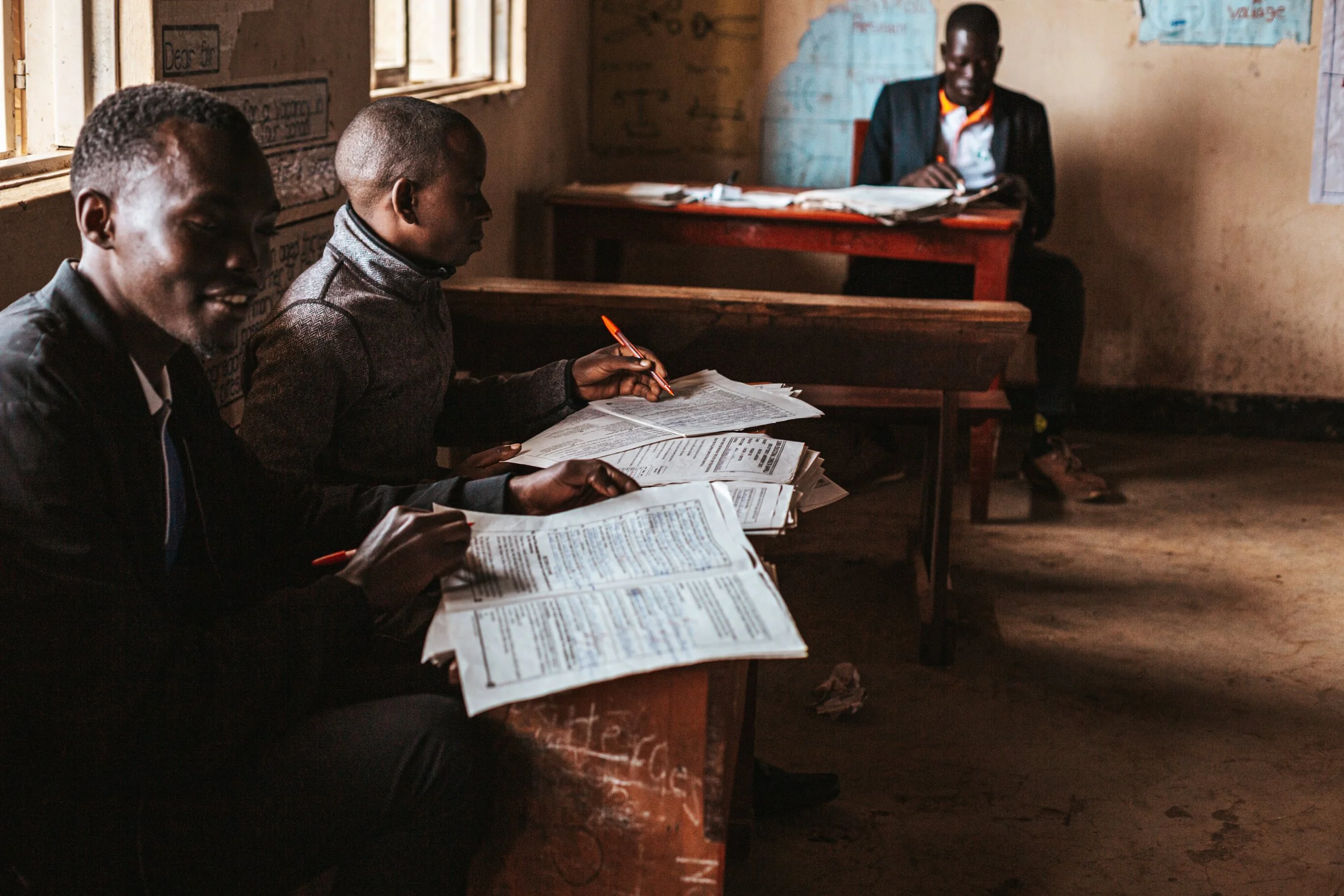
During our visit in August 2025, teachers graded the latest exams in dim classrooms where daylight was the only available source of light.
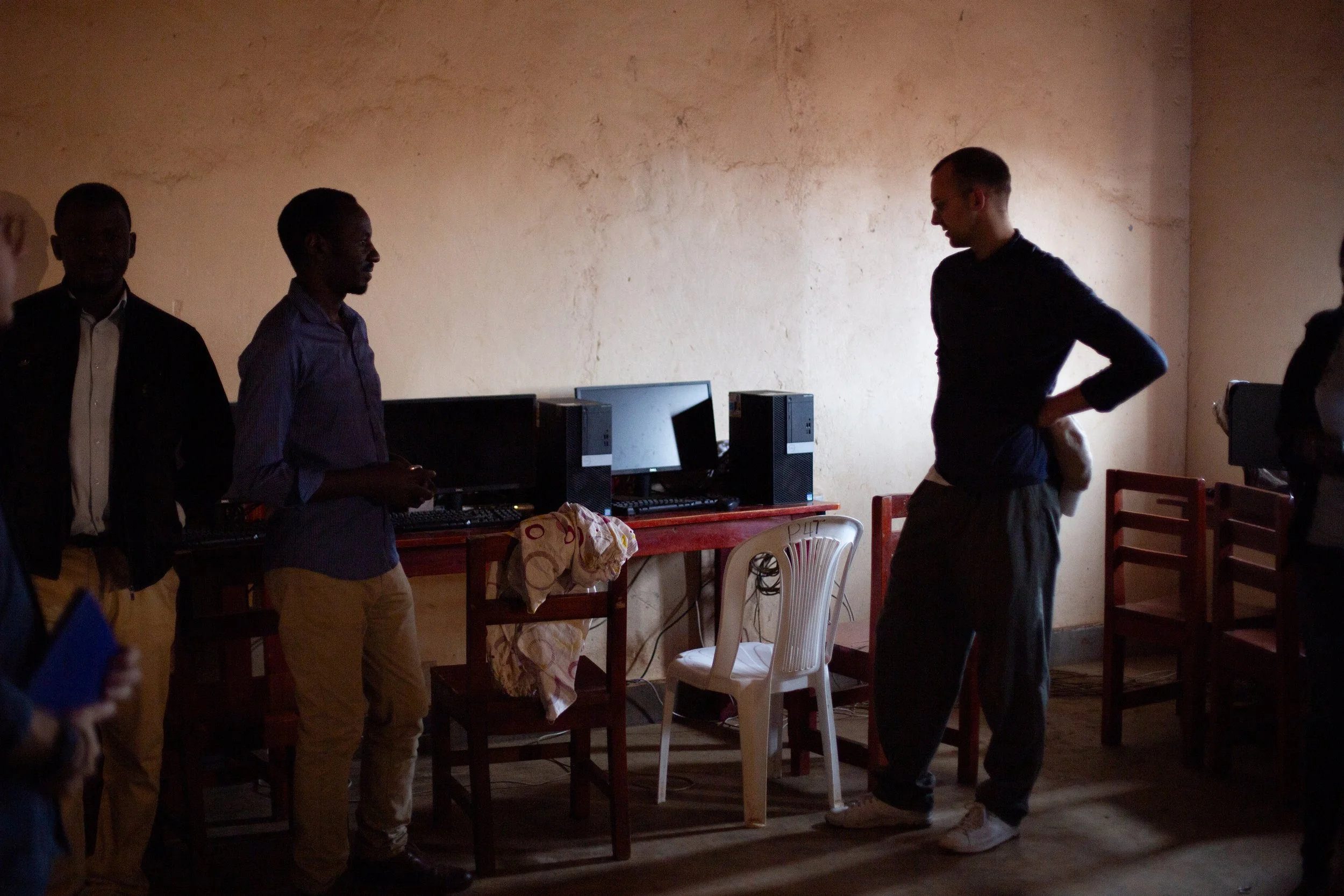
The computer lab was only used sporadically due to the continuous power cuts.
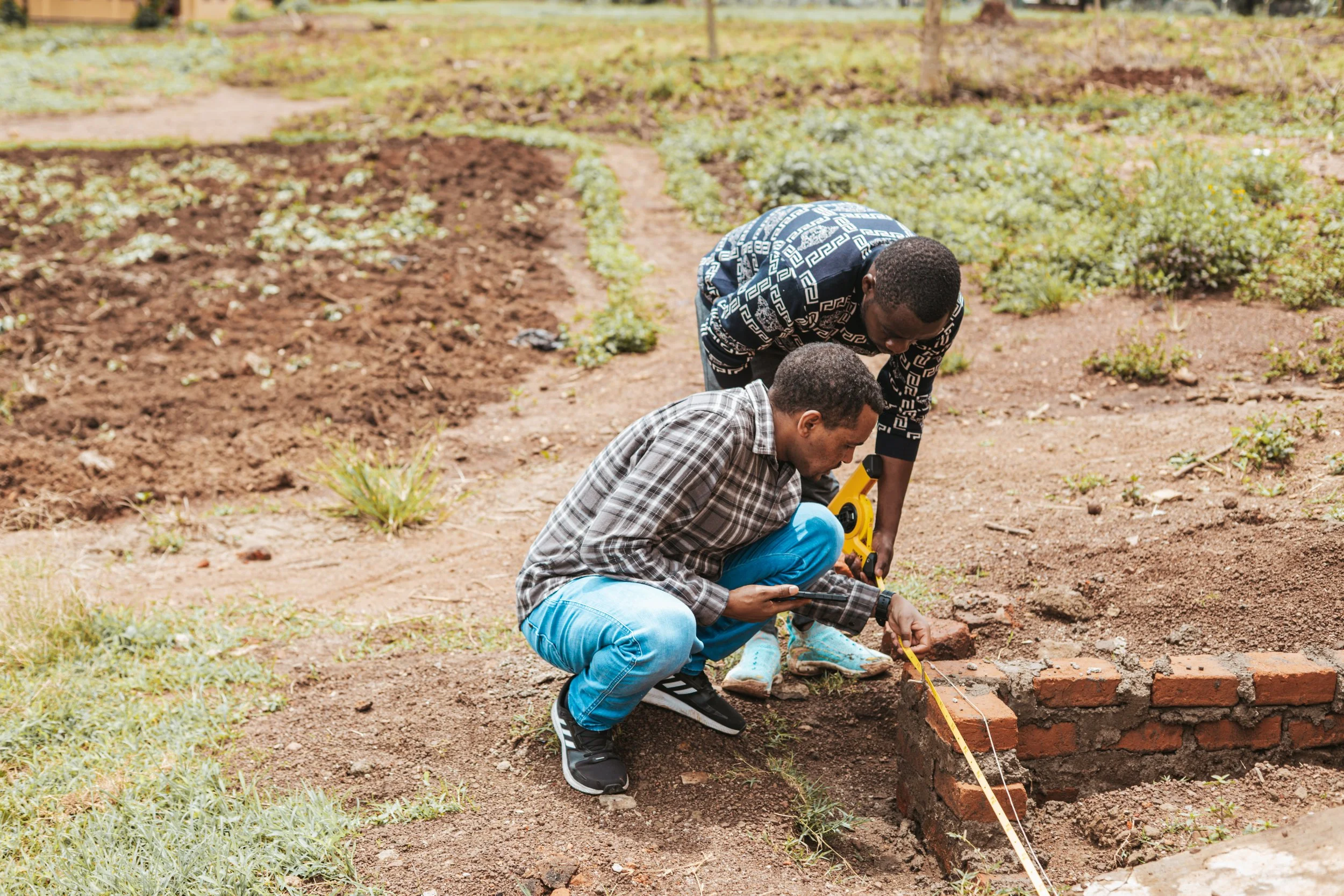
Aid Pioneers' Head of Solar Engineering, Girmay Behre, taking measurements to plan the system for the secondary school.
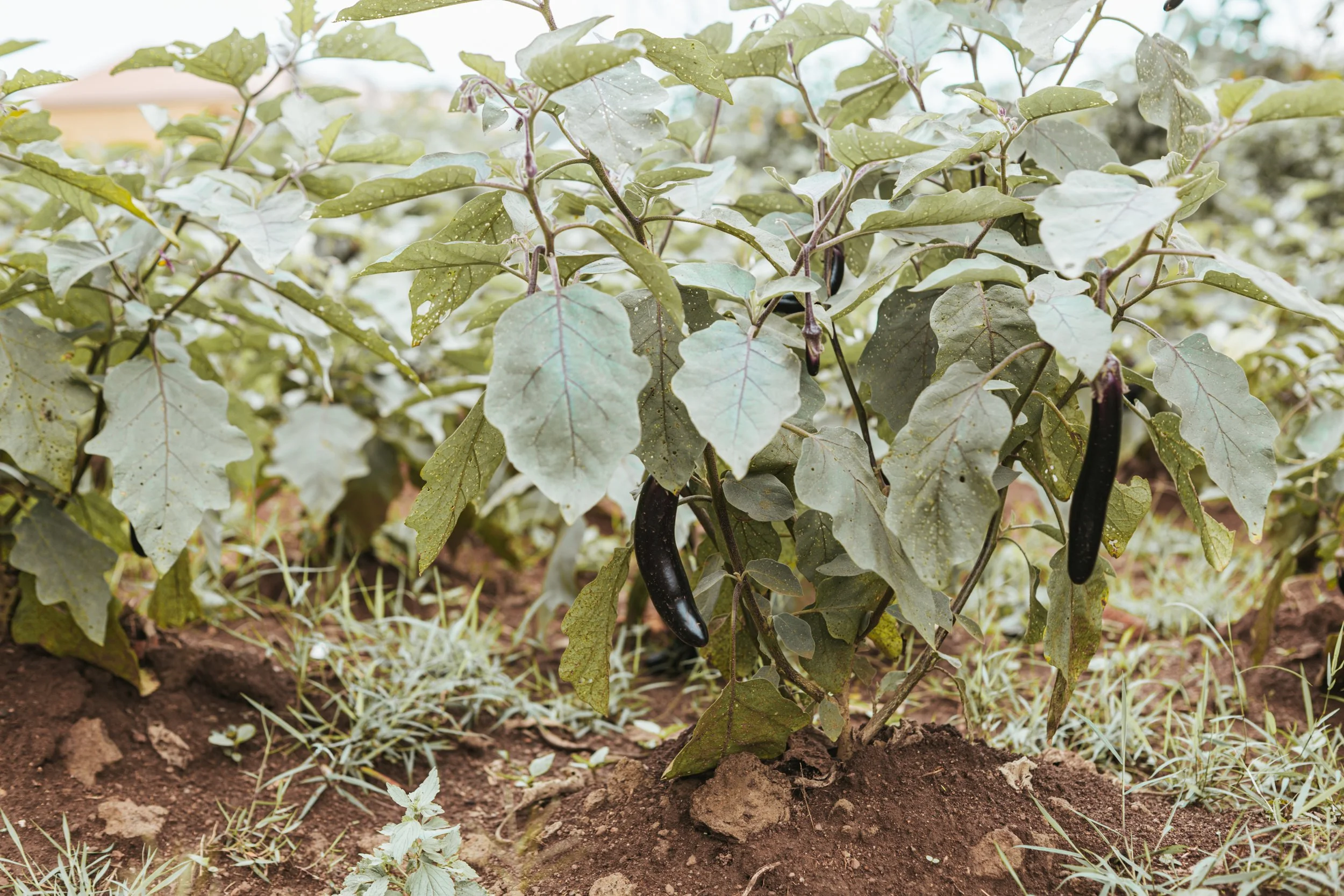
As part of P4T’s agricultural programme, learners grow aubergines and other crops on the secondary school grounds.
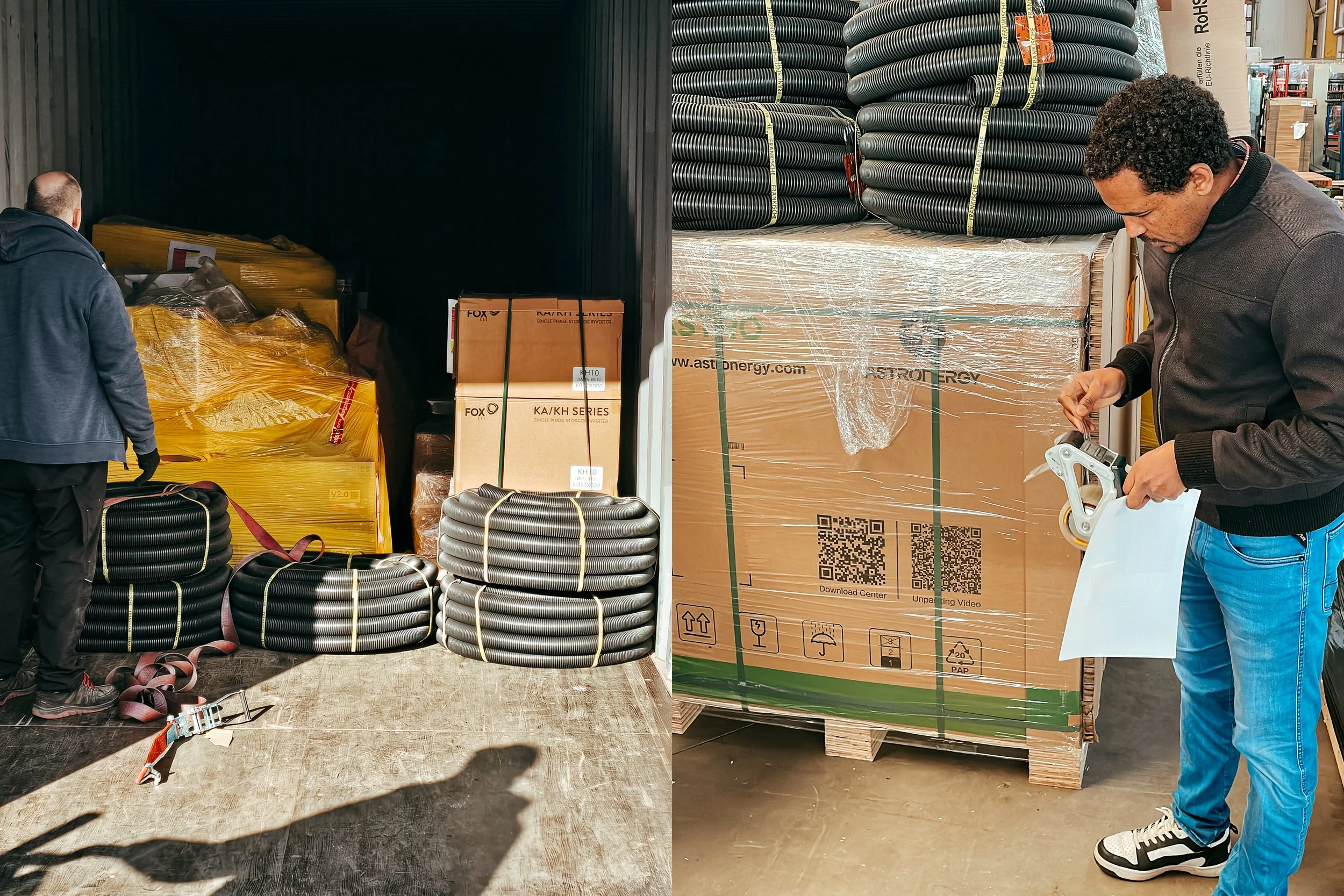
Back in Germany, our team loaded the solar panels for their journey to Uganda.
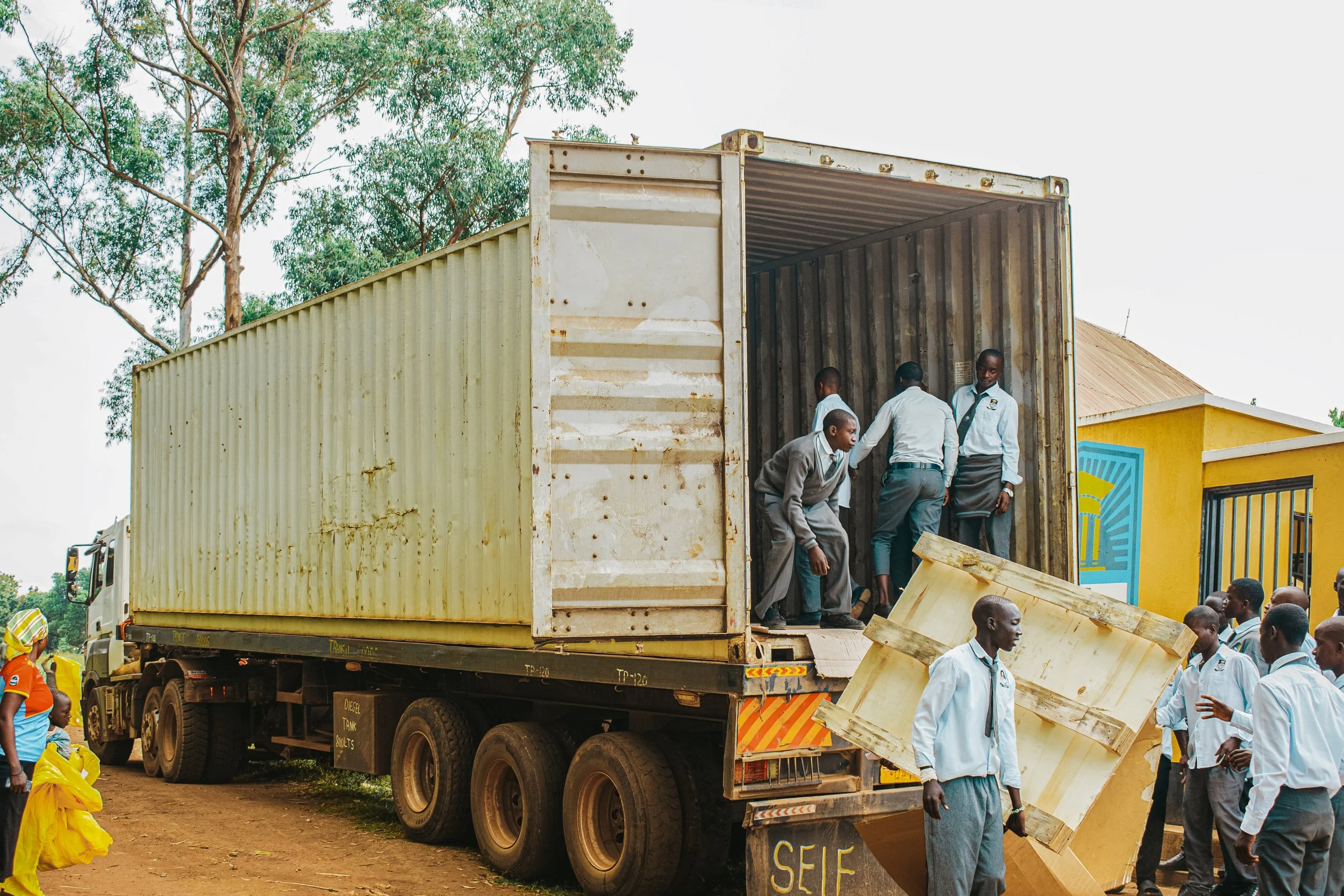
Arrival of the solar equipment.
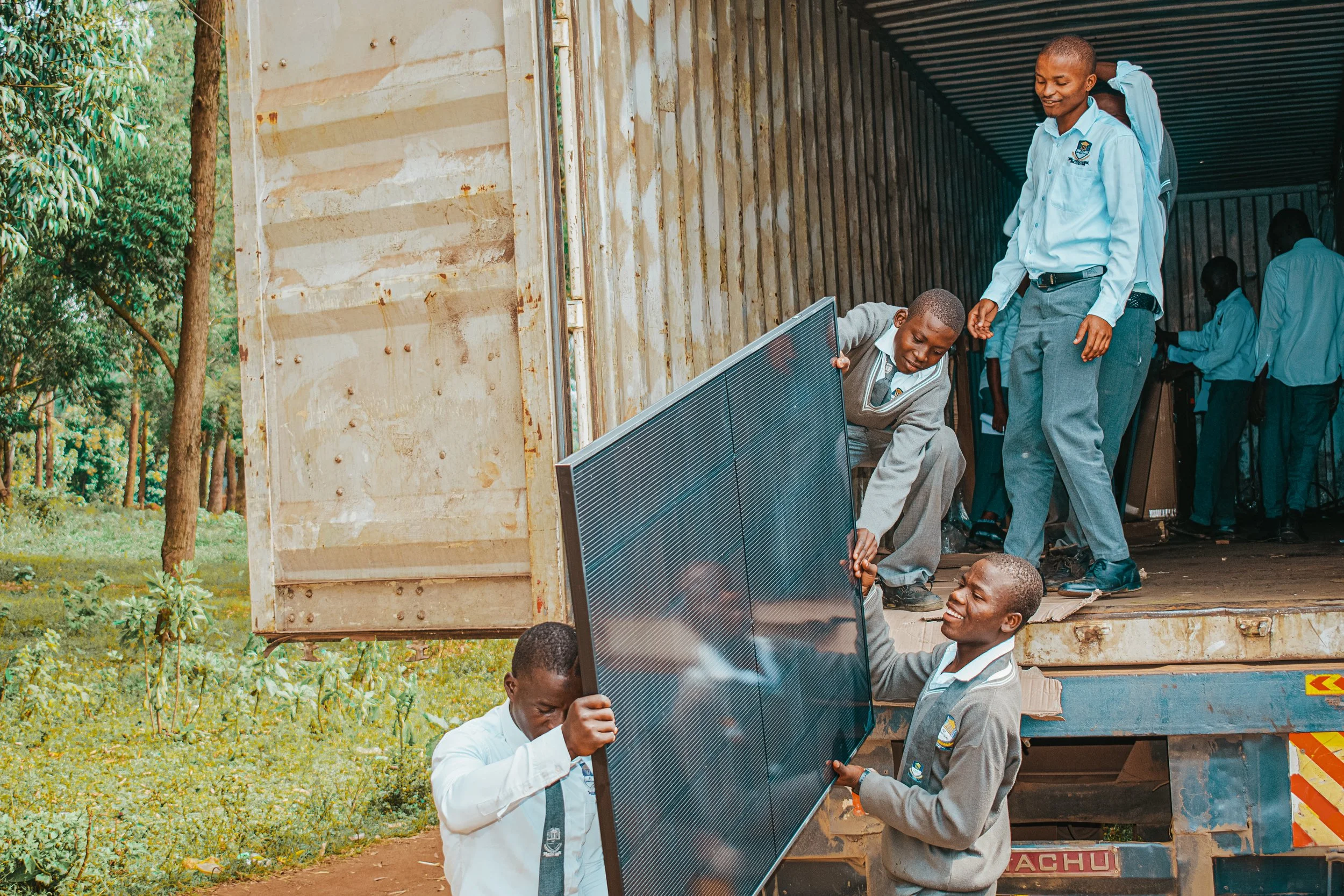
Learners stepped in to help carry the equipment onto the compound.
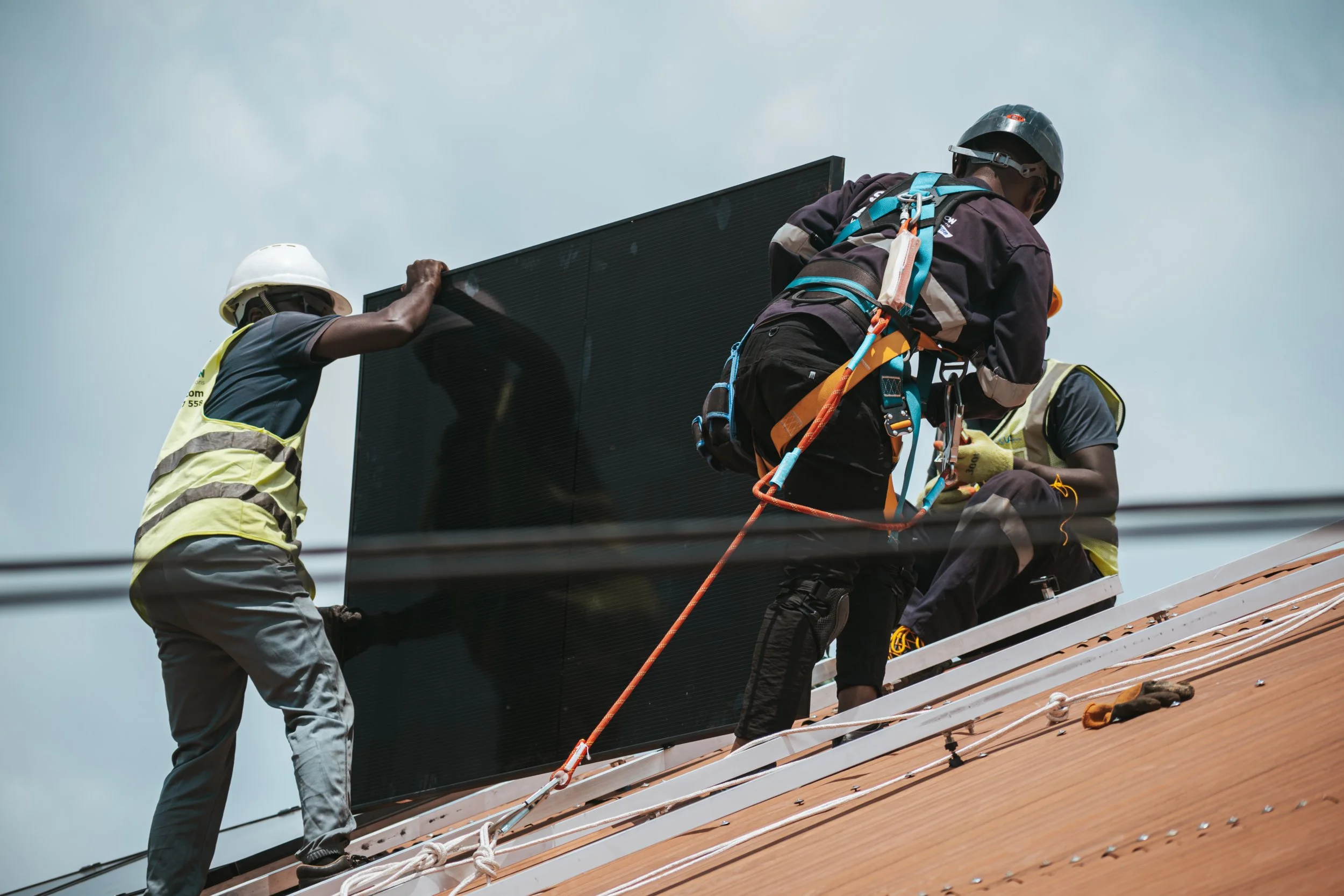
The Solar Energy Foundation Uganda team while installing the panels.
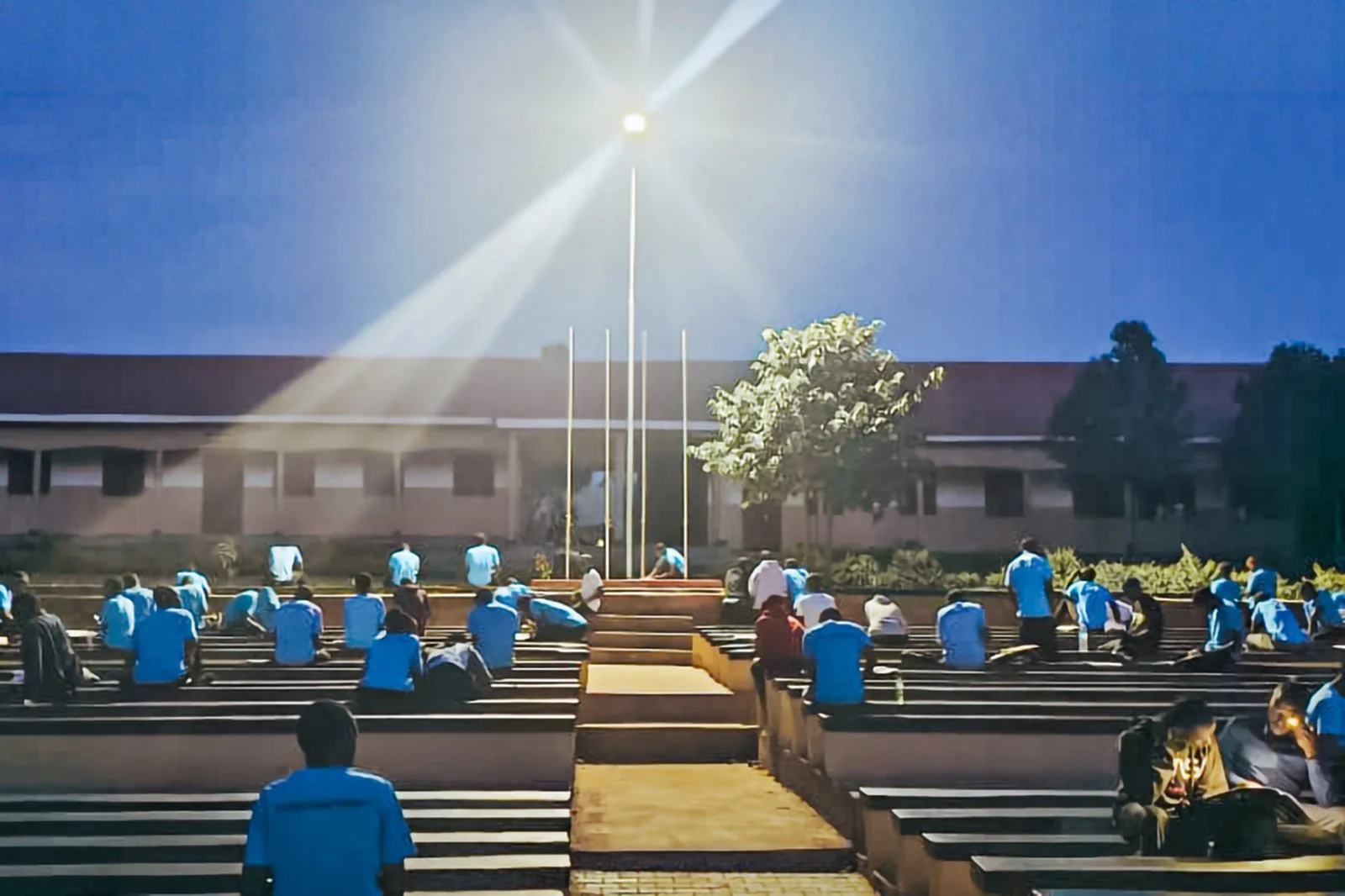
Partway through the installation, the power went out again, and students gathered around the only solar light on the compound to finish their homework. That was about to change.
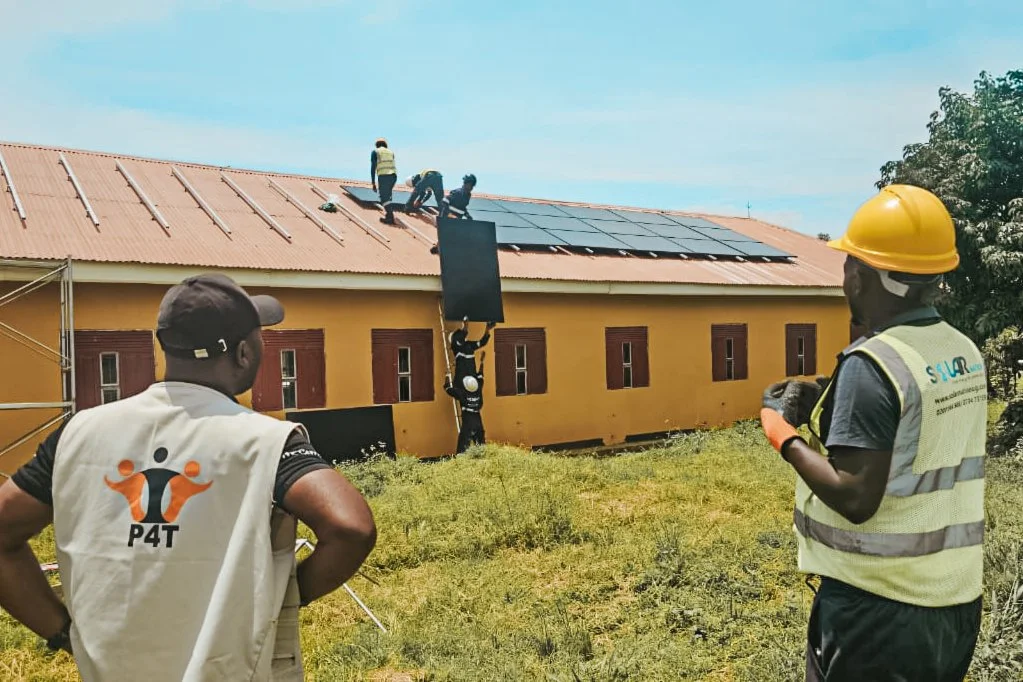
Johnam Kambasu, Finance Director at P4T, oversaw the installation together with Solar Energy Foundation Uganda.
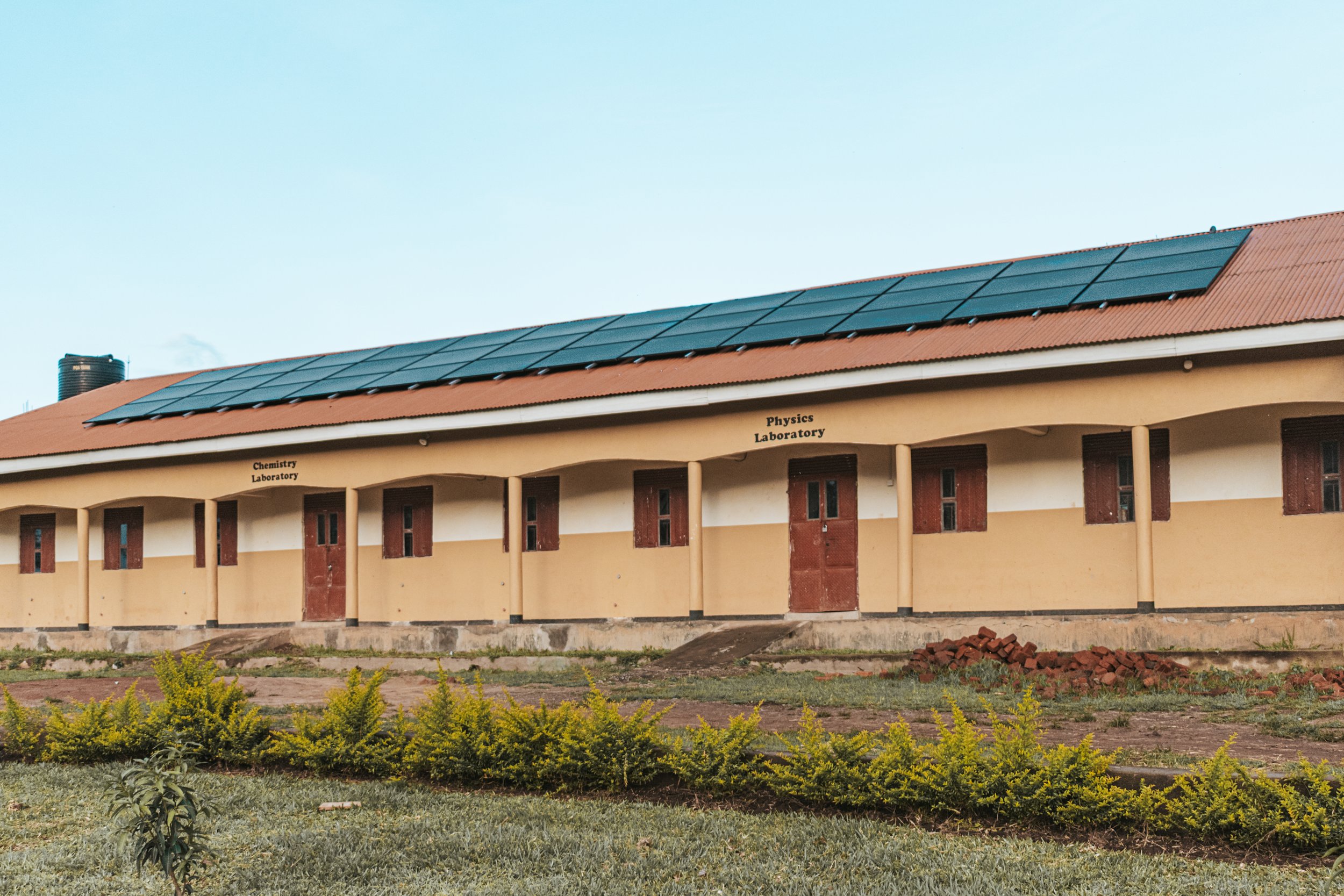
The Secondary school’s system stands complete.
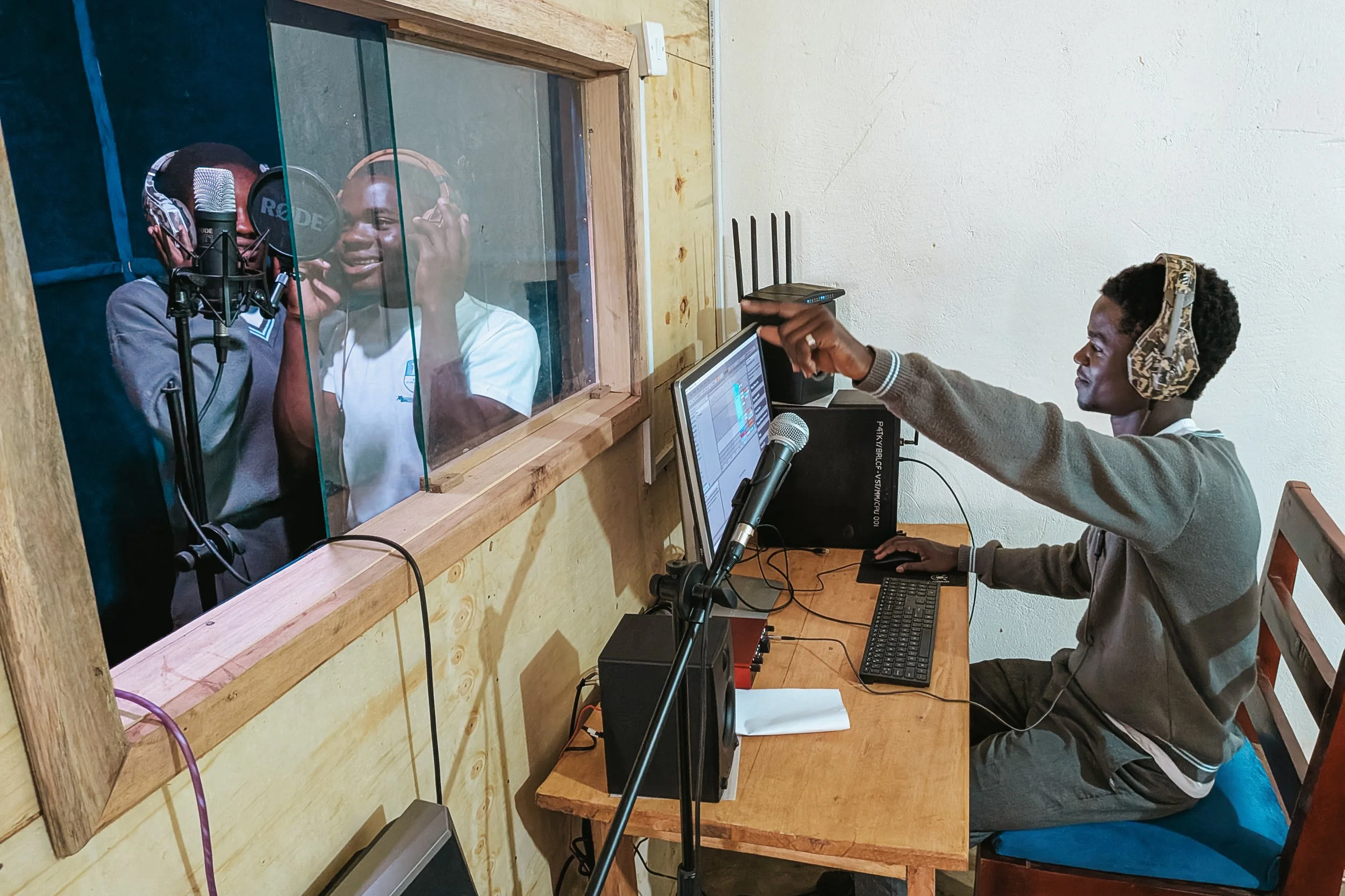
In P4T’s music studio, learners record and produce their own songs. Now they can create freely, without worrying that a power cut will halt or erase their work.
