

In North Lebanon, most schools rely on diesel generators, and fuel ranks among their heaviest running costs. When our solar project at Al Manhaj's school in Qalamoun came in under budget, we used the remaining €10,000 of the grant to bring solar power to a second school in need. Since mid-September, Elite School in Abou Samra, Tripoli, has therefore been able to run its classrooms on the sun. Until then, the school paid about USD 3,000 a month just to keep its generator running. In the system’s first month, that bill came to zero.
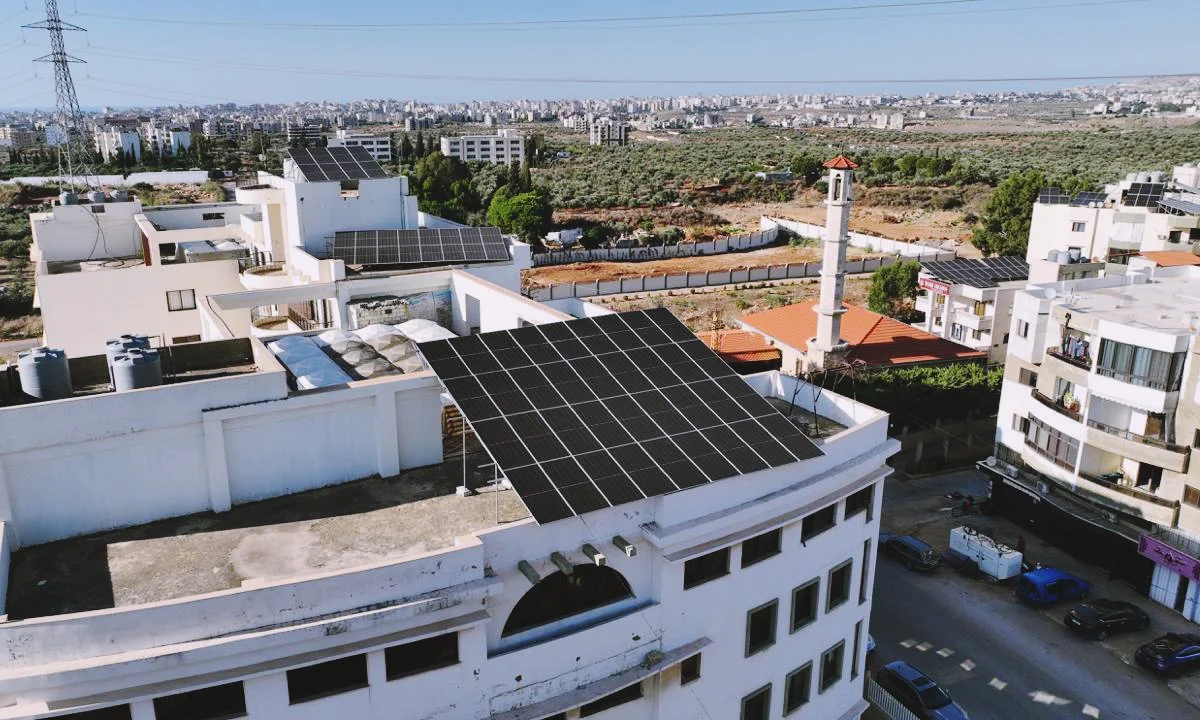
The solar system on Elite School faces south-east to ensure efficiency.
A grant that went further
Elite School is one of seven schools that Al Manhaj runs across North Lebanon. A long-time partner of ours, the organisation operates across education, healthcare, disability support and social welfare, with a particular focus on vulnerable communities that have limited access to essential services.
Solarspar originally funded the installation at Al Manhaj's school in Qalamoun, which we finalised last year. While that project took shape, however, the Lebanese solar market changed rapidly, and high-quality equipment became available locally at affordable prices. As a result, we adjusted our approach, and Qalamoun came in €10,000 under budget. Solarspar then agreed to redirect the remaining funds towards Elite School so the same grant could reach more students, while Al Manhaj covered the rest of the cost.
At Elite School, we took on the technical work from start to finish. Our team designed the system and sourced every component locally before planning the installation together with Al Manhaj. Z.S. Energy then completed the on-site work under Wassim Arraj’s leadership.
The system pairs 22.32 kWp of solar panels, spread across 95 square metres, with 30.72 kWh of battery storage.
The first month
Up until the installation, Elite School spent about USD 3,000 a month on generator fuel and maintenance. In its first month, it was reported that the generator stayed off completely, lowering all fuel costs to 0. The school still keeps the generator as a backup, though, as winter and prolonged cloudy days may call for it..
Inside the classrooms, the change primarily translates to more effective and reliable lesson plans. Teachers used to take turns with computers and projectors so the generator would not overload, and some activities were postponed for other days. Now around 500 of the school's 600 students attend two computer sessions every week, and teachers print worksheets whenever they need them. In other words, the school can finally make full use of equipment it already owns. In addition, the school has recently opened a vocational strand, where practical learning kits rely on steady power.
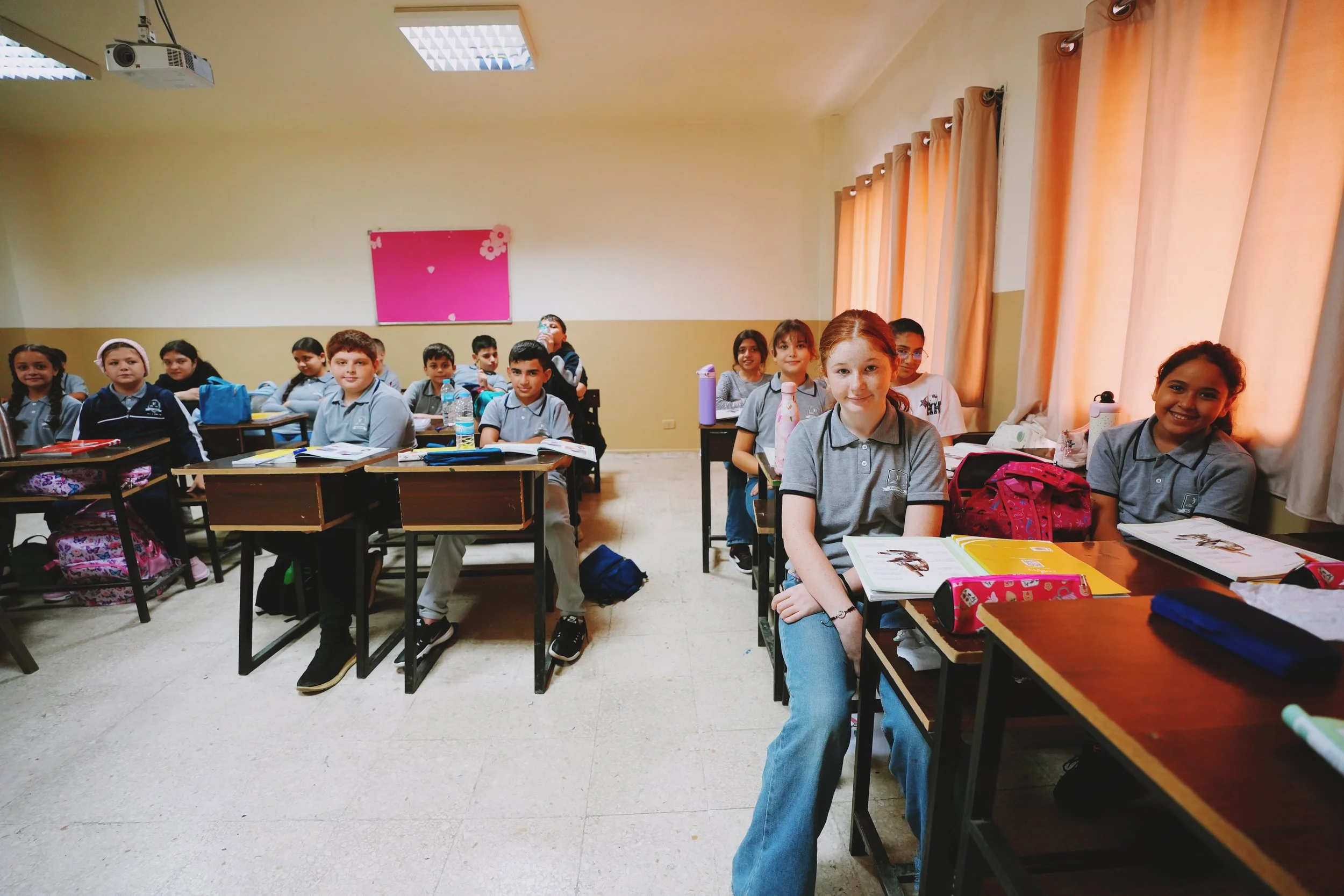
Students at Elite School in Tripoli now learn in classrooms with reliable light and power.
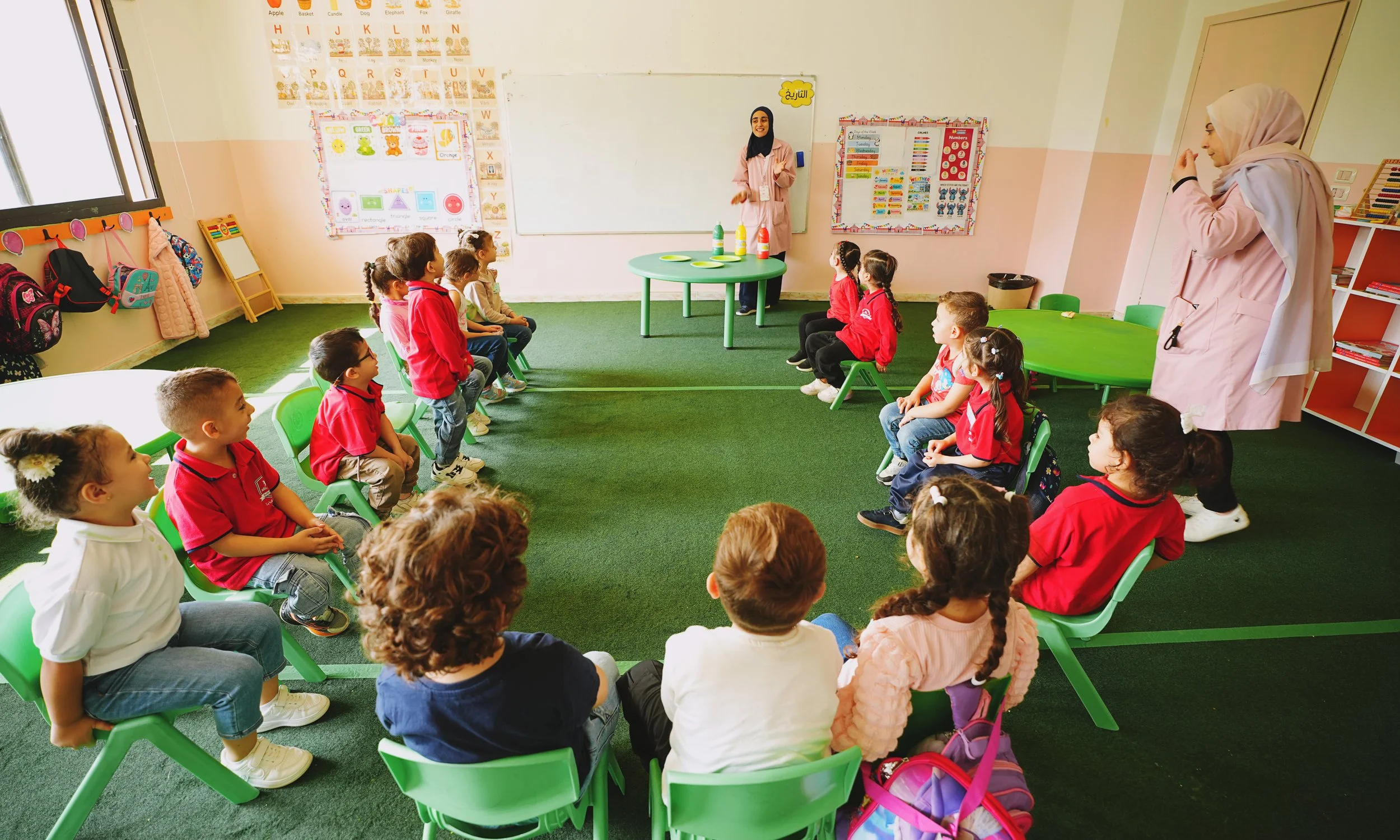
The youngest students follow their teacher closely during a morning lesson.
“This relief is particularly valuable as costs rise, families struggle with school expenses, and the school maintains its commitment to paying its team throughout the year. Your support is making a practical difference to the daily learning environment of 600 students.”
The school has put the first savings to work straight away. When the father of one outstanding student lost his job, the family could no longer afford school. Elite School now covers his full tuition and essential school costs, so he can stay in class with his friends. This autumn, 50 students did not return, mainly because their families could not meet tuition and transport costs, and the school hopes future savings will let more of them come back.
Meanwhile, Al Manhaj has requested quotes for robotics and science lab equipment. Preparations for a second teaching shift also begin in November, which could open the school to more students. Both plans will move forward in phases, as the budget allows. Over the next ten years, the system will also avoid 346.2 tonnes of CO2, and with the generator silent, the air around the school is already cleaner.
What comes next
The school will keep tracking the system through the winter and will plan further spending around what it actually saves.
Diesel still powers many schools and clinics, and every litre comes out of the budget for teaching and care. Whether you run these facilities or fund them, we can plan and source a solar system that fits, while your team keeps its focus on the people it serves.
Get in touch to see what solar could save you.
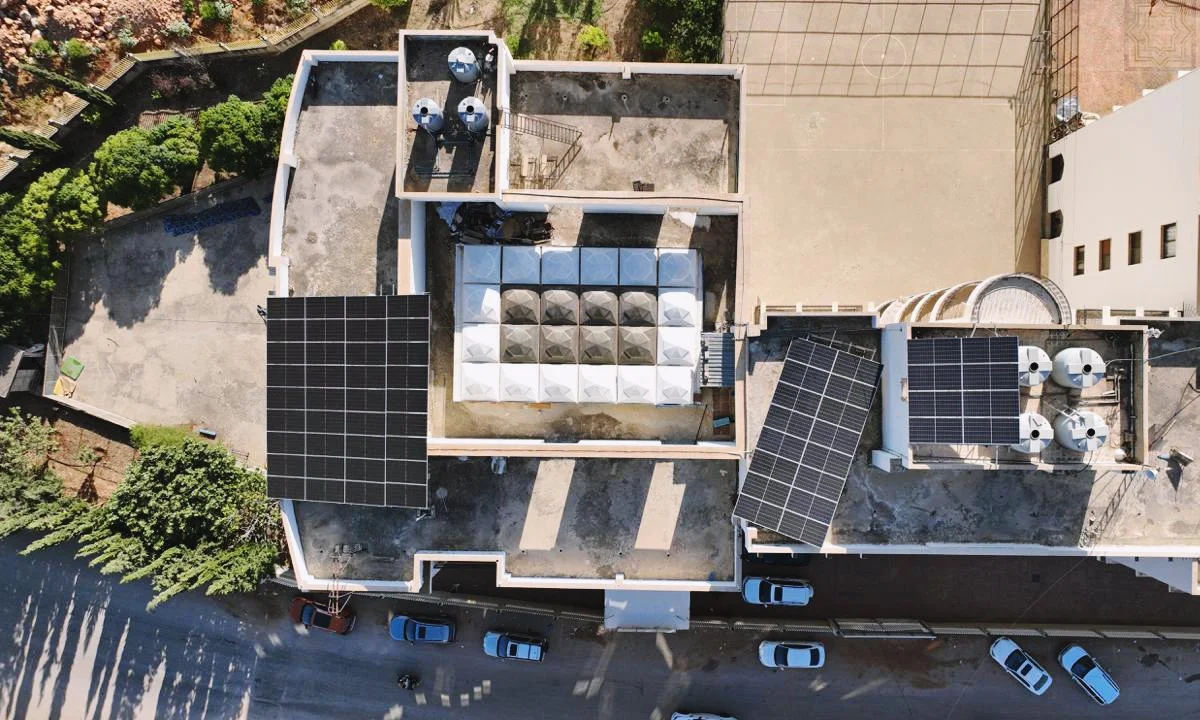
From above, the Elite School installation sits on the left side of a rooftop.
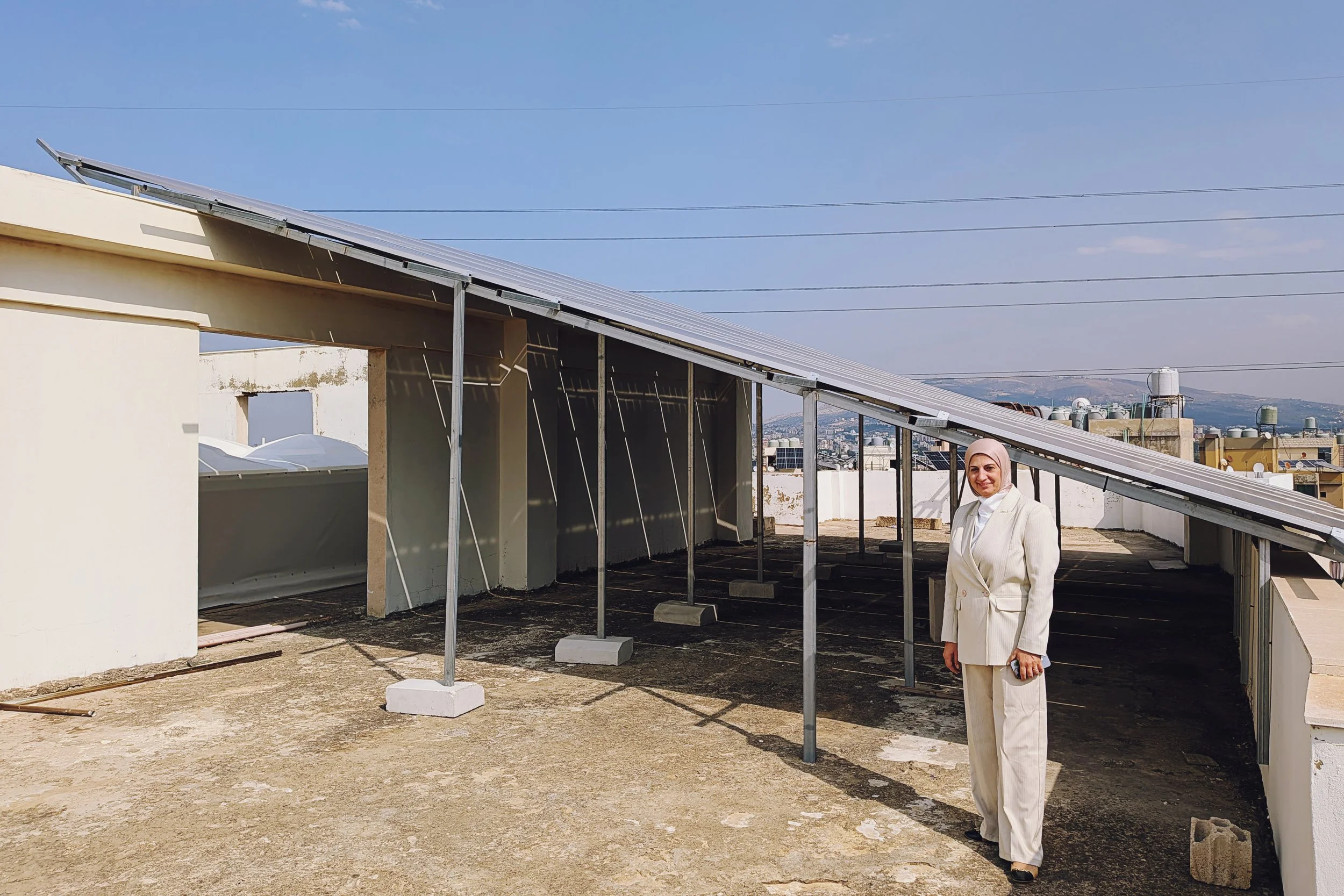
Elite School’s Principal stands beside the new solar installation on the school roof.

The power room holds the new inverter and battery tower, which keep the school running continuously.
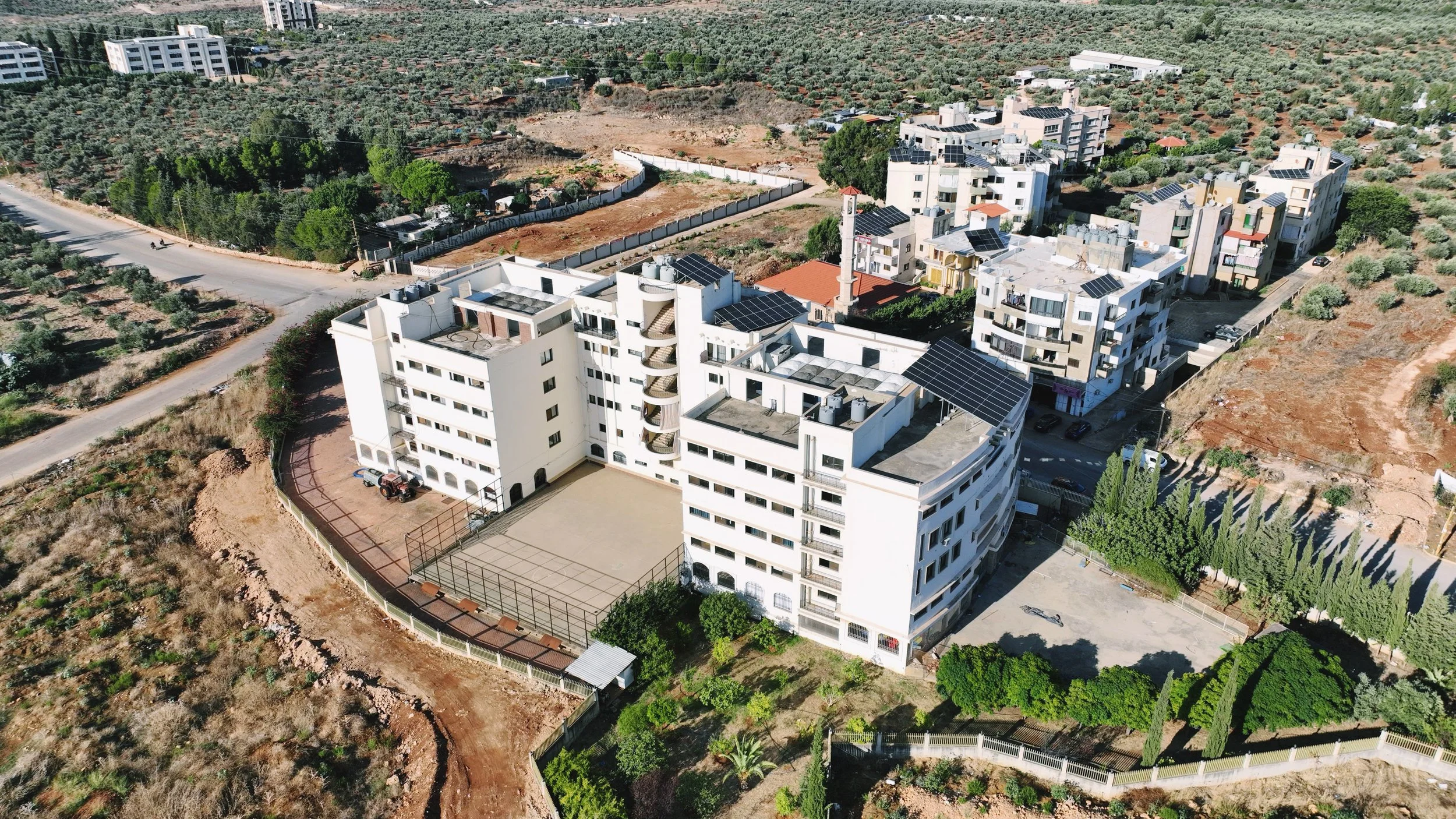
The solar system rises above Elite School’s roof, where 60 kg of ballast secures it against strong winds.
