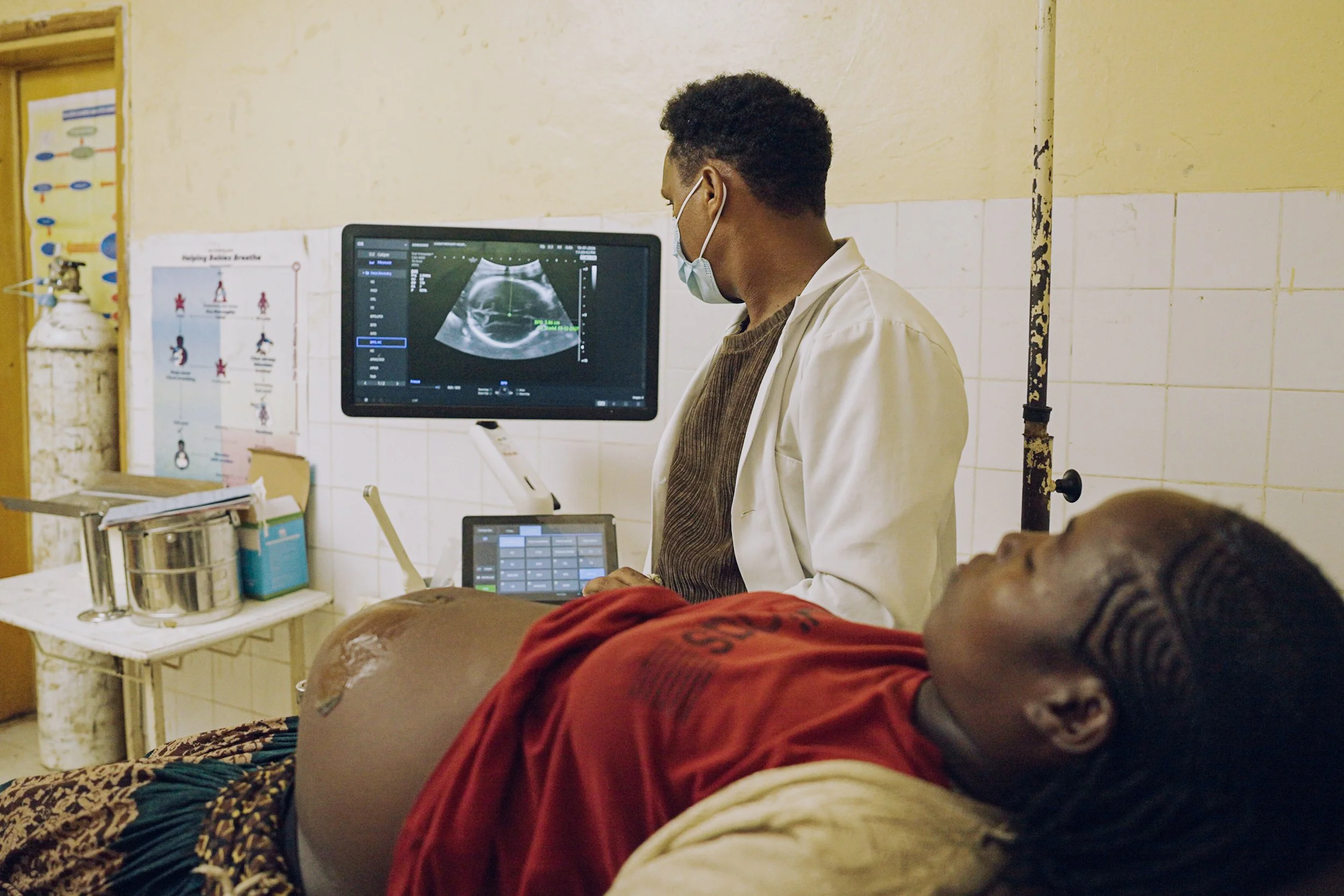
An expectant mother receives an ultrasound scan at Karat Primary Hospital, where solar power now keeps the hospital’s diagnostic equipment running.
Karat Primary Hospital in southern Ethiopia now runs on a 132 kWp solar and battery system that keeps its most vital services running, from the emergency room to the delivery room. Over the next decade, the switch is estimated to save around €365,000, money that can now go into patient care instead of fuel bills.
Aid Pioneers built the system together with ForAfrika, our local partner KDA, Solar Energy Foundation, E.ON Foundation and NextEnergy Foundation, while equipment partners such as Enpal and Eurotec helped bring the costs down. Thanks to a repayment plan based on diesel savings, Karat saves money from day one. At the same time, around €65,700 will flow back into the same fund to help power another hospital.
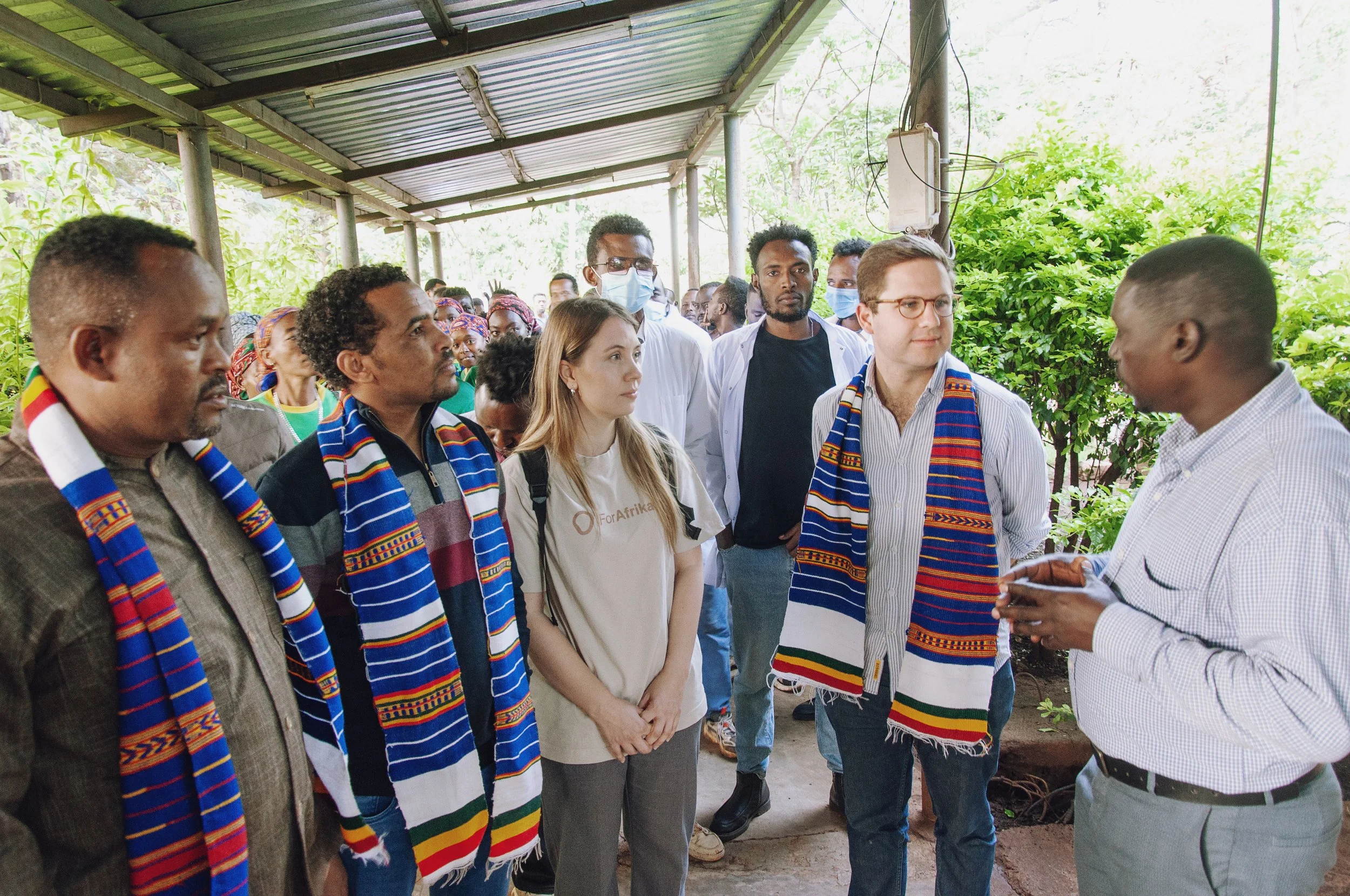
Visiting Karat Primary Hospital together with the ForAfrika team.
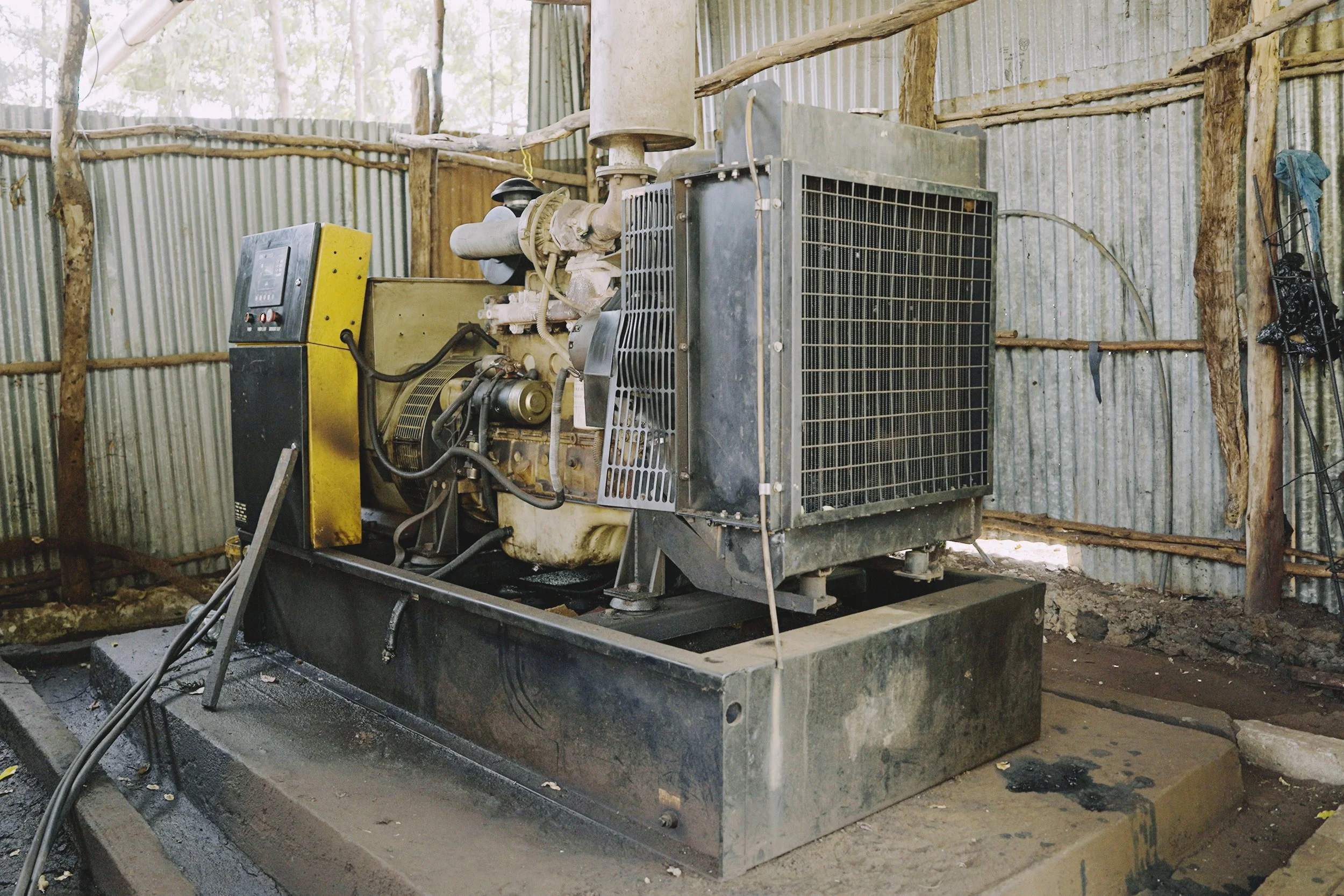
During power outages, the hospital relied on this diesel generator to keep the power on.
The consequences of unreliable energy
Karat Primary Hospital serves roughly 700,000 people in Ethiopia's Konso region. On an average day, its staff sees around 170 outpatients, 15 emergencies, 7 deliveries and 25 pregnancy consultations, while also admitting new patients to the wards and to intensive care. Over a month, that adds up to more than 7,000 patients.
Across sub-Saharan Africa, only about half of hospitals can count on a reliable electricity supply, and roughly one in seven health facilities has no electricity at all. Karat faced that same gap. Whenever the electricity dropped, sometimes for days at a time, the hospital lost power to its operating theatre and to much of its medical equipment, including the incubators that keep premature babies alive. During our visit in 2024, we learned that 27 newborns had died that year after their incubators lost power during outages.
For years, diesel generators offered the only fallback, although they came at a heavy price. According to the hospital’s own figures, Karat spent almost 4.7 million birr (about €25,600) a year on diesel, roughly the cost of 9,480 patient treatments. When conflicts abroad drove up fuel prices and disrupted supply, the pressure on the hospital grew even further. Dr. Addisu Jilo, the hospital’s medical director, also explained that the repeated interruptions damaged medical equipment that is costly to replace.
When outages disrupted care, staff sometimes had to refer patients to hospitals far from Konso. For the most critically ill, that long journey could carry serious risk of its own.
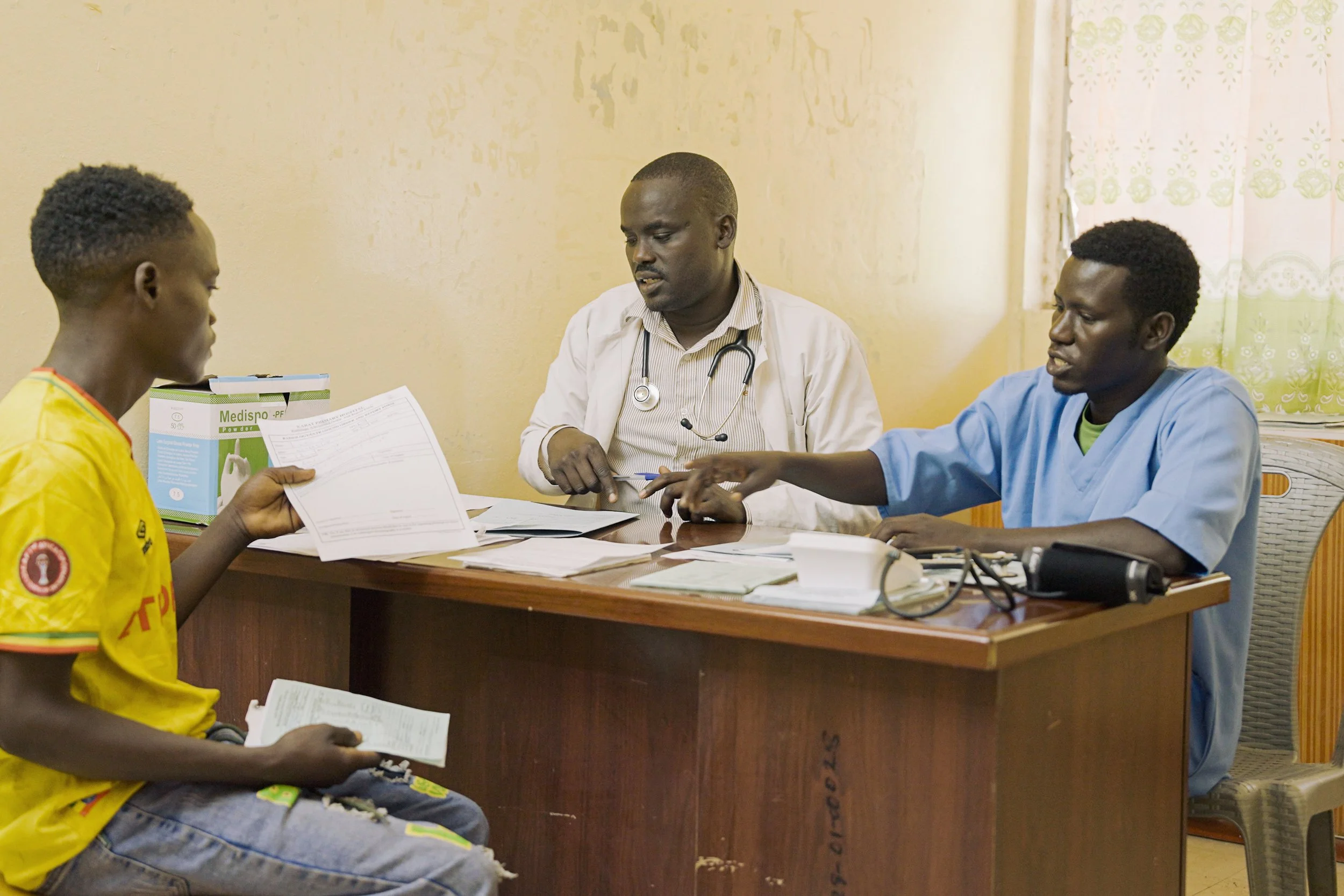
Pictured in the middle is Dr. Addisu Jilo, during a patient consultation.
How partners closed the funding gap
Hospitals like Karat rarely have the money to pay for solar upfront, since diesel already eats into their tight budgets. To close that gap, we brought together partners from the private and humanitarian sectors. By pooling funding, services and technical expertise, we could install the kind of high-quality system that a hospital of this size depends on.
Funding the system
The system cost €113,324. Most of the funding came from E.ON Foundation and NextEnergy Foundation, whose generosity laid the groundwork for the project. ForAfrika shared both the cost and the work, co-funding the system while leading implementation on the ground, and our Art for Ethiopia charity auction and individual donors added their support.
Combined with our Solar Fund, this made the financing possible. A fund created for exactly this type of project, that blends grants with a repayment model built around the hospital’s diesel savings. Over 36 months, Karat will pay back part of the system’s cost using money it no longer spends on fuel. Because those repayments stay below what the hospital saves, Karat comes out ahead from the very first month. Meanwhile, around €65,700 will flow back into the fund to help finance the next installation at a school or hospital caught in the same financial bind.
Bringing costs down
Through partnerships with Enpal and Eurotec, our team was able to procure and build the system at reduced cost. The components carry warranties of more than ten years, meaning the hospital can rely on them well into the next decade.
Navigating customs and logistics
Importing solar equipment into Ethiopia requires close attention to the country’s customs procedures, and the process can take considerable time and resources. Our logistics team handled shipping and clearance, working alongside ForAfrika and Konso Development Association (KDA), who coordinated the implementation on the ground.
Planning and installing
Our in-house engineers designed the 132 kWp system, and oversaw the installation while our partner Solar Energy Foundation carried out the work on site. The system pairs 288 solar panels with two 50 kW inverters and two 61.44 kWh batteries, which store energy so that critical rooms can keep running after sunset or during an outage.
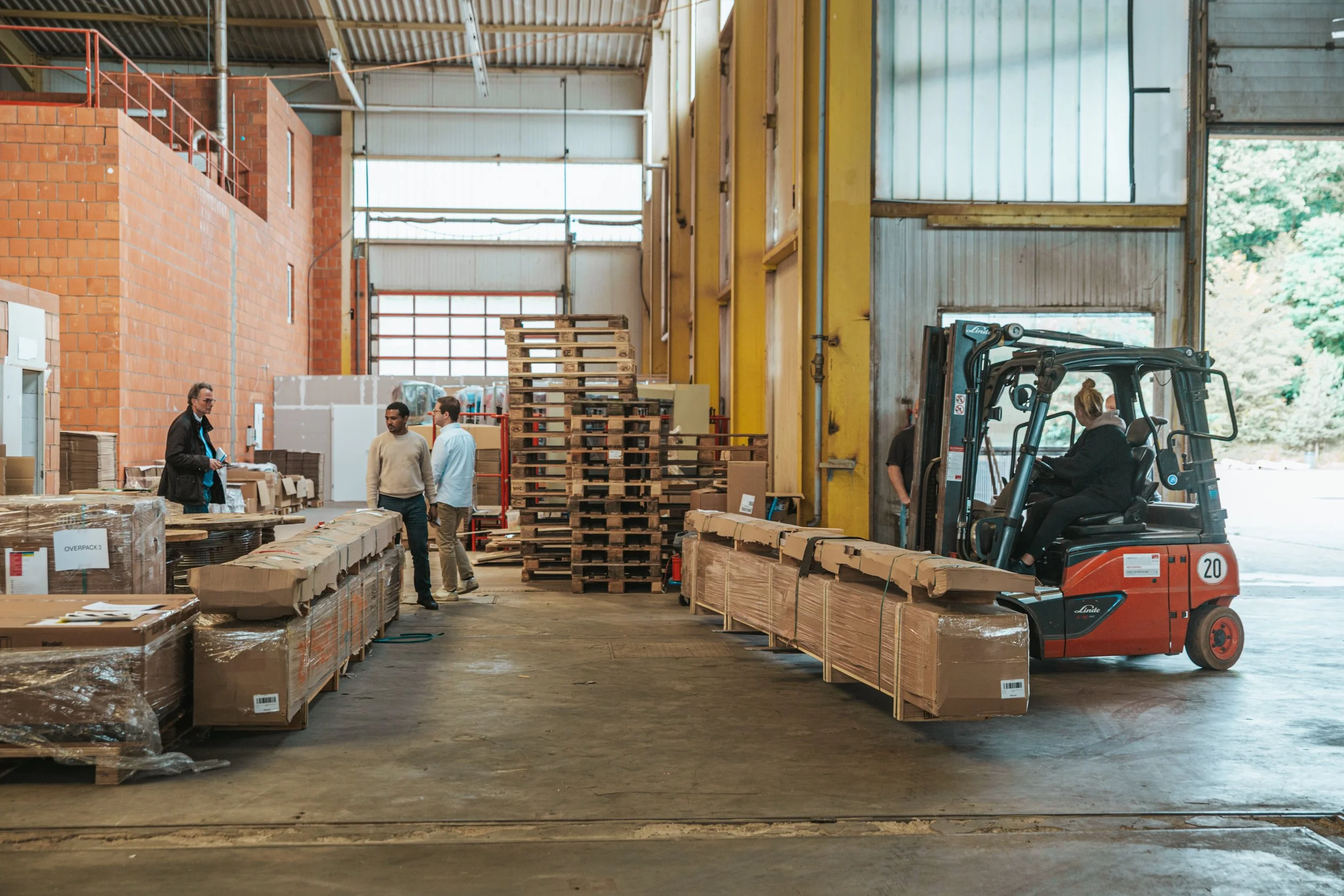
Aid Pioneers team members load the 288 solar panels and installation components in Bad Freienwalde, Germany.
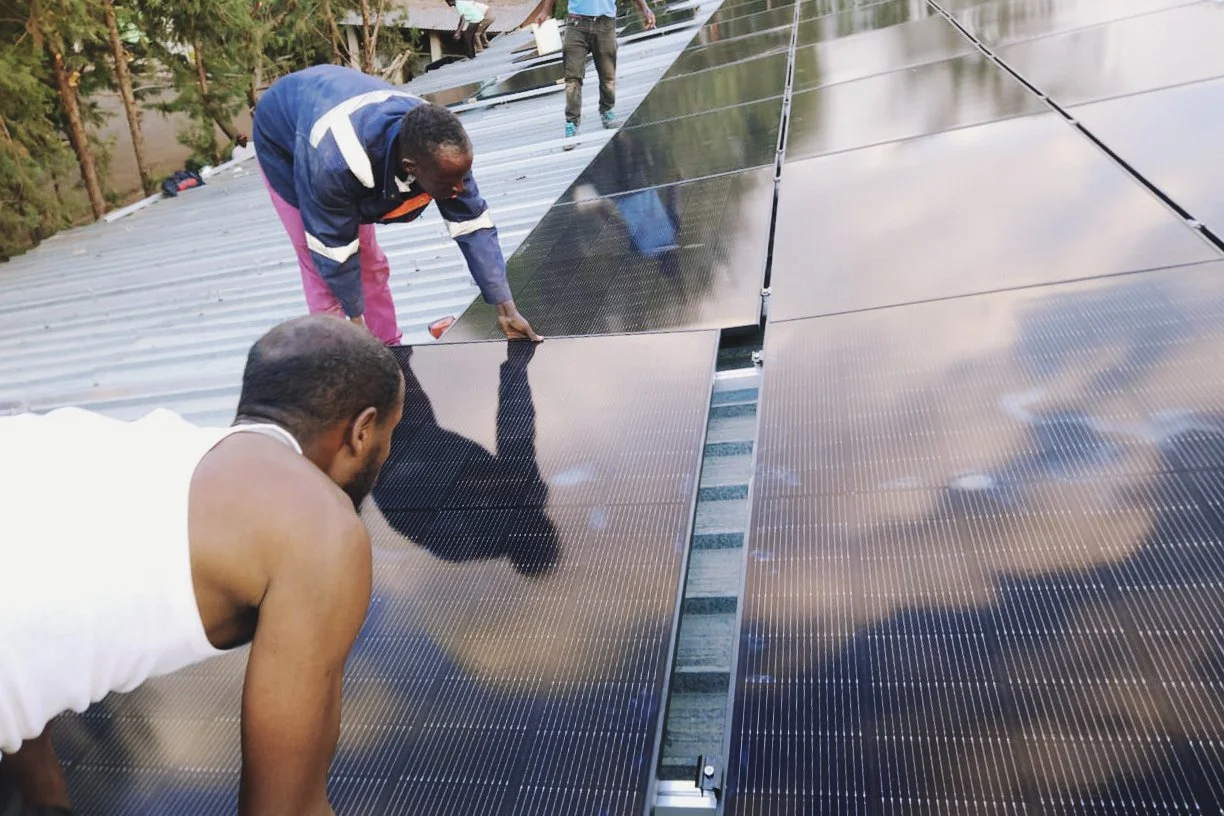
Technicians from Solar Energy Foundation install solar panels on the hospital.
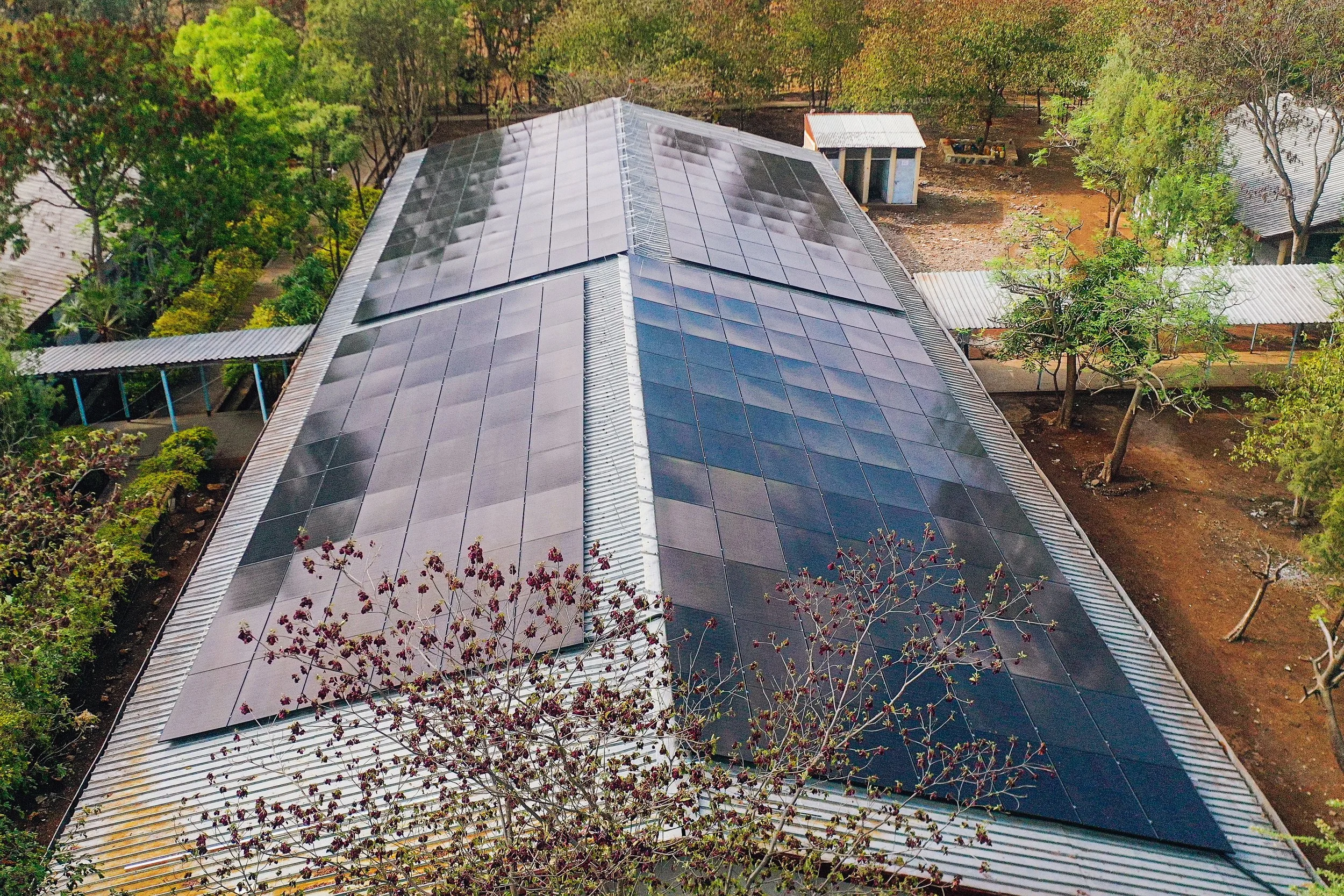
With the last panel in place, the installation now runs the length of the hospital’s roof.
What changes now
Since the system went live on August 12th, the hospital has cut its diesel consumption by 80%, and over a full year the panels should generate around 181 MWh of electricity. That power now reaches the rooms where an outage puts lives most at risk. The emergency room, delivery room, operating theatre and intensive care unit all run on solar, along with X-ray and outpatient care, so these departments keep working even during an interruption in supply.
For Dr. Jilo, the difference matters most for the patients who have the least margin. “The hospital serves very critical patients who need close follow-up as well as a continuous power supply to maintain their life,” he said. “There are newborns as well as paediatric age groups, and mothers, who depend on this power for their survival … So the installation will help these lives to be saved.”
Solar cuts the hospital's electricity cost per kilowatt-hour by about 57 percent. Over the next ten years, the system is estimated to save roughly €365,000, and the hospital can direct that money back into patient care.
For the many families who depend on Karat, steady power means they can receive care close to home instead of making a long journey to a distant facility. It also protects the hospital’s equipment. When power surges back after a blackout, it can damage costly devices, while every break in the cold chain can spoil vaccines that patients urgently need.
With reliable power in place, we are now preparing a shipment of medical supplies and equipment with ForAfrika to strengthen the hospital further. That way, its staff have both the energy and the tools they need to care for thousands of patients.
What this could mean for your work
The framework behind Karat can work wherever blackouts and diesel bills stand between patients and care. Our in-house engineers design and install solar systems while our supplier network keeps equipment costs low. Our team also handles customs and logistics in complex import environments, while the Solar Fund makes the upfront investment manageable through blended financing.
The project came together because many people chose to share the work and the care it required. If a facility in your network needs reliable power, we would love to hear from you.
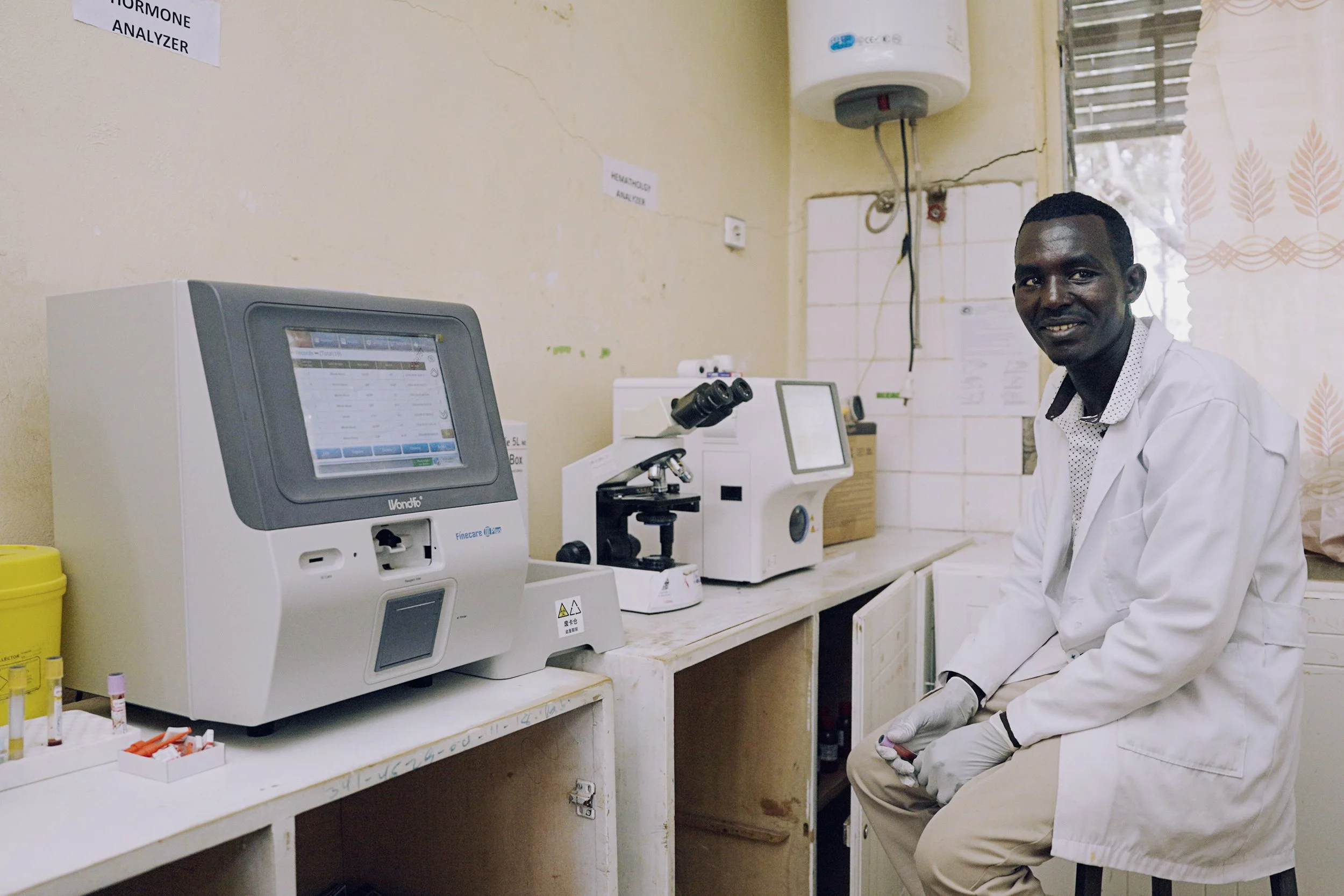
Staff in the clinical laboratory can now run tests without interruption.
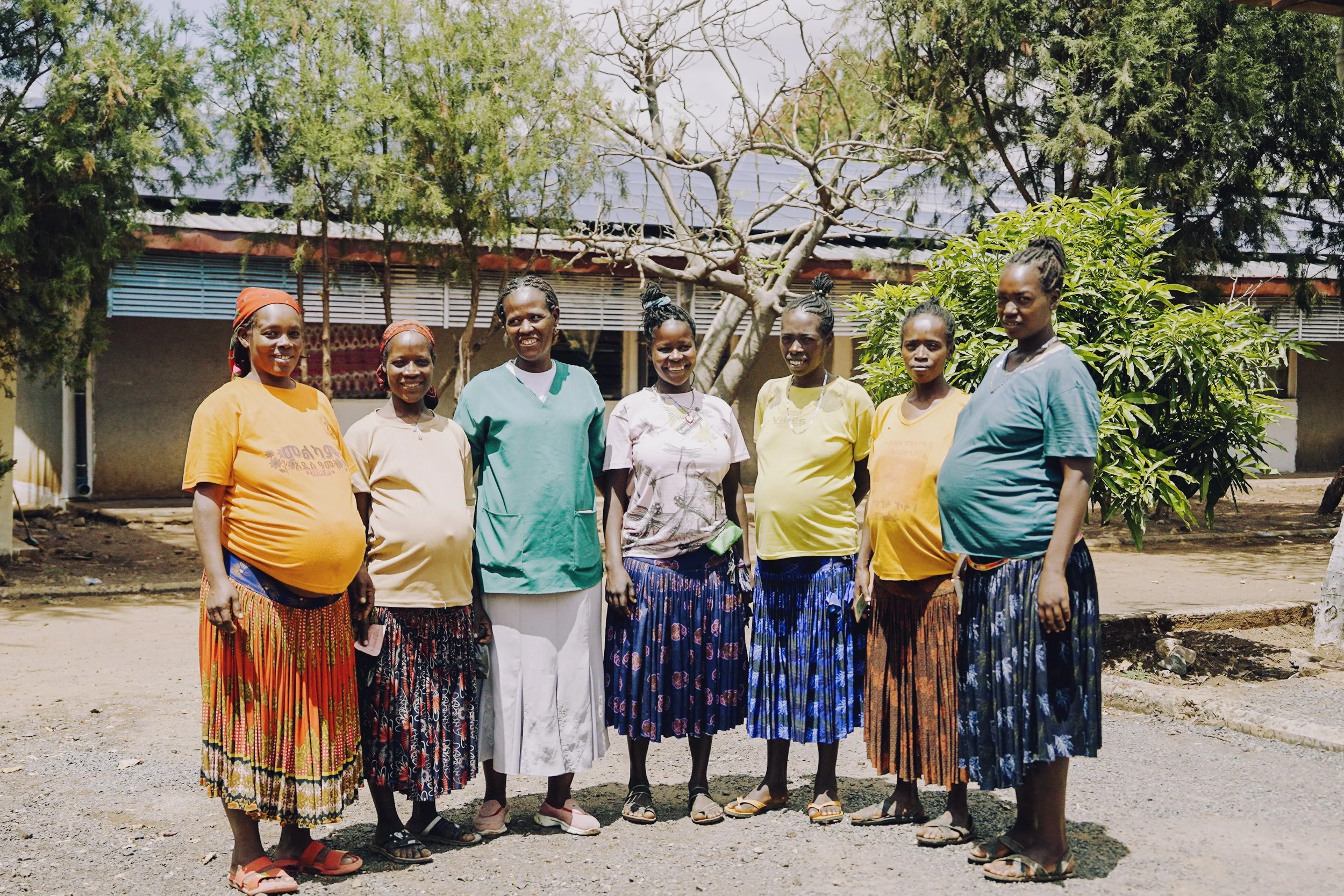
Expectant mothers who receive antenatal care at the hospital pose with one of their nurses.
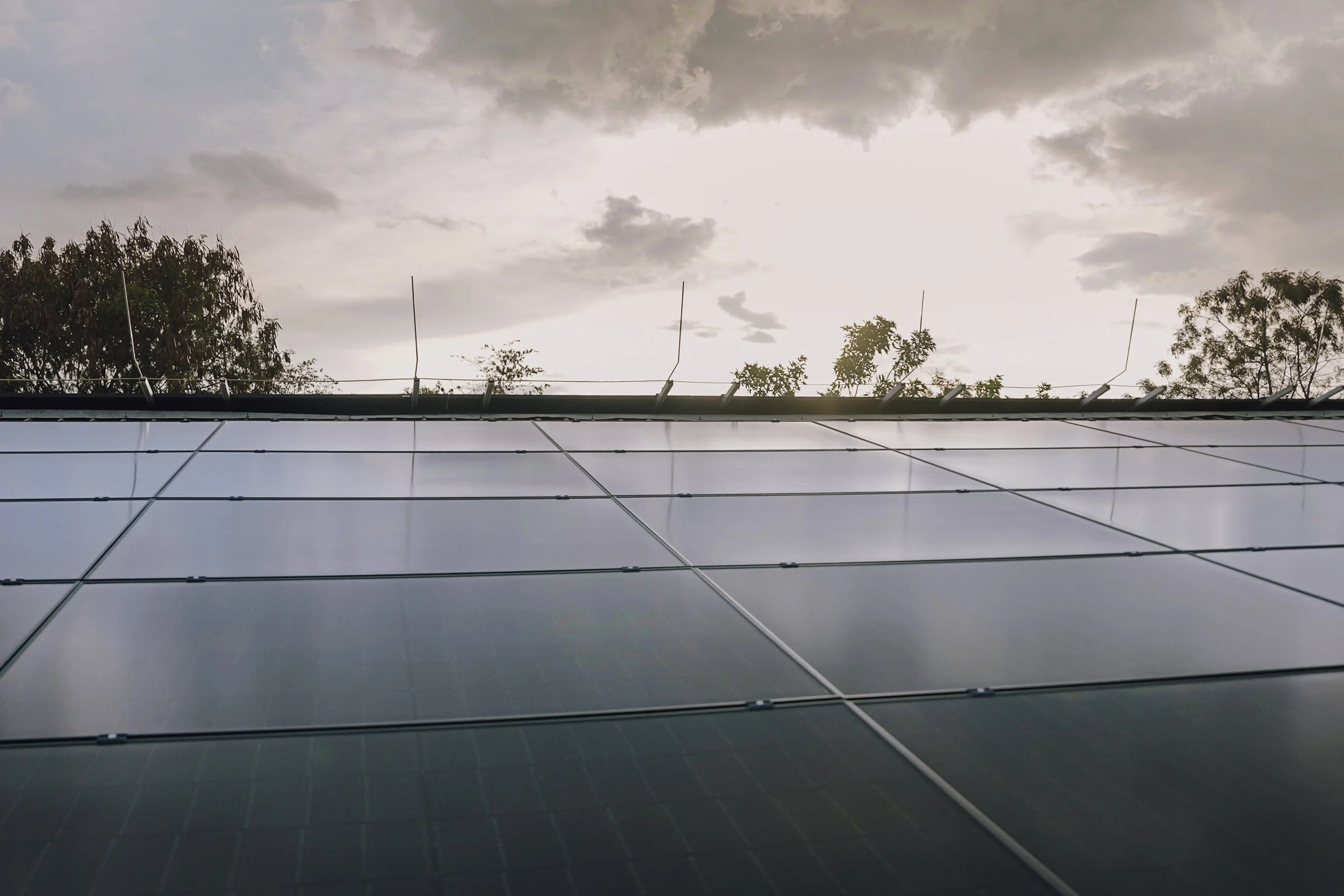
The installation uses bifacial monocrystalline solar panels backed by a 25-year warranty, ensuring high performance for years to come.
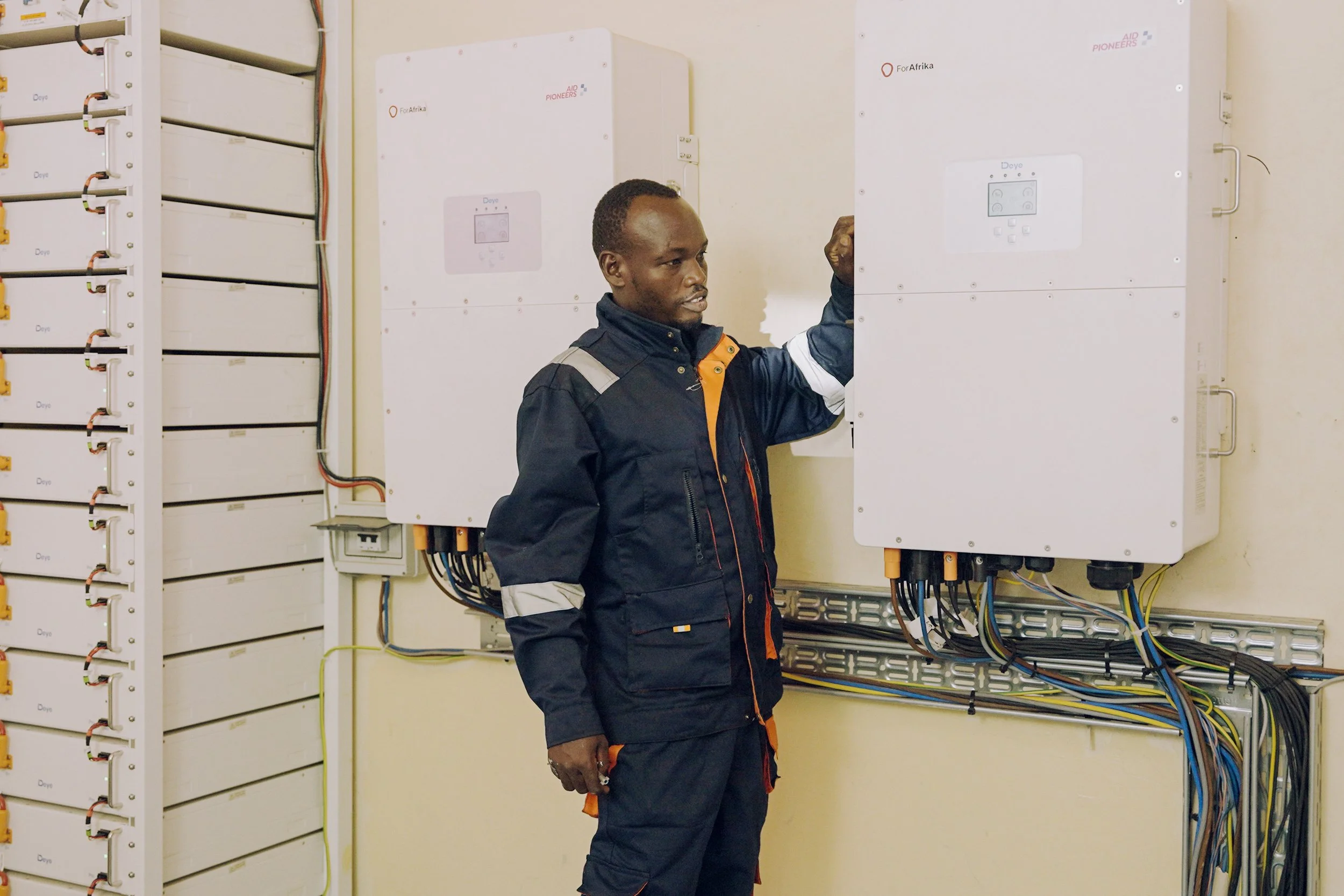
Batteries and inverters in the hospital’s power room.
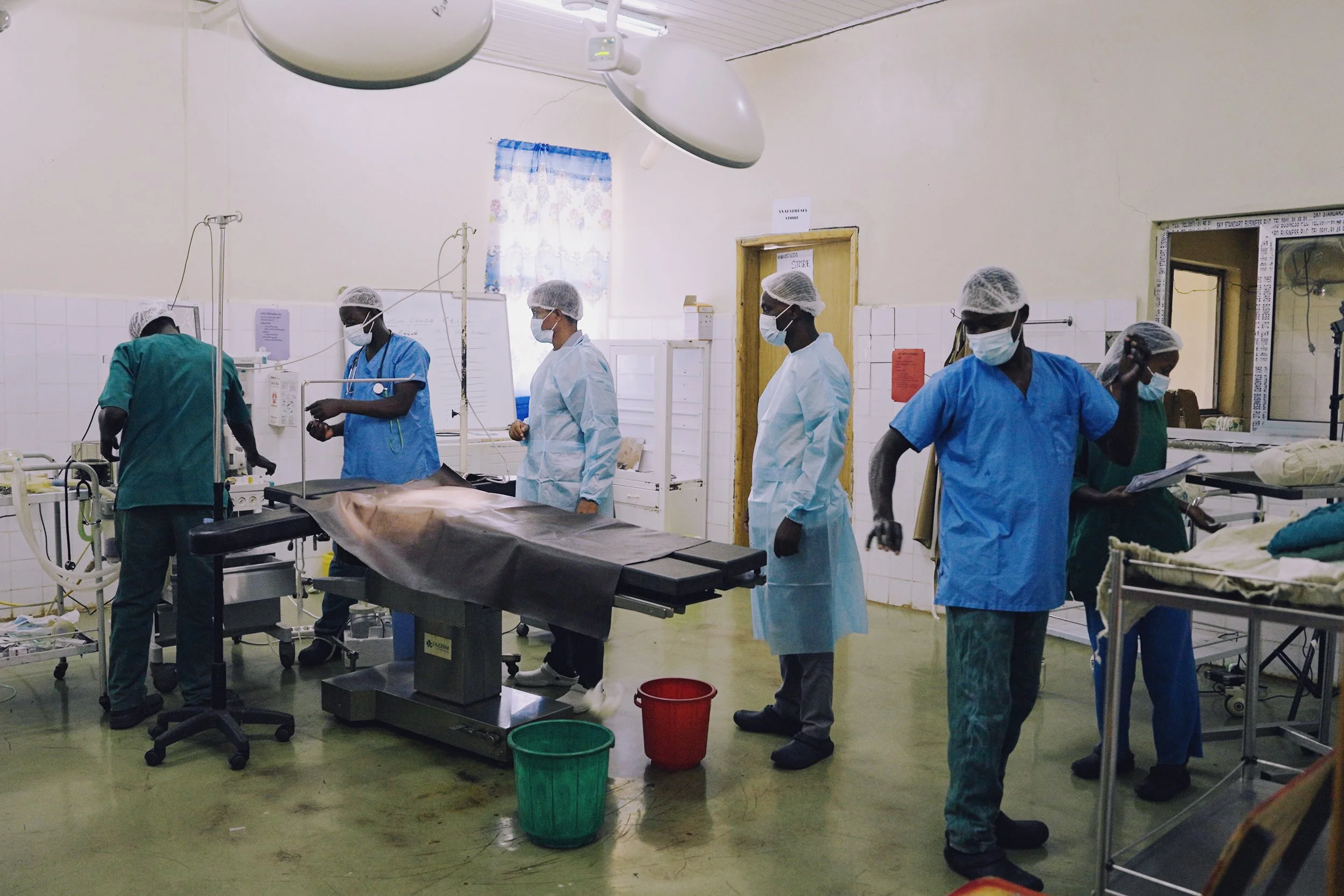
A reliable supply of solar electricity allows surgical staff to operate safely, even when the grid goes down.
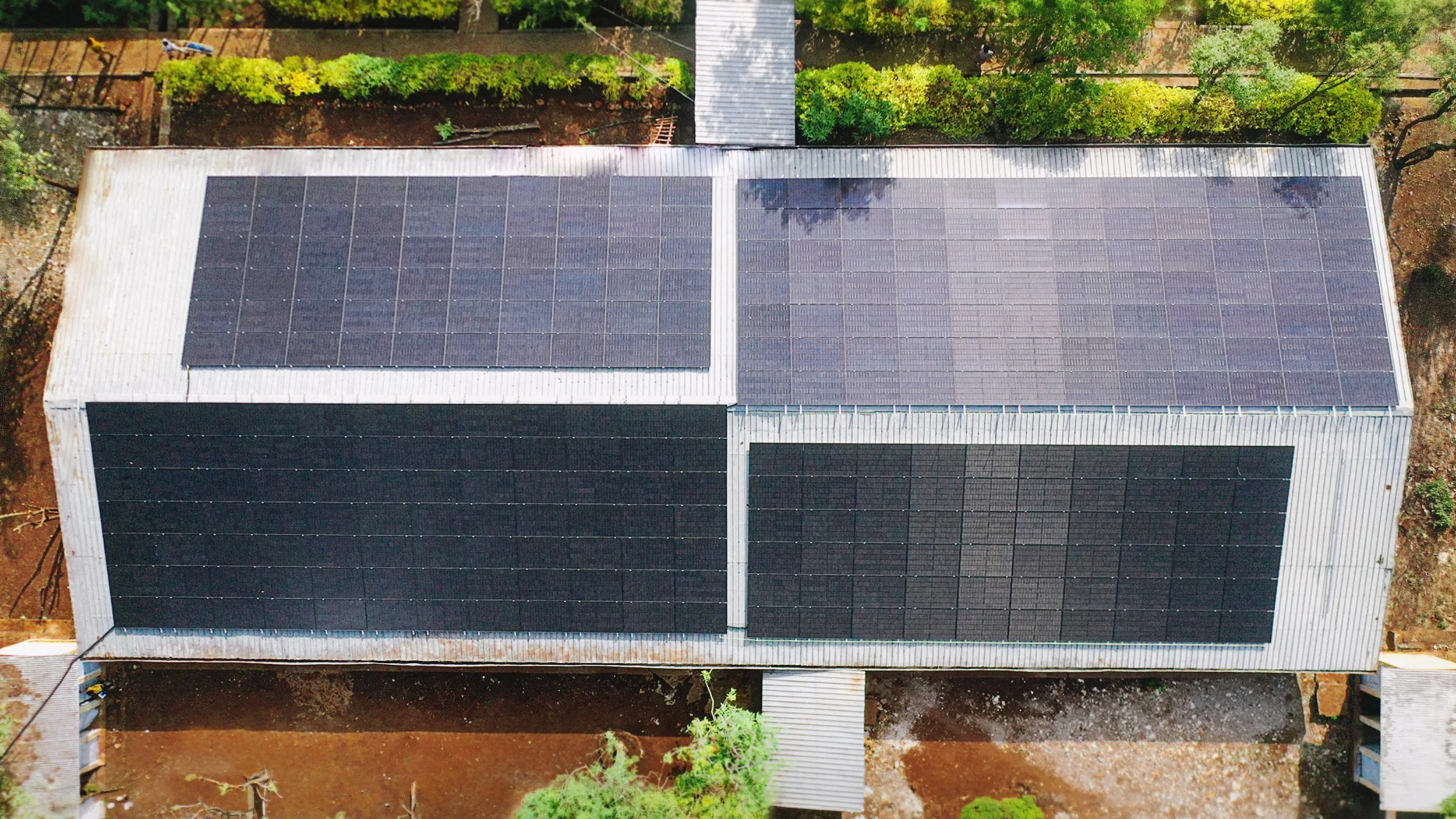
The solar panels on Karat Primary Hospital’s roof now power the wards below them.
