Uganda
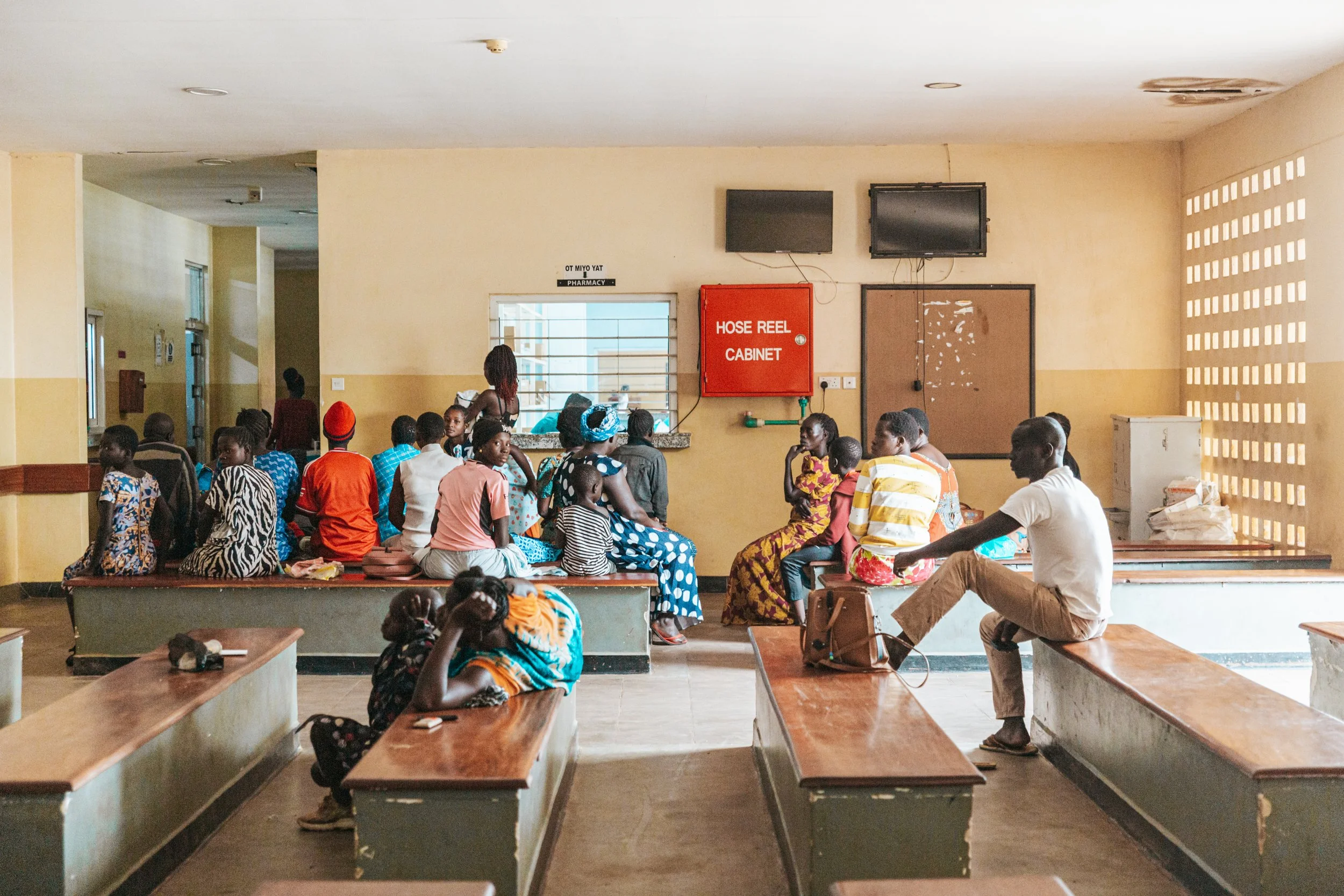
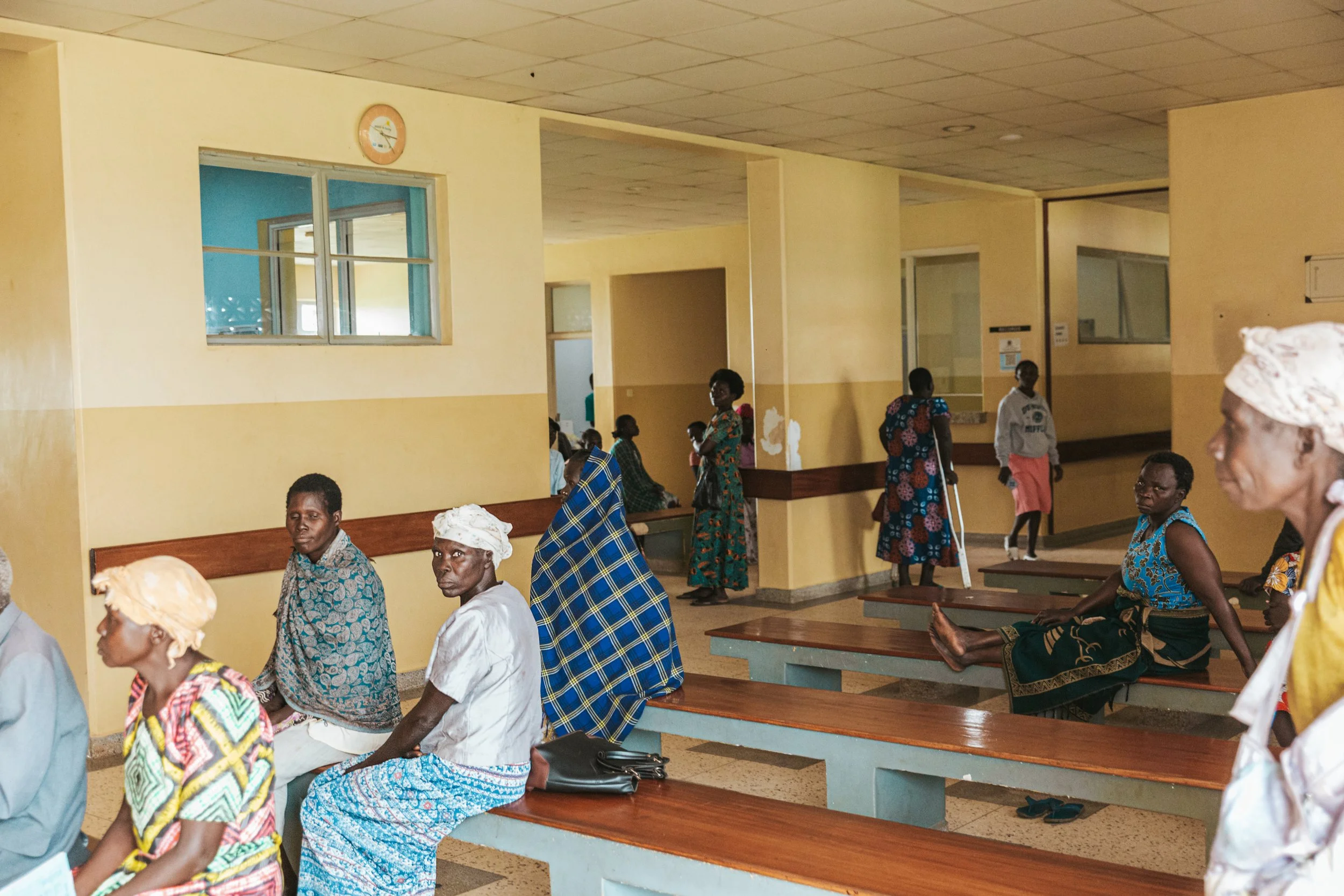
Waiting room at Anaka Primary Hospital
Why does Uganda need our support?
Uganda carries one of the heaviest humanitarian loads in Africa.
The country is home to nearly two million refugees and asylum seekers who have fled conflict in South Sudan, the Democratic Republic of Congo, and Sudan, more than any other nation on the continent. It absorbs that displacement on top of its own strained systems, a strain deepened as funding for the refugee response has fallen so far that aid agencies can now cover only a fraction of what each person needs to survive each month. Millions of Ugandan children remain out of school, and recurring disease outbreaks continue to test a health system already stretched thin.
-
Uganda hosts more refugees than any other country in Africa, most fleeing conflict in South Sudan, the Democratic Republic of Congo, and Sudan. As donor funding has fallen, only a small share of the monthly support refugees need are covered, and rising malnutrition and school dropout have followed close behind.
-
Uganda declared Ebola outbreaks in January 2025 and again in 2026, on top of a 2024 mpox outbreak that infected more than 2,000 people. Each outbreak pulls medical staff, equipment, and funding away from routine care, leaving the health system less prepared for whatever comes next.
-
Just over half of Uganda's population has access to electricity, and that share falls further outside the capital. Rural hospitals and schools often run without reliable power, which puts vaccine storage, emergency care, and basic services at constant risk.
-
The East African Crude Oil Pipeline, now more than 80 percent complete and due to begin exports in October 2026, cuts through the Lake Albert and Lake Victoria basins. It has displaced farming and fishing communities and drawn documented concern from human rights monitors over delayed compensation and the treatment of local activists.
WHY IT MATTERS
2.4 M
people in Uganda, including 1.6 million children, need access to essential services such as water, sanitation, health, nutrition and education. (Source)
55.3%
of Uganda's population had access to electricity in 2024. Outside Kampala, the figure drops sharply in the rural districts, where the schools and health centers that entire communities depend on often operate without reliable power. (Source)
1.7 M
refugees and asylum seekers are hosted in Uganda, the largest refugee hosting country in Africa and among the top six worldwide. 80% of refugee health and education services depend on external funding, which has declined in recent years. (Source)
WHAT WE DO
How we support
Aid Pioneers works with Ugandan and international partners to install solar power in hospitals and schools, replacing diesel that drains their budgets and ensures a reliable supply of clean energy when the grid is unpredictable.
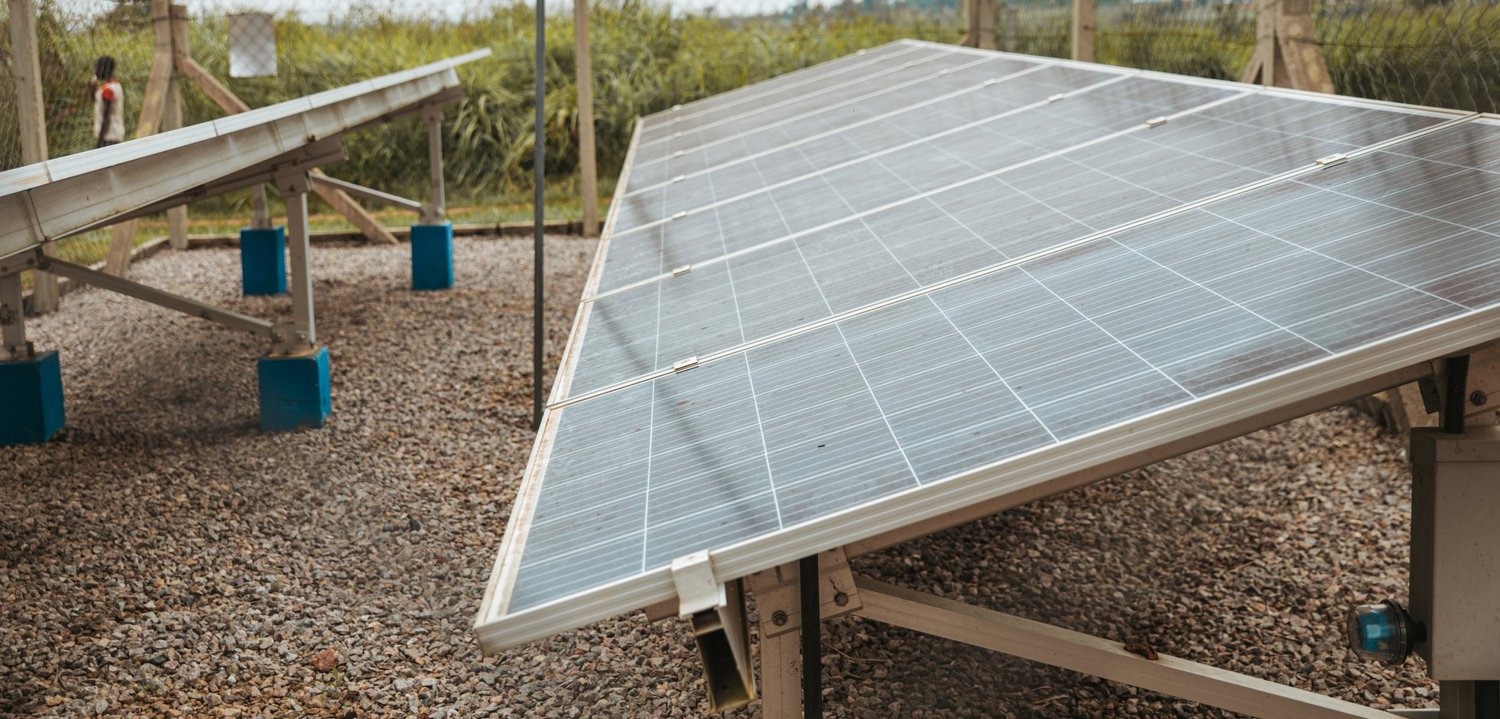
Affordable Systems
World-class systems at a fraction of the local price
BY THE NUMBERS
Our impact underway
Your Personal Impact
Enter the email you donated with to see all the lives you've helped change through Aid Pioneers.
Privacy: your email is matched against our donation records locally in your browser. Nothing is sent to a server beyond loading the public impact data. By continuing you confirm you are the email holder. Aid Pioneers will never share your data.
Welcome back
—
—
FROM THE FIELD
Explore our projects
Powering emergency care for up to a million people in Northern Uganda
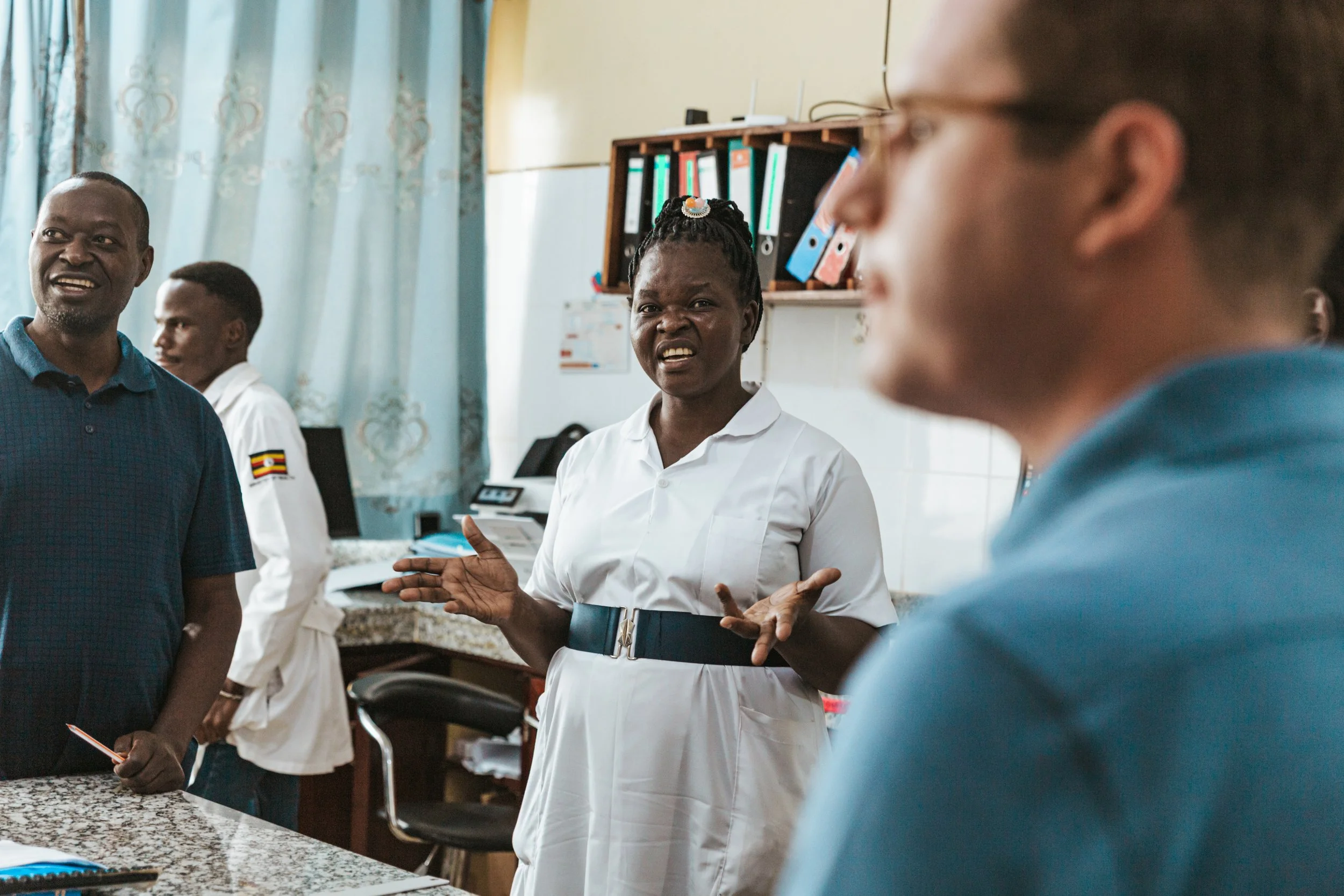
Anaka General Hospital treats more than 1,000 patients a day and serves as the referral point for smaller health posts across the region, though unreliable grid power puts that care constantly at risk. Outages disrupt surgeries and endanger newborns in incubators, while vaccines spoil without steady refrigeration. Diesel already consumes a third of the hospital's budget. Together with our partners, we are planning and co-financing a 64 kWp solar system with 120 kWh of battery storage, secured through supplier partnerships that lower costs while keeping ten-year manufacturer warranties on the core components.


Clean energy for refugee-led classrooms
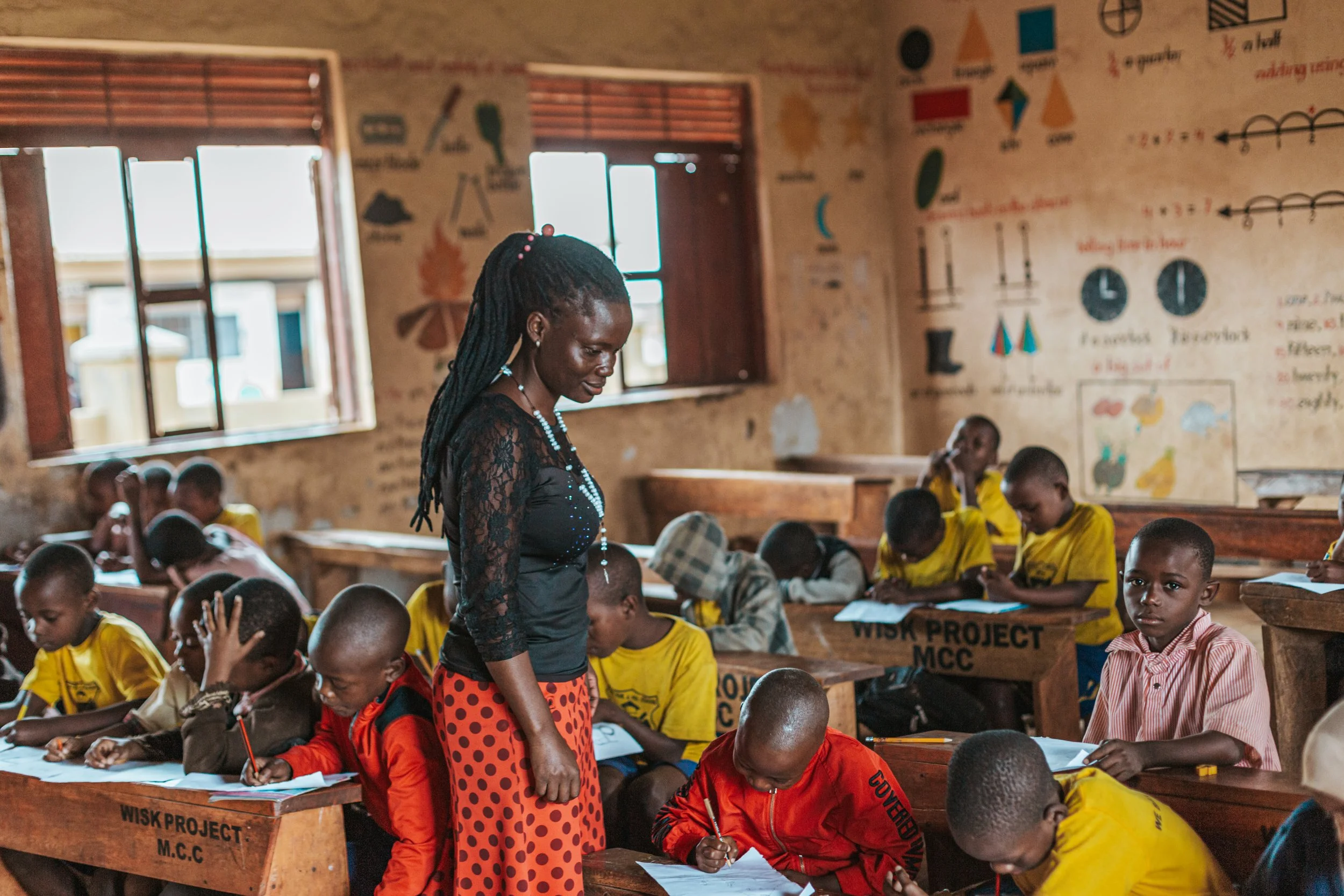
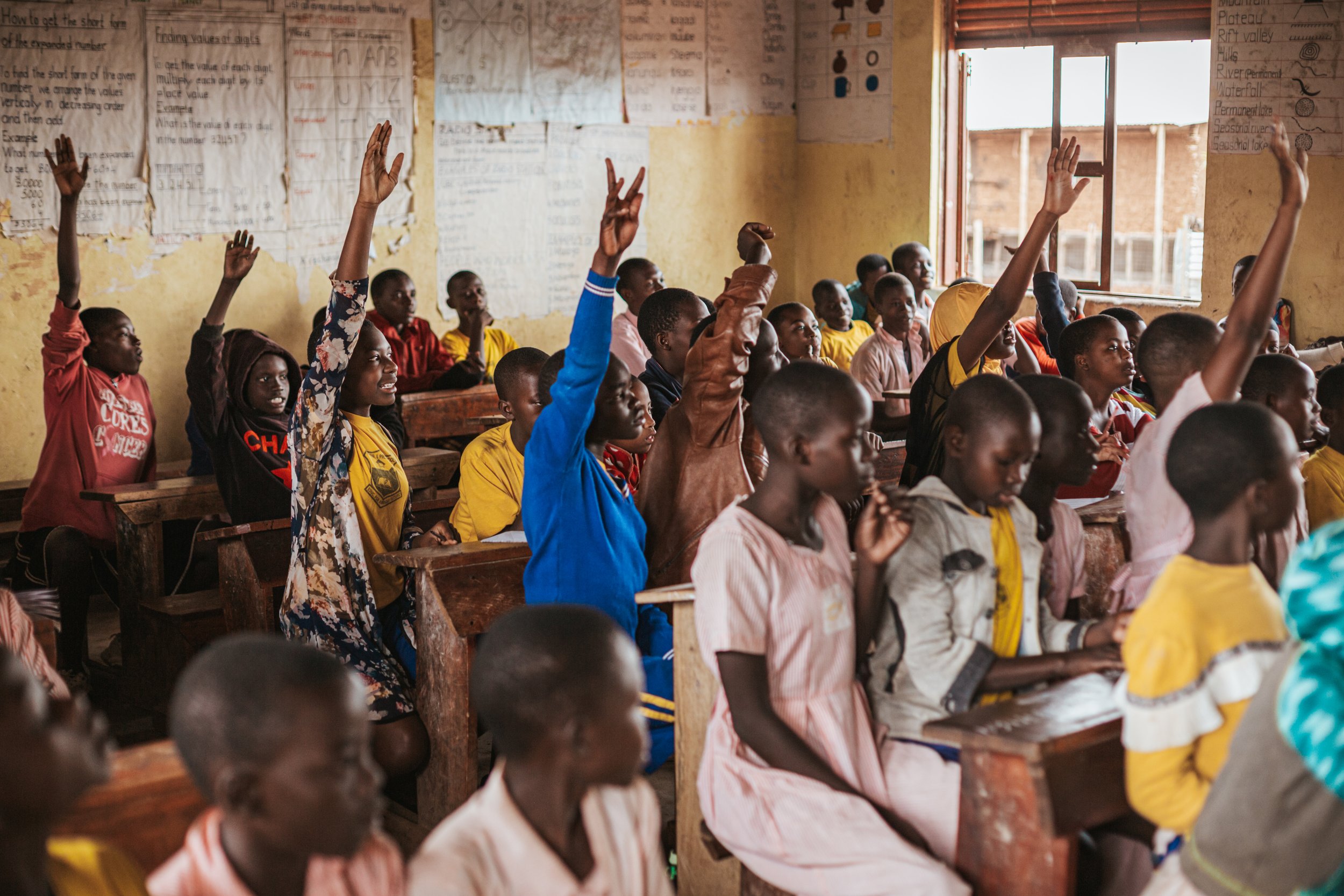
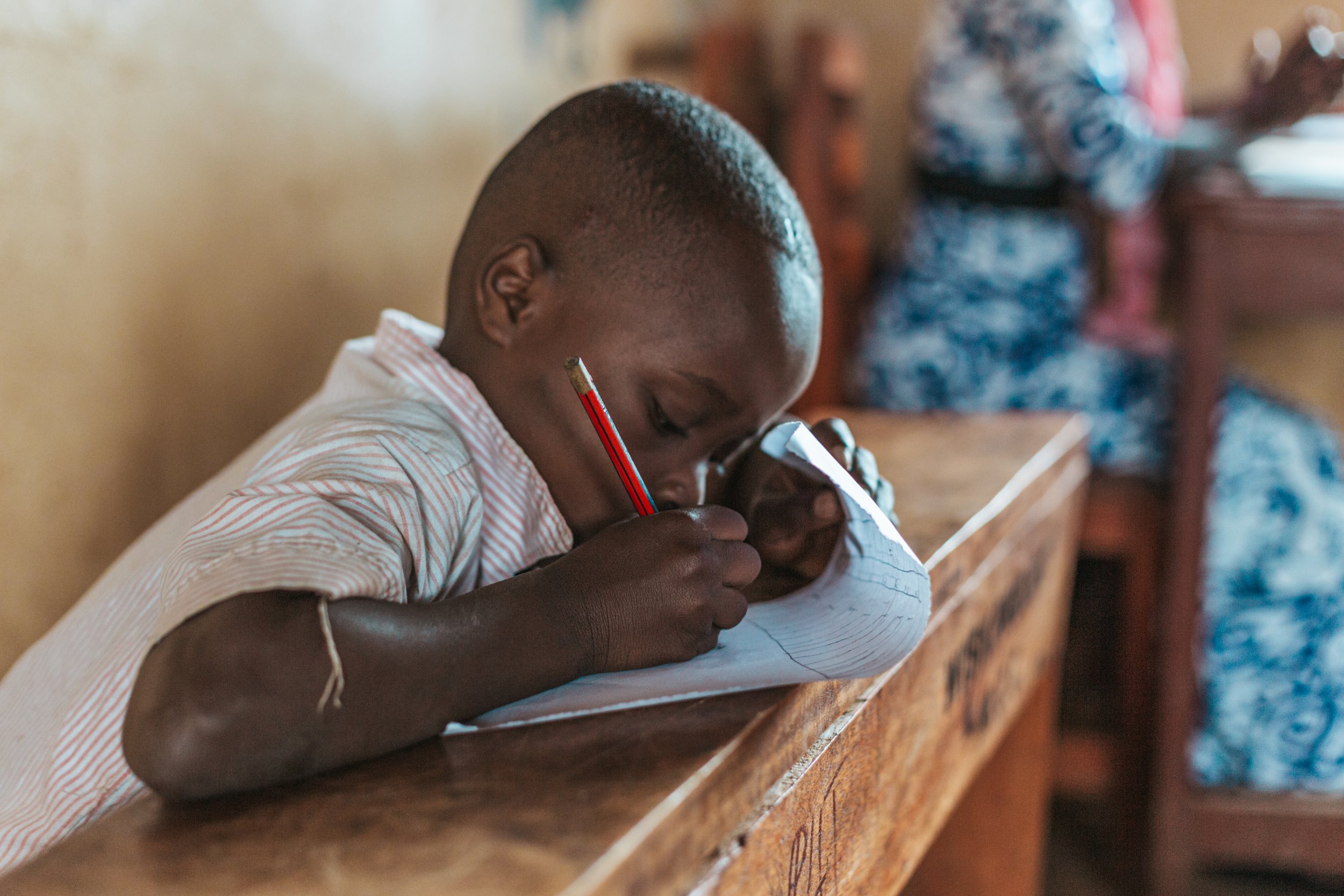
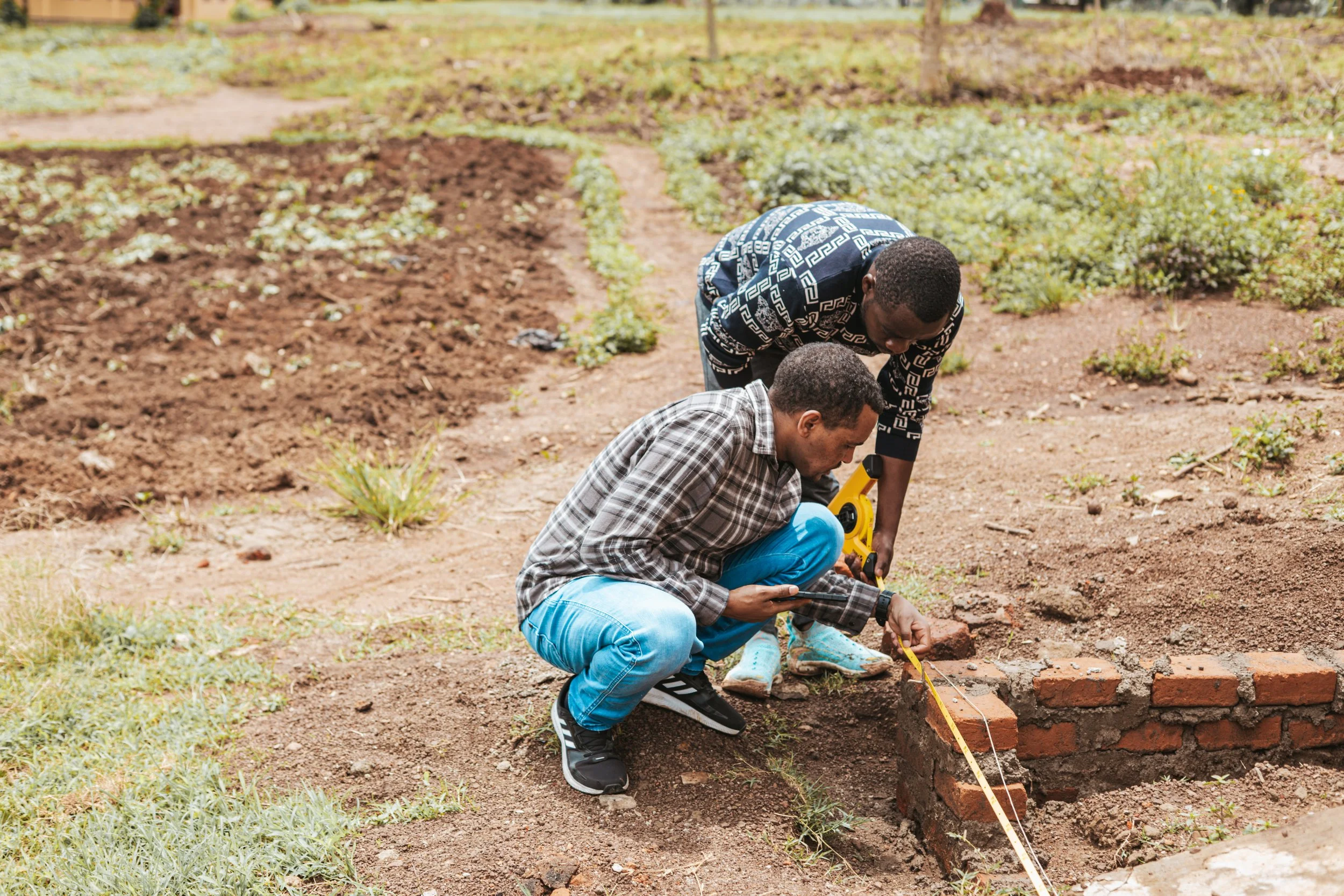
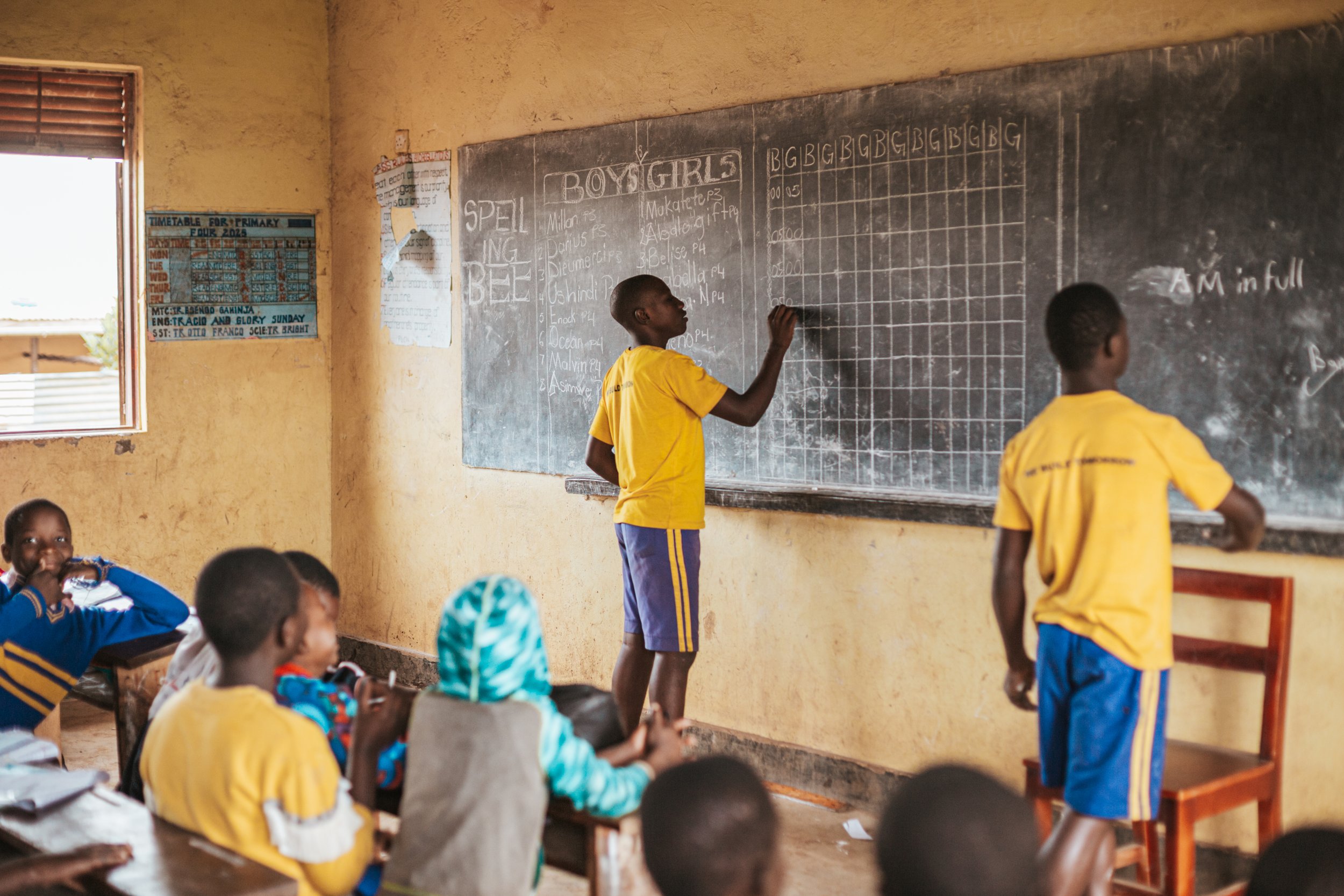
Planning for Tomorrow (P4T) is a refugee-led organisation that has run a primary and secondary school in Kyangwali refugee settlement for nearly two decades. An unreliable grid connection, though, limits study hours and restricts access to computers and lighting. Together with our partners, we are installing two 32.4 kWp solar systems, one per school, each paired with 34.8 kWh of battery storage and financed through a blended finance solution. Once complete, the systems should cover up to 76% of both schools' electricity needs, freeing up funds currently spent on grid power so they can go toward tuition support and teaching instead.
What can you do to help?
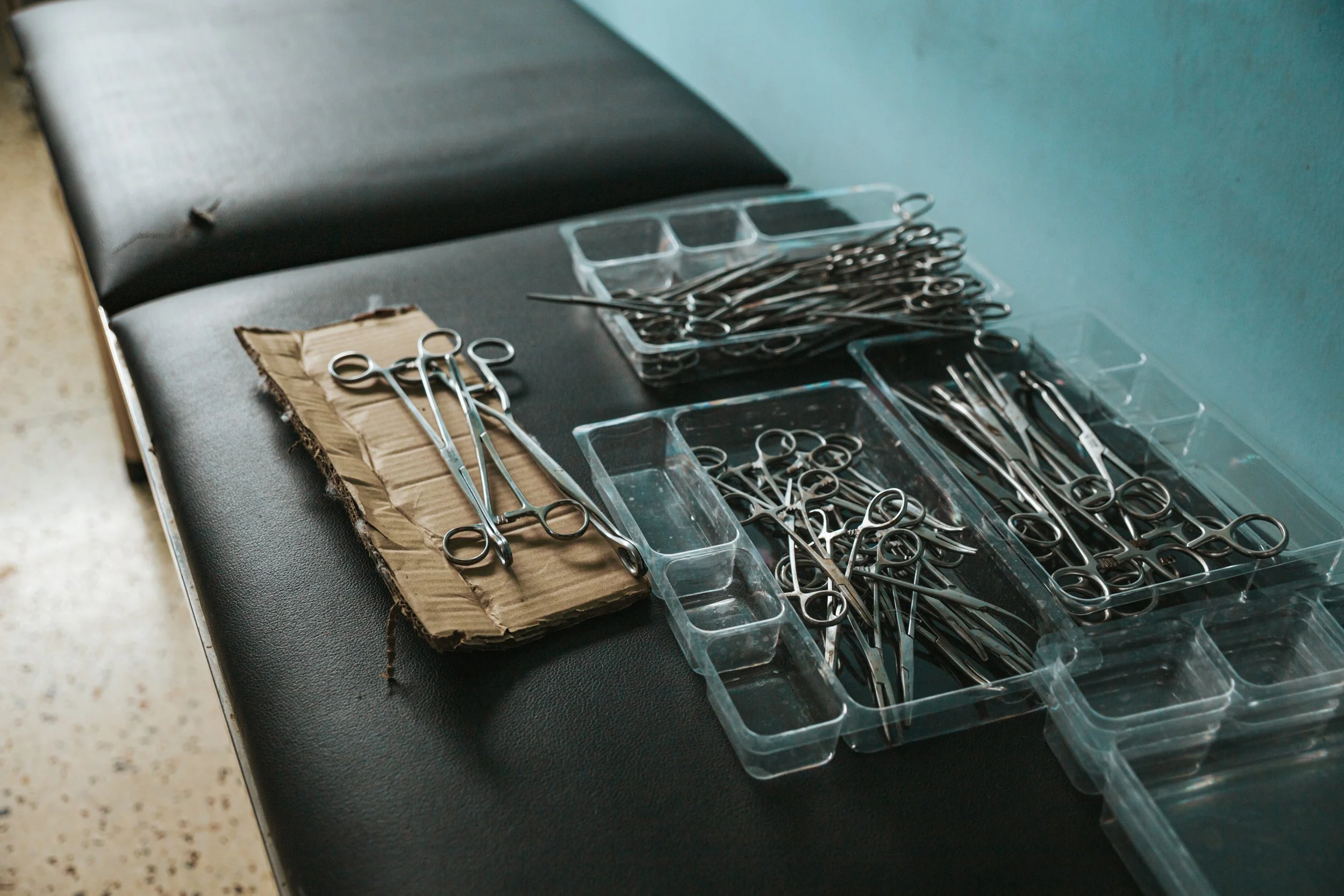
Unreliable electricity and soaring fuel costs strain resources, and surgeries stall, vaccines spoil, and equipment fails without stable power. Lives are at risk every day as a result.
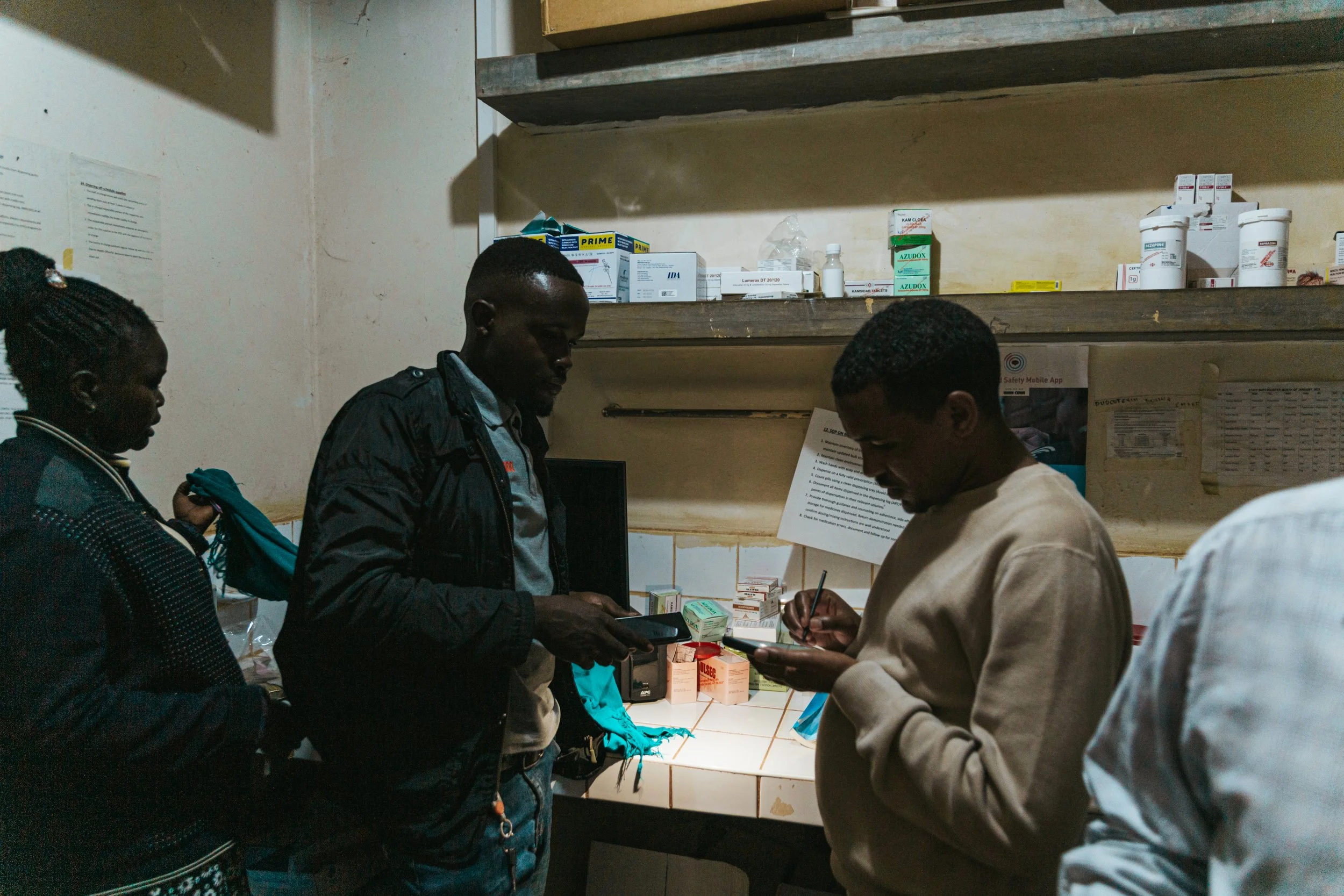
With your support, Aid Pioneers is solarizing hospitals and delivering essential medical supplies. This lowers operating costs and lets healthcare workers save lives, no matter the hour or the power situation.
Partner with Aid Pioneers
At Aid Pioneers, collaboration drives our impact. We're always looking to connect with organizations, companies, and foundations that share our mission of delivering sustainable aid solutions.
Interested in partnering with us?