
Fuel shortages hit the vulnerable hardest
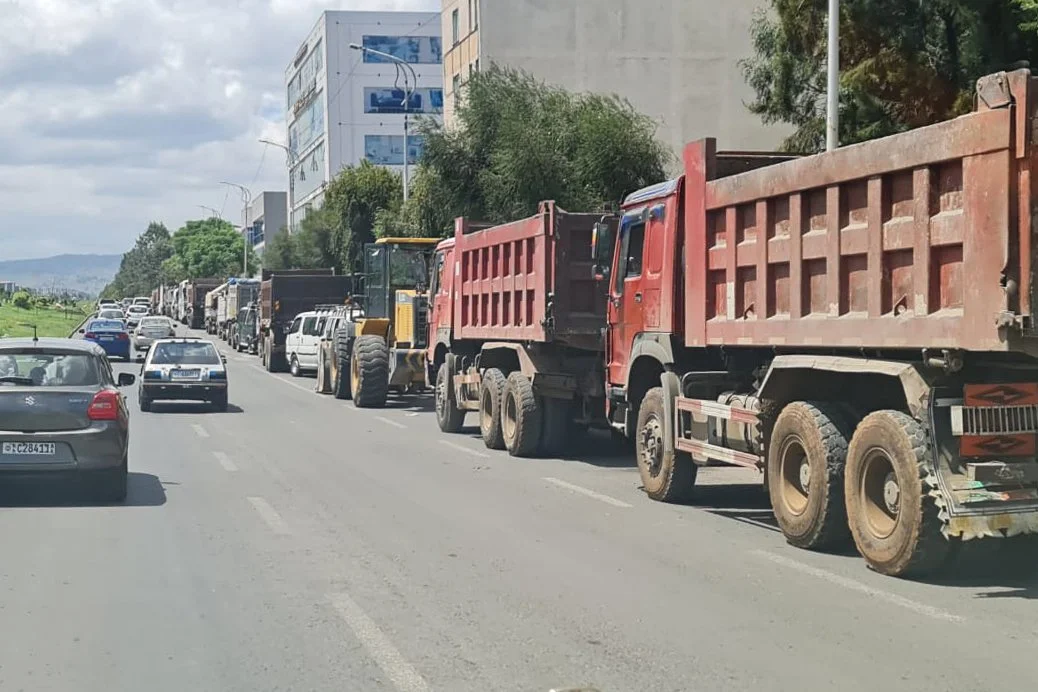
Long queues formed in front of a gas station in Addis Ababa. Photo by our partner Samson Tsegaye, Solar Energy Foundation in Ethiopia.
Every few years, something disrupts the global oil supply and exposes just how little the world has changed its relationship with oil.
Russia's invasion of Ukraine in 2022 sent European energy prices soaring and revealed how tightly the continent had wound itself around a single supplier. The Houthi attacks on Red Sea shipping in 2023 added weeks to global transit times and sharply pushed up freight costs.The ongoing U.S.-Israeli war on Iran and the closure of the Strait of Hormuz, through which roughly one-fifth of the world's oil normally flows, is the latest iteration of a pattern that has been repeating for decades. This time, the IEA has described the current disruption as the largest supply shock in the history of the global oil market.
Each time, governments release strategic reserves, reroute supply chains, pass emergency subsidies. Prices spike, then settle. The conversation about reducing dependence on fossil fuels resumes until the next crisis, when it begins again.
For countries like Ethiopia and Lebanon, that cycle does not apply. Higher fuel prices mean higher import bills paid in dollars, draining foreign exchange reserves that were already thin, weakening currencies further, and pushing up the cost of everything else that has to cross a border.
The consequences fall unequally
Ethiopia sources almost all of its refined petroleum from Gulf suppliers, a consequence of being landlocked, with virtually no domestic oil production. When the Strait closed, the effect was immediate: 180,000 metric tonnes of fuel stranded at sea, daily diesel supply halved, and fuel prices raised twice within twenty days as queues stretched across stations in Addis Ababa.
Lebanon presents a different but equally instructive case. For years, the country has provided its residents with an average of one to three hours of state electricity per day, the result of a national grid built entirely around imported diesel, which the government could no longer afford to run after the economy collapsed in 2021. The gap has been filled by thousands of private generators, with households in some parts of Beirut running to $100 or more per month for the privilege — a figure that can represent the majority of a household's income. A country with the natural resources to power itself several times over is instead burning diesel around the clock, with all the cost, pollution, and fragility that entails.Wealthier nations are securing what they need, paying whatever it takes, pushing prices higher everywhere while shortages accumulate at the bottom of the chain. For countries without the foreign exchange reserves or storage capacity to compete, what functions as a market is experienced as exclusion. The stakes of that exclusion are not abstract: at Ayder Hospital in Mekelle, Ethiopia, diesel costs alone were already equivalent to 7,000 annual staff wages - before this crisis began.
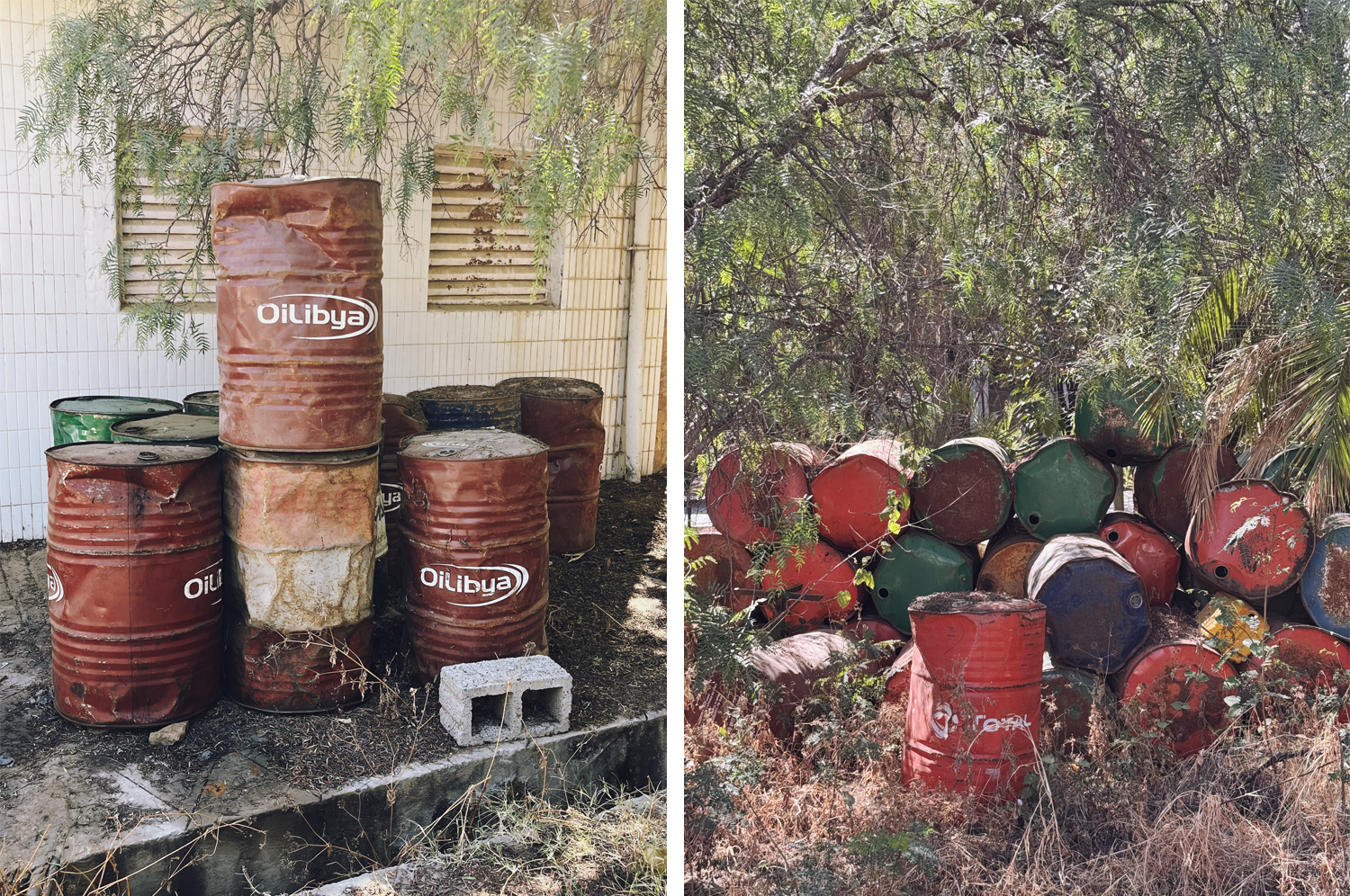
Empty diesel barrels at Ayder Hospital in Mekelle, Ethiopia.
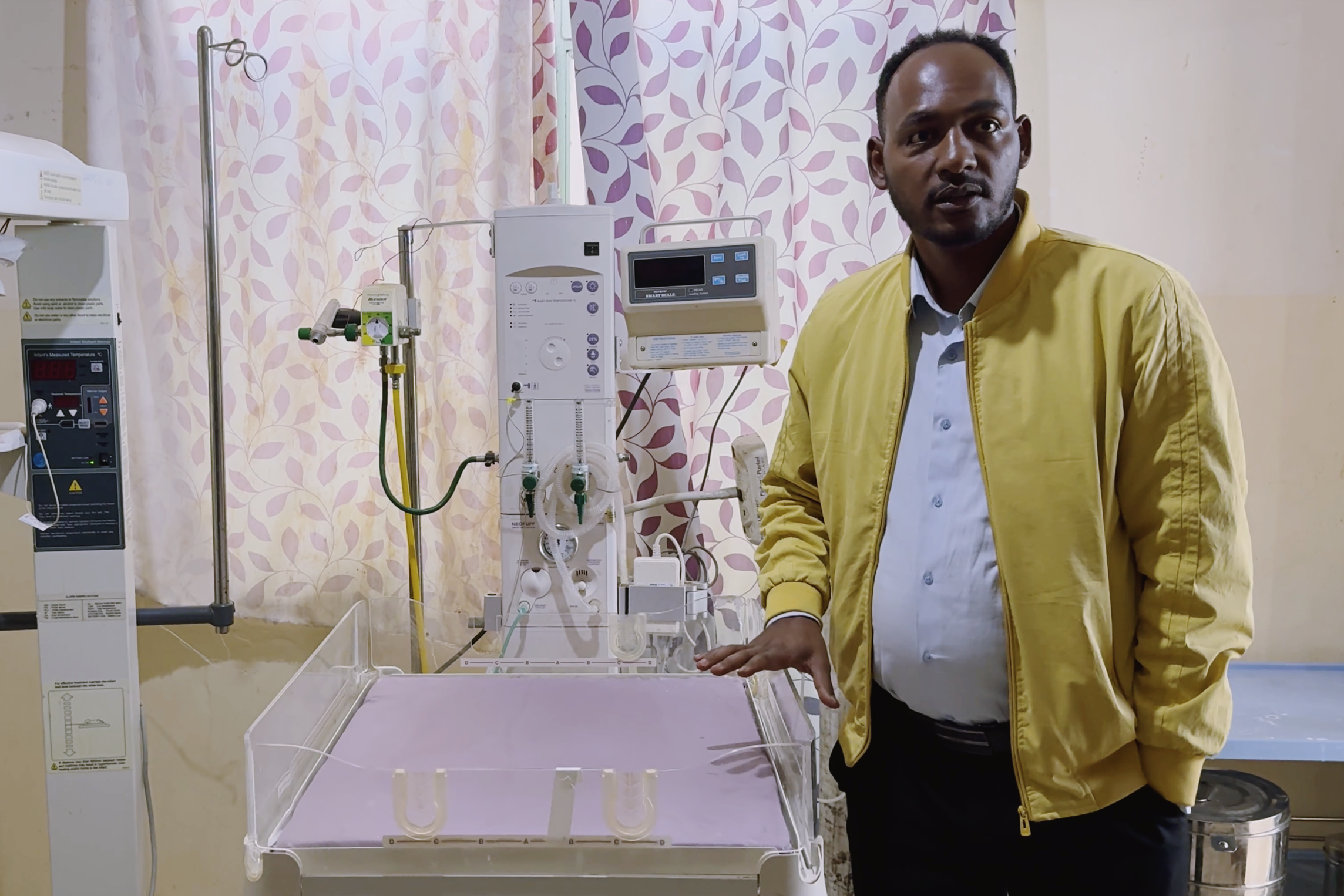
A burned-out incubator at Doyogena Hospital, Ethiopia, damaged by a power surge following a blackout.
What this looks like from where we work
We have seen for years what energy poverty does to the facilities that communities depend on. Hospitals across sub-Saharan Africa regularly spend a significant share of their operating budgets on diesel and even then, power cuts remain constant. Only around 34% of hospitals in the region have reliable electricity. In Ethiopia, that figure for healthcare facilities is broadly closer to 10%. The consequences arrive as vaccine spoilage, burnt equipment, interrupted procedures, and in the worst cases, patients on life-support losing power. A hospital without reliable electricity is not just less comfortable. It is less safe.
Before this crisis, Idlib University Hospital in northwest Syria was already spending €12,000 a month on electricity - a facility serving close to three million people, and home to Syria's largest neonatal intensive care unit. The 128 kWp solar installation we recently completed across its critical departments has nearly halved those costs, with €431,000 projected in avoided fuel costs over ten years. With the region now facing climbing prices and disrupted supply routes, that structural independence is what determines whether lifesaving services continue to run.
The same logic applies to every installation we work on: a surgical room in Chad, a school in Lebanon, a maternity ward in Ethiopia. Each solar system is one less facility whose ability to function depends on the fluctuations of global politics.
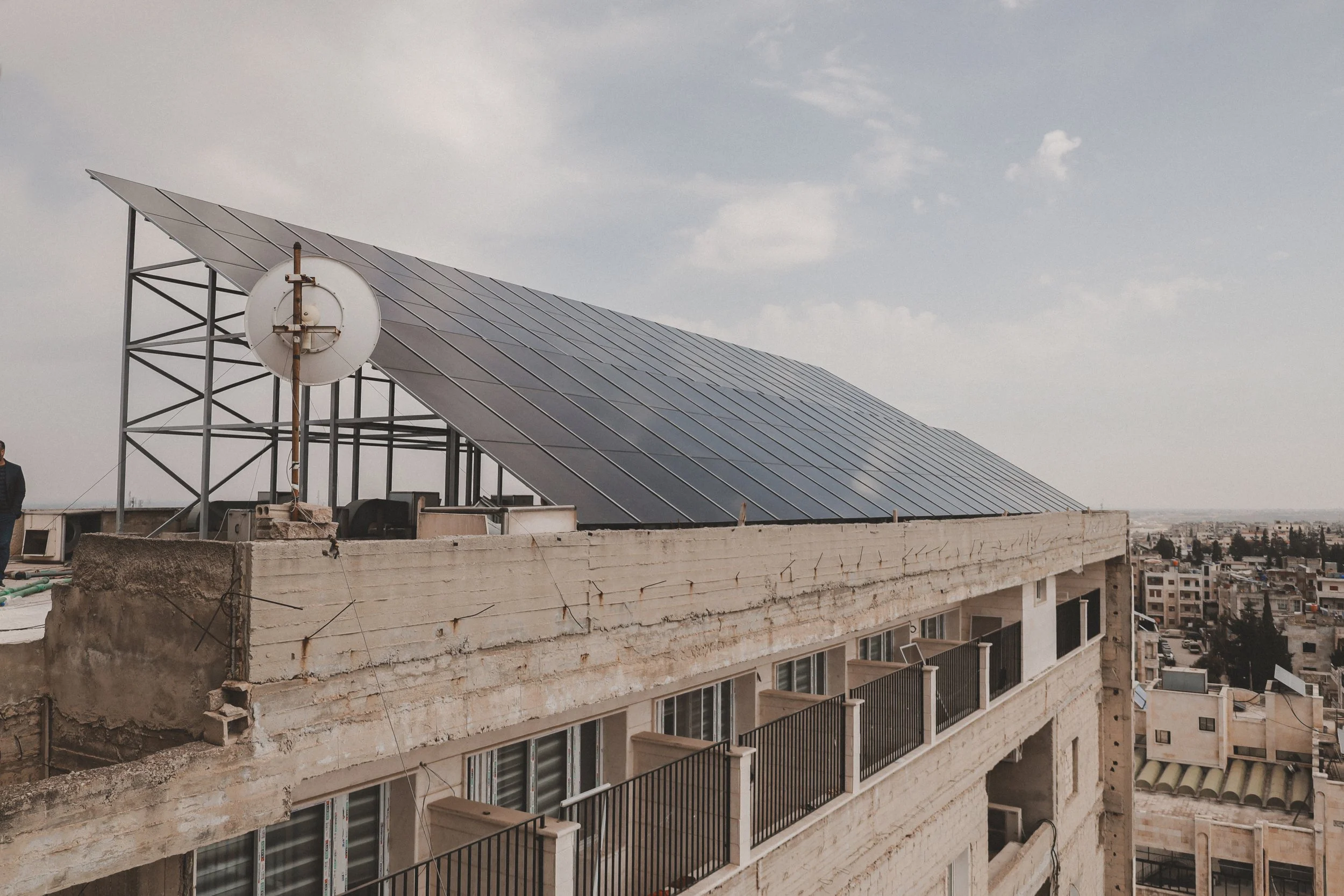
Our recently finished PV installation at Idlib University Hospital, that powers the hospital’s most critical wards.
How the current crisis reaches us directly
However, we are not outside the system we are trying to help facilities become less dependent on. Procurement, logistics, freight - everything runs on the same supply chains that have been disrupted, and the costs show it.
Last year, a freight quote for a shipment to Ethiopia came in at $8,888. The most recent equivalent quote we have received was $12,800 - a 44% increase driven in part by rising fuel costs and shipping surcharges that carriers are applying across the board. That difference reduces what we can deliver with a fixed budget, at the moment when the humanitarian sector is already under the most significant financial strain in years.
The solar equipment we have shipped to support Karat Primary Hospital in Ethiopia is currently sitting at the port in Djibouti, waiting to be moved inland. There is simply not enough fuel available to transport it — the same shortage that has forced Karat Hospital to halt operations, leaving 700,000 people without access to care. The humanitarian sector more broadly is facing similar pressures, with Save the Children reporting that essential medicines bound for Sudan are stranded in Dubai, and air freight costs for supplies to Afghanistan nearly doubling the value of the goods being shipped.
The closer a facility sits to the end of the supply chain, the more every disruption costs it. The further from the source, the more intermediaries, the more transit, the more exposure and the more urgent the case for an alternative.
Why solar changes the calculation
Once installed, a solar system generates electricity regardless of the price of oil. That independence is precisely what makes it valuable in contexts like these.
Lebanon has, somewhat inadvertently, demonstrated the scale of what is possible. In the years since the national electricity system effectively collapsed, Lebanese households and businesses installed around 350 MW of solar in roughly two years, growing national solar capacity from 100 MW to 450 MW. It is an imperfect, bottom-up response to state failure, and it has not reached the people who need it most, the people without the upfront capital or the technical knowledge to maintain a system. But it shows the appetite, and the potential.
Expanding that access - to the hospitals and schools that cannot fund installations themselves - in the countries where energy poverty is most acute, is what we are working to do. Not as a solution to the structural failures this crisis has exposed, but as a direct and durable response to one of their most consistent consequences: that essential services go dark when the fuel runs out.
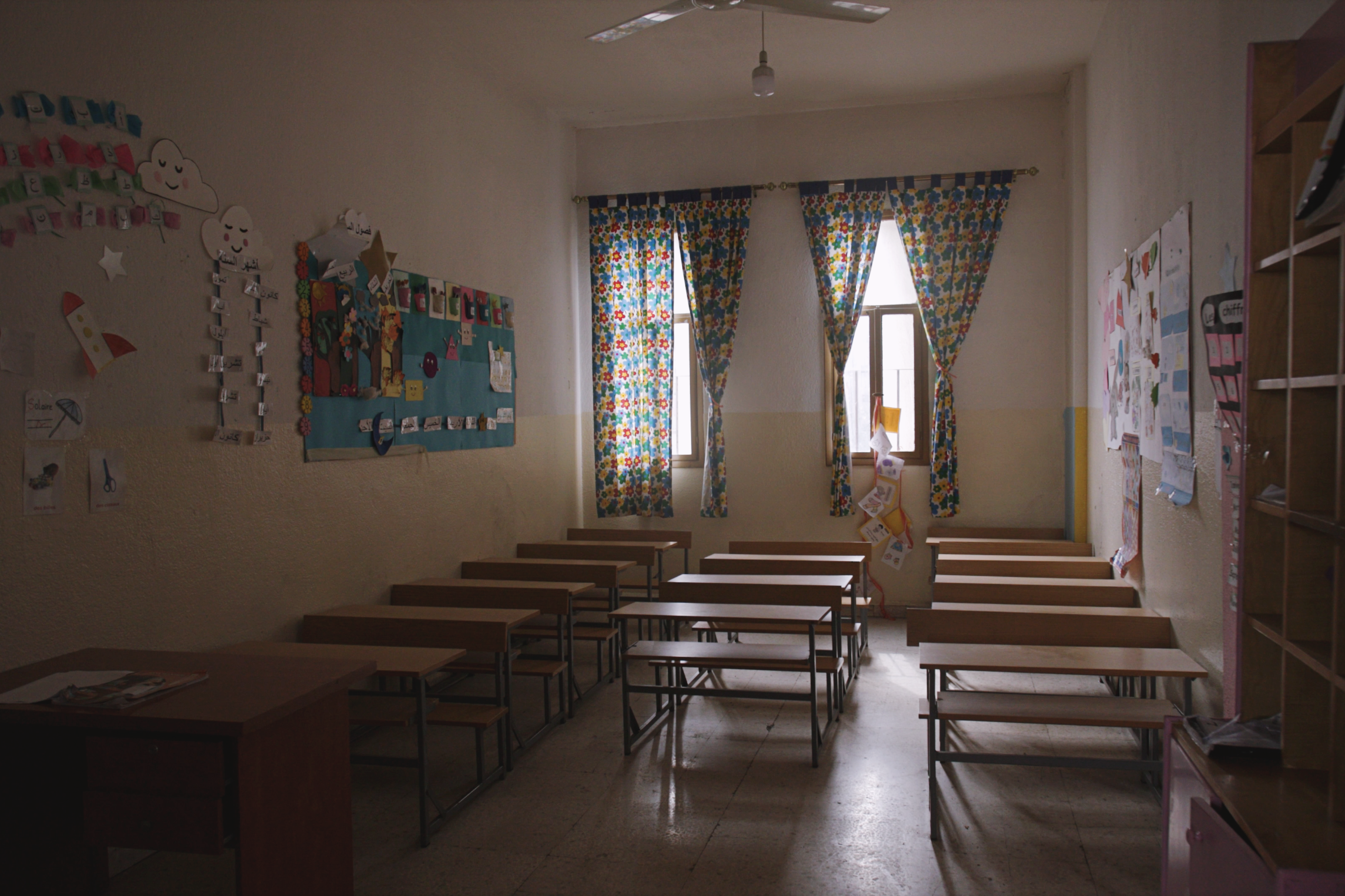
A low lit classroom at Dar international school in Tripoli, Lebanon, before our solar installation.
A reminder the world keeps needing
Each time a shock disrupts the oil supply, the conversation about energy transition intensifies briefly, then subsides.
For the communities at the end of those supply chains, the cycle does not reset. The next shock arrives before the last one has passed, and each leaves less capacity to absorb what follows.
The case for helping essential facilities become more energy-independent predates the current crisis, and it will outlast it. What the current moment adds is a particularly clear illustration of the stakes - of what it costs, in real operational terms, when schools and hospitals remain dependent on a system as fragile as the one the world has built.
We are working to change that. If you want to be part of that work, whether through a donation, a partnership, or simply by sharing why energy access matters - we would welcome it. The need is not going to wait for the next ceasefire or the next oil price correction.
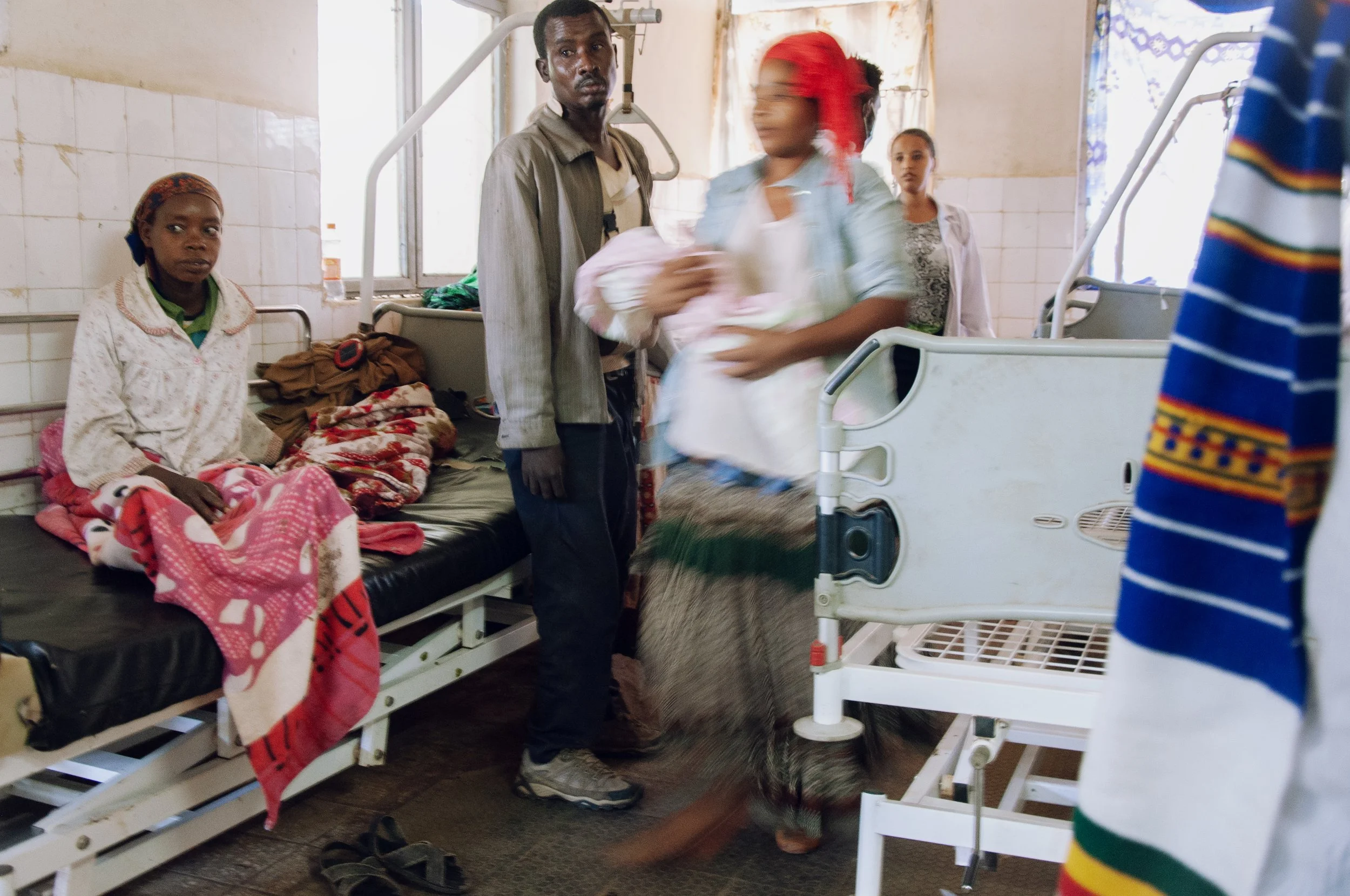
A patient room at Karat Primary Hospital, Ethiopia - currently closed due to fuel shortages.
