
Clean Energy
Imagine that your newborn child is
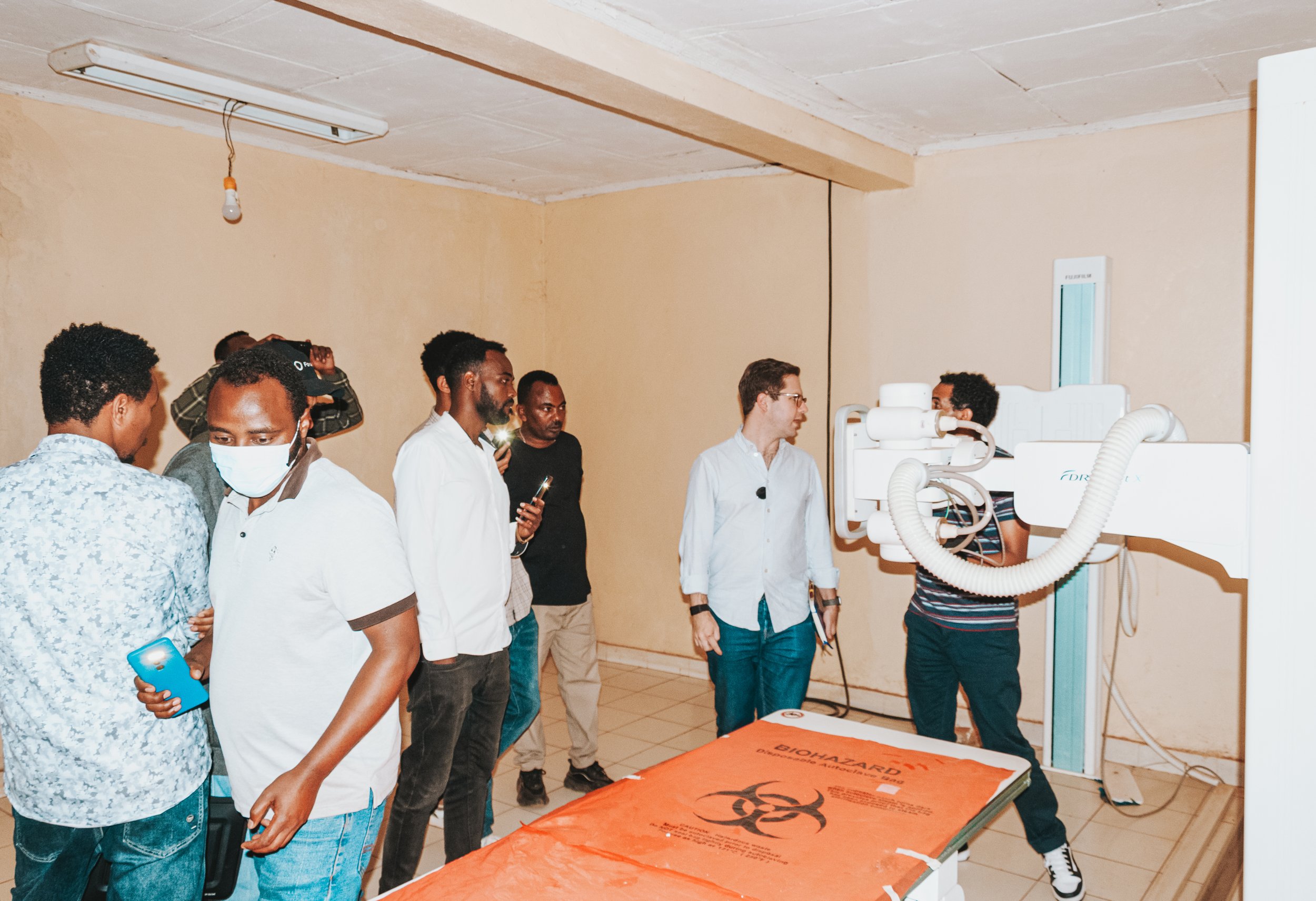
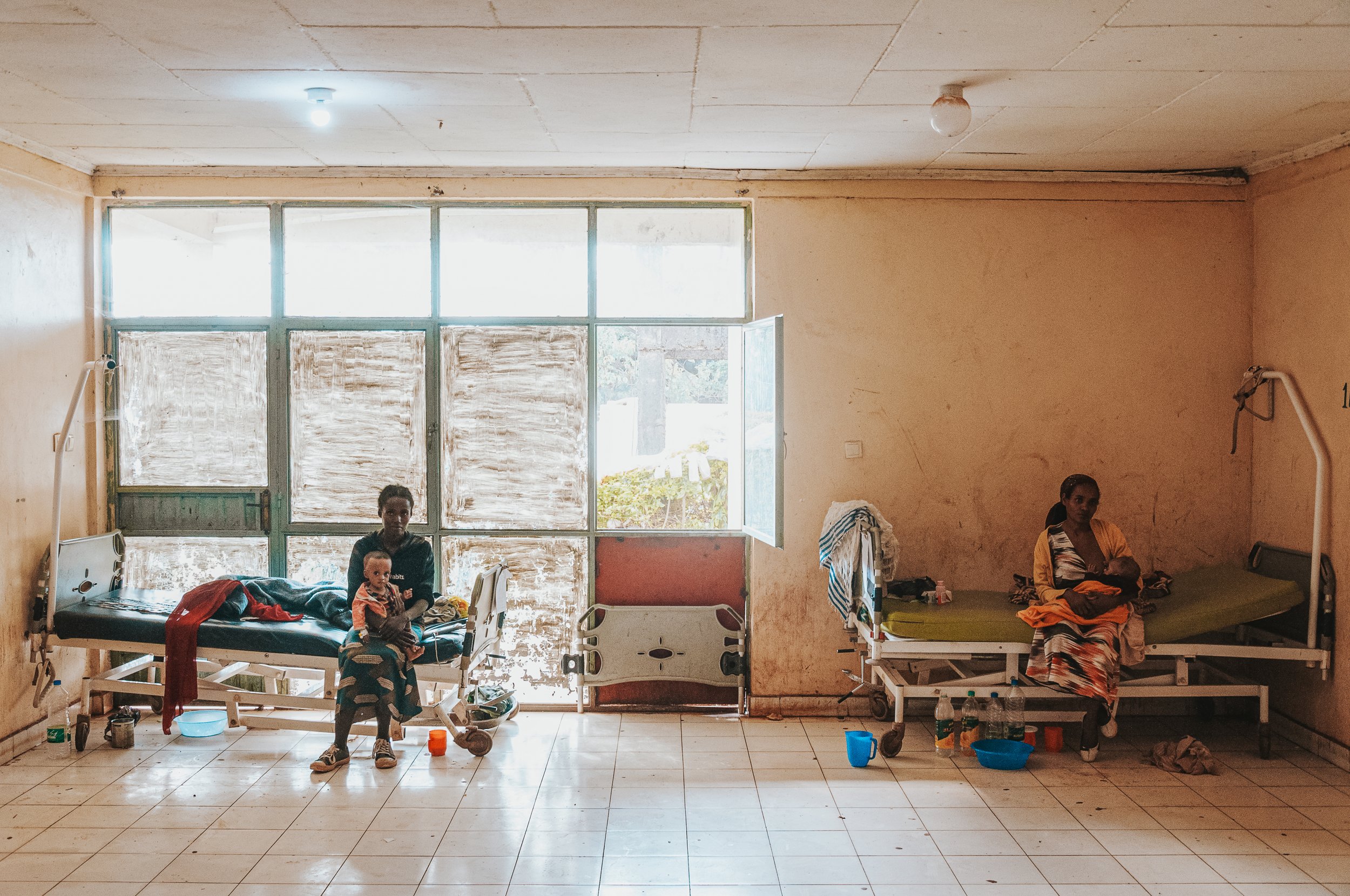
In the neonatal ward, a nurse moves between incubators in the dark after yet another power cut. Monitors go silent, oxygen becomes uncertain, and every newborn’s life suddenly hangs on a generator that may not start. It sounds extreme, but it’s the daily reality in many hospitals we support. Alone at Karat Primary Hospital in Ethiopia, 27 newborns died in 2024 when incubators failed during blackouts.
This is what energy poverty looks like.
Why it matters
When communities get reliable electricity, doors open to better healthcare, education, economic opportunities and countless other improvements that ripple through generations.
85%
of the global population without electricity lives in Sub-Saharan Africa (Source)
67%
of hospitals in Low- and Middle income countries lack power to fuel basic operations (Source)
50%
of vaccine supplies are estimated to be lost very year due to insufficient refrigeration (Source)
Imagine losing your child because of an energy blackout
In the neonatal ward, a nurse moves between incubators in the dark after yet another power cut. Monitors go silent, oxygen becomes uncertain, and every newborn’s life suddenly hangs on a generator that may not start. It sounds extreme, but it’s the daily reality in many hospitals we support. Alone at Karat Primary Hospital in Ethiopia, 27 newborns died in 2024 when incubators failed during blackouts.
This is what energy poverty looks like.
Why it matters
When communities get reliable electricity, doors open to better healthcare, education, economic opportunities and countless other improvements that ripple through generations.
85%
of the global population without electricity lives in Sub-Saharan Africa (Source)
67%
of hospitals in Low- and Middle income countries lack power to fuel basic operations (Source)
50%
of vaccine supplies are estimated to be lost very year due to insufficient refrigeration (Source)
50%
of vaccine supplies are estimated to be lost very year due to insufficient refrigeration (Source)
The unused potential of solar
The contradiction is that across Southwest Asia and Africa, many of the countries that struggle most to keep the power on are also blessed with some of the world’s most consistent sunshine. Yet instead of unlocking that potential, hospitals and schools are often forced to rely on diesel – a fuel that may keep the lights on today but steadily strangles their budgets and pollutes the air.
At Ayder Hospital in Mekelle, Ethiopia, diesel costs consume the equivalent of 7,000 yearly staff wages. That is money that could otherwise stock medicine cabinets for months or pay desperately needed nurses. But instead, it literally goes up in smoke.
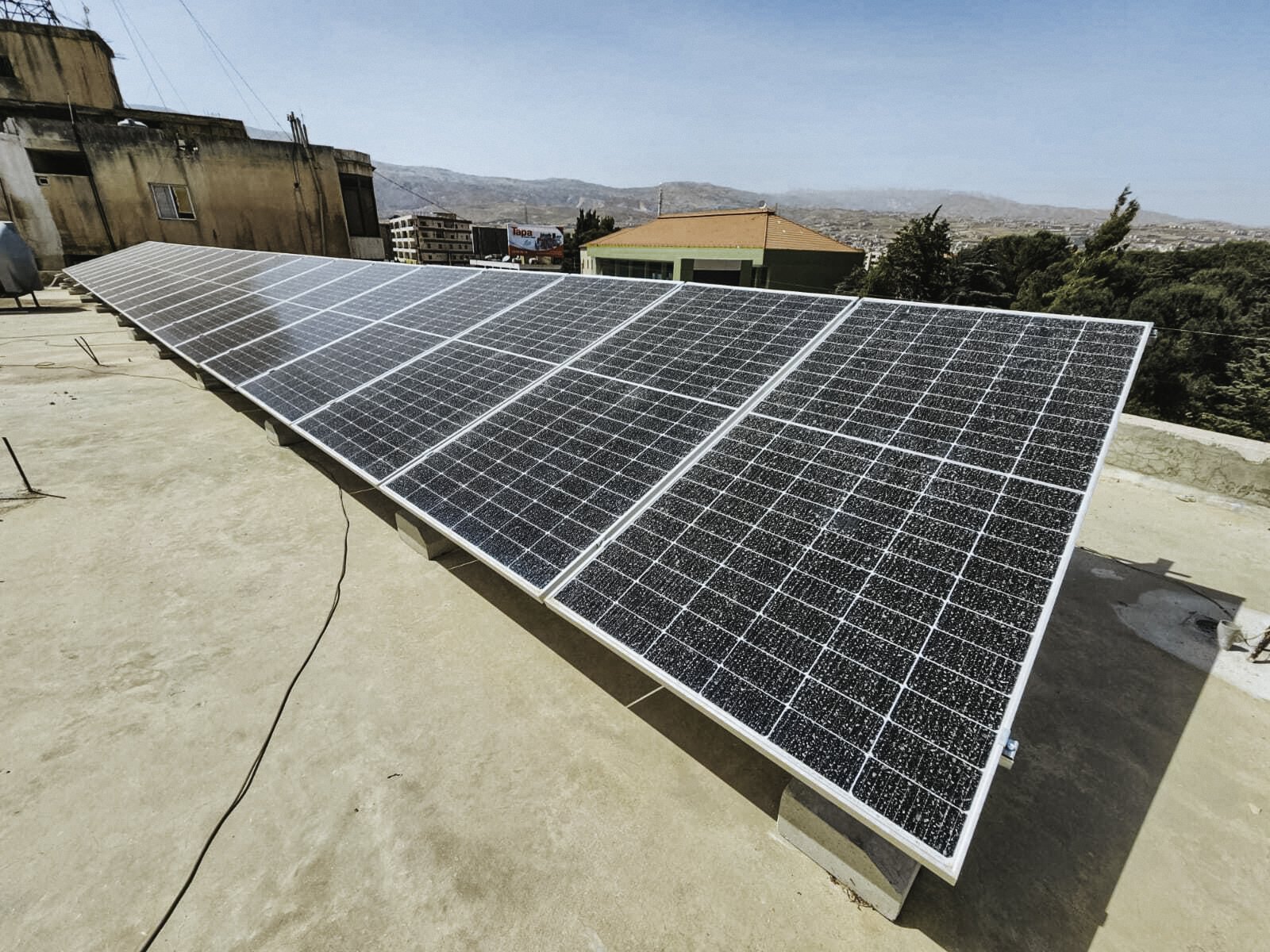
Solar energy flips this equation. Once installed, it is almost free to run: no fuel deliveries, no volatile pricing. Simply clean, steady power from an endless source.
The problem isn’t that we lack a solution, it’s that high upfront costs and fragile infrastructure keep it out of reach for the communities who need it most.
That is where Aid Pioneers steps in.
-
In many countries, diesel is the default: it’s known, available and flexible. When the grid fails - or doesn’t exist - diesel generators take over. Local technicians know them best, and institutions have built budgets and crisis plans around them.
In Lebanon, for example, some people receive as little as two hours of grid power a day. Generators are lifelines, even as they grow more expensive, less reliable and continue to pollute the environment.
But here’s the caveat: every month spent on diesel is a month solar is pushed further out of reach. Savings that could cover installation costs are burned at the pump. And without the right support, switching feels too risky.
Our approach:
We design hybrid systems for gradual transition, so institutions can switch without fear of failure. We train local technicians to keep systems running long-term, building local confidence and capacity. -
Solar systems with batteries need large upfront investment. But hospitals and schools usually can’t borrow: they lack collateral, credit histories or legal status to take loans.
Additionally, when financing is available, it’s often too risky — high-interest, short-term or in foreign currencies. And energy savings alone rarely add up to a bankable business case.
Our Approach:
We combine grants and interest-free loans, matched to each institution’s ability to repay. Instead of fixed repayment schedules, we set it below previous diesel spending, meaning that partners save from day one. Those repayments then seed future projects, creating a flywheel of reinvestment. -
For the healthcare and educational institutions we serve installation of solar systems rely on long global supply chains: panels, batteries and inverters often travel halfway around the world before they reach the roof of a clinic. Along the way, import taxes, customs bottlenecks, slow procurement and fragile logistics inflate costs and drag projects out for months. Even as global prices fall, local prices stay stubbornly high.
Our approach:
We leverage our 23+ corporate partners to access NGO discounts, manage shipping, and handle customs. This cuts costs by up to 70% and ensures even the most remote communities get reliable systems. -
In many regions, the solar market is small and fragmented.
Installers face irregular demand and price high to cover risks. Rural deployments cost extra due to transport, time and tricky conditions. Crucially, trained solar engineers are scarce outside major cities, leaving rural institutions without many choices.
Our approach:
Our in-house engineering team co-designs systems with local partners, supervises remote installations, and builds local capacity through training and documentation.
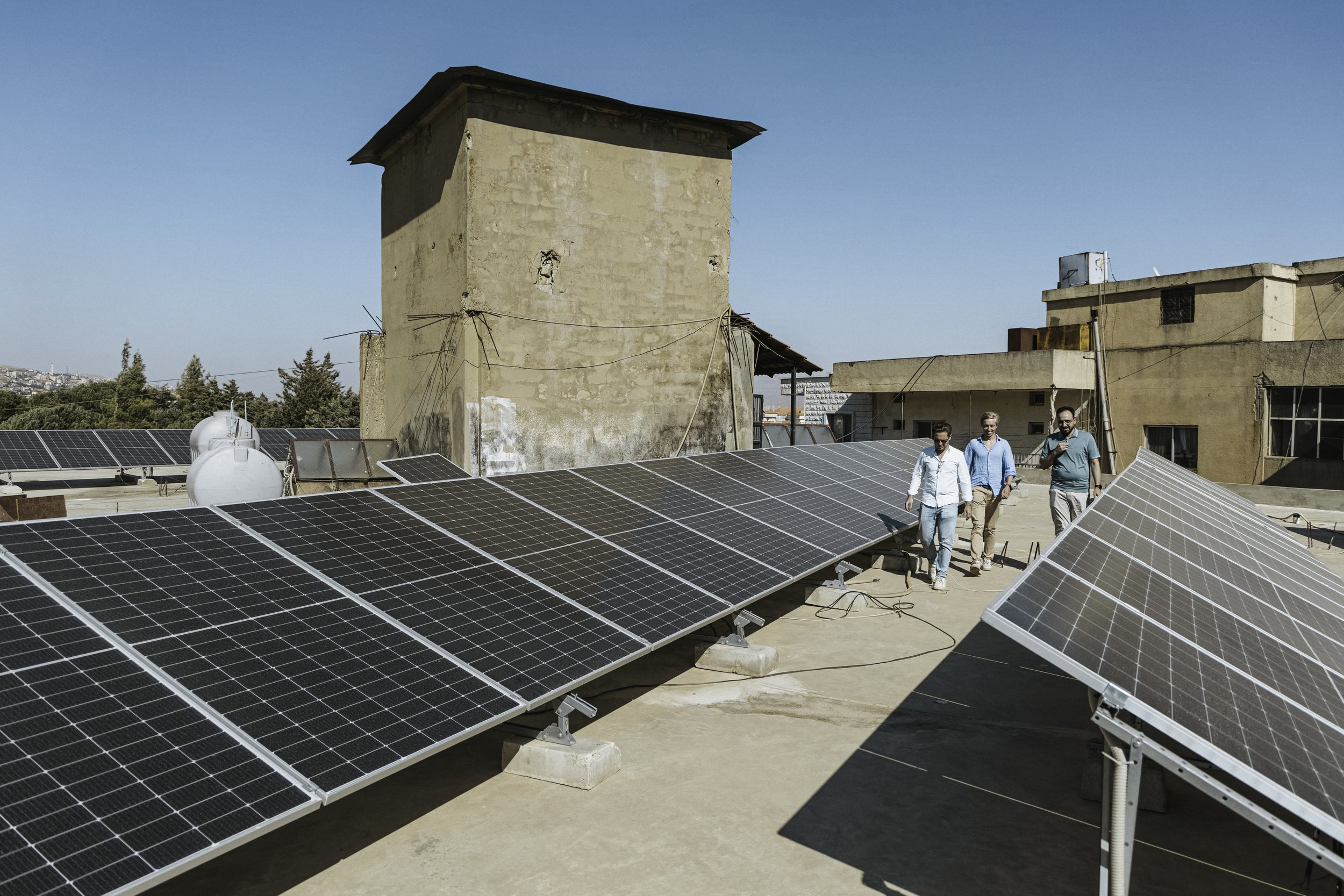
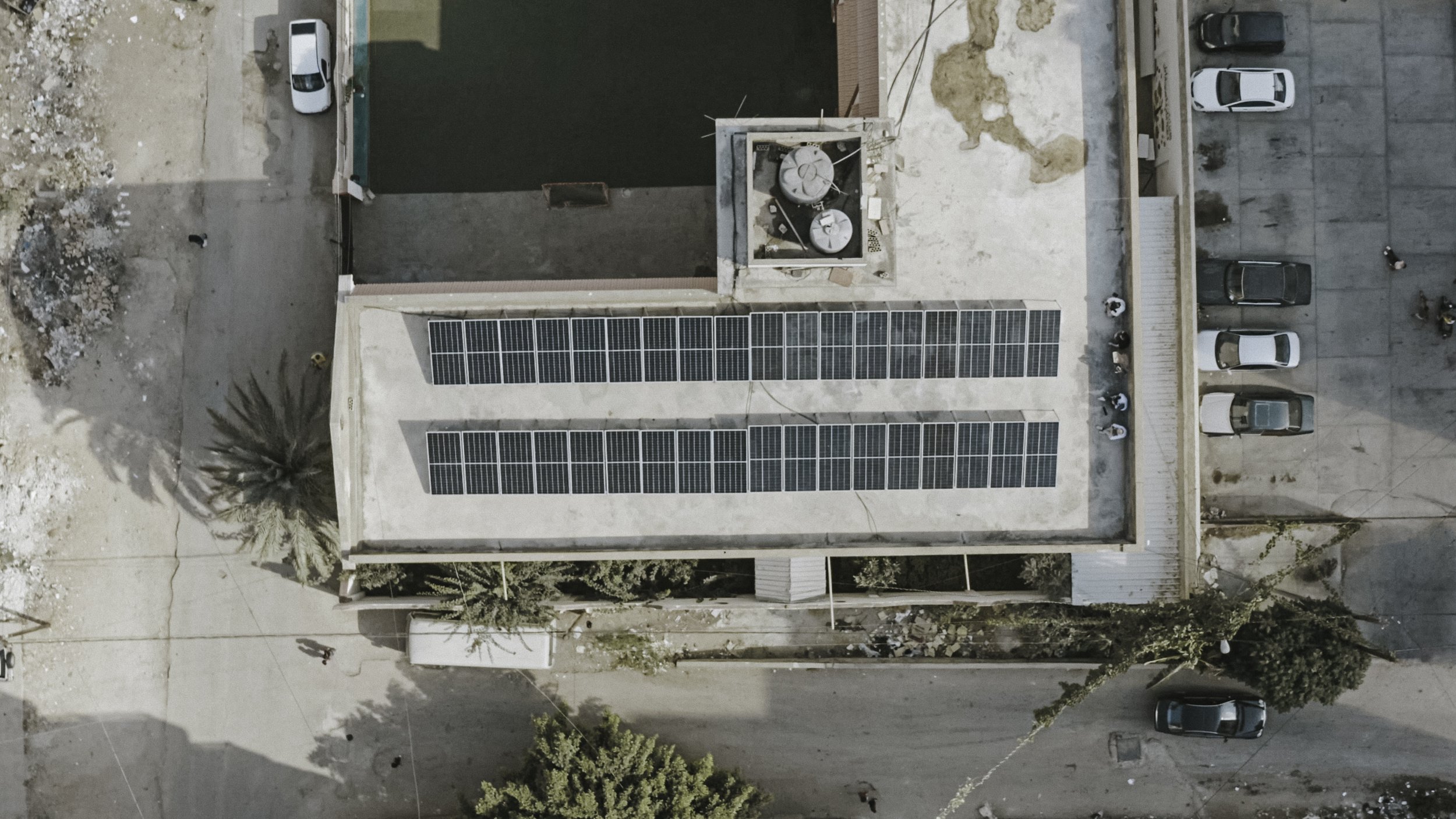
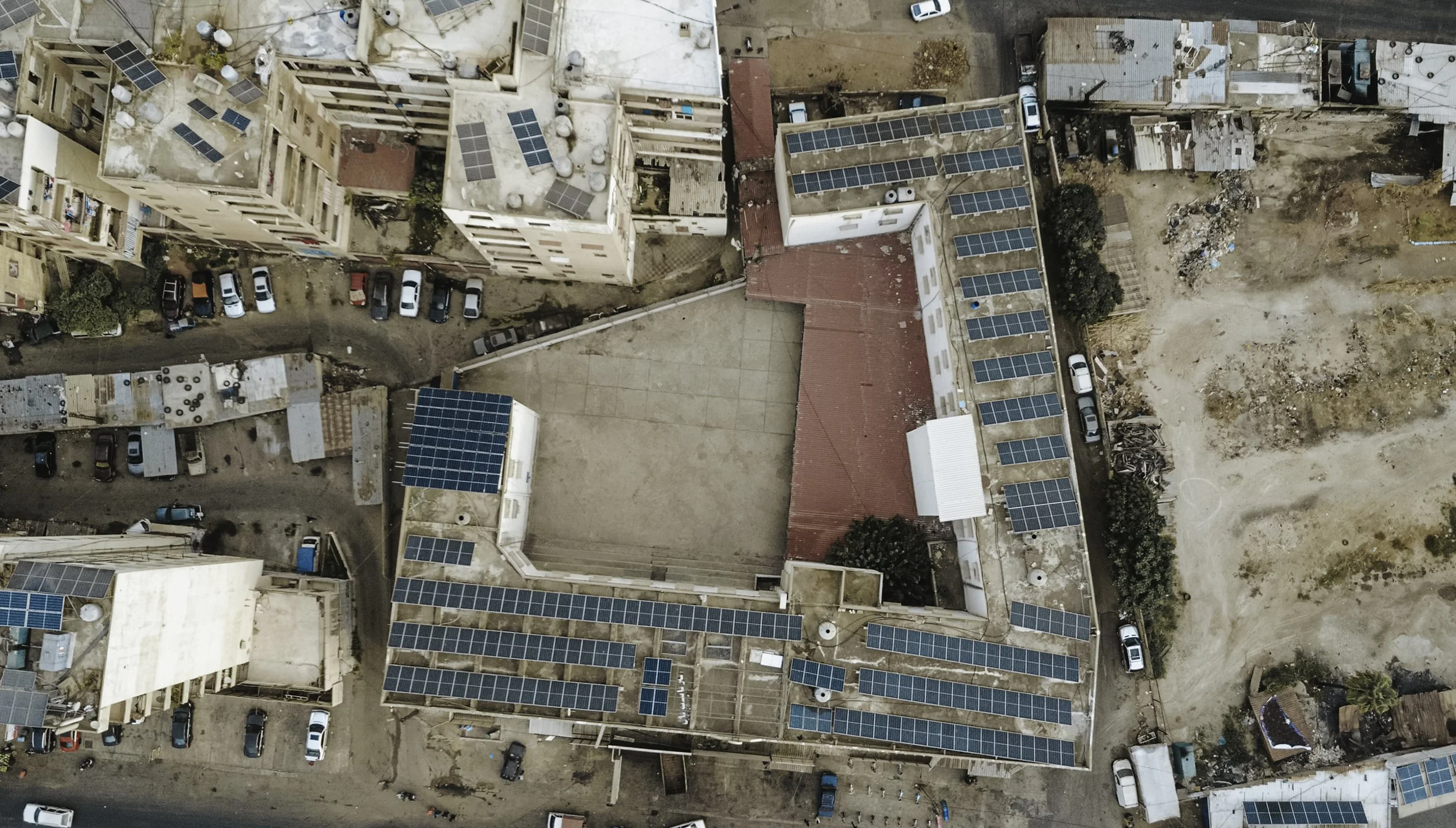
For example, for the installations build in Tripoli, Lebanon, this meant not just delivering systems, but ensuring local companies like ZS Energy were upskilled and integrated - laying the groundwork for future local-led projects.
Where hospitals and schools struggle with failing grids and costly diesel, Aid Pioneers work with local communities to deliver lasting solar solutions by partnering with private companies to procure high-quality systems at up to 70% lower costs and guiding the entire process from assessment to design and final installation.
From watts to wins
Since the establishment of our Clean Energy program in 2022, we have achieved:
Global projects installed
kWp of clean solar capacity installed
50,000
more students enabled
360,000
patient treatments enabled
EUR in saved energy costs
tonnes of CO₂ emissions avoided
How it comes to life
We help by going beyond simple procurement. Our approach is a solidarity-driven supply chain, specifically crafted to dismantle systemic obstacles and achieve tangible, transparent and measurable results:

01 Technical needs assessment and design
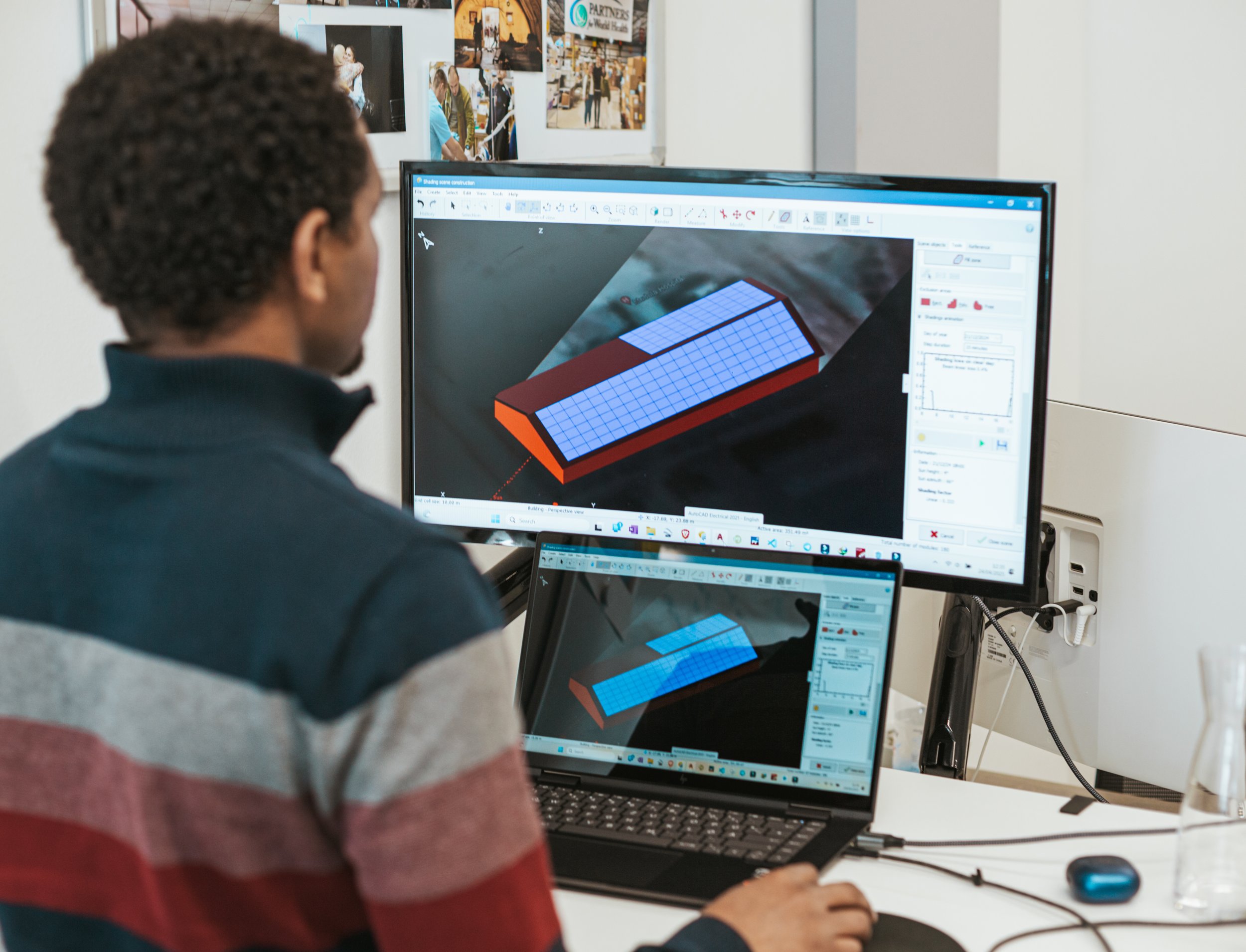
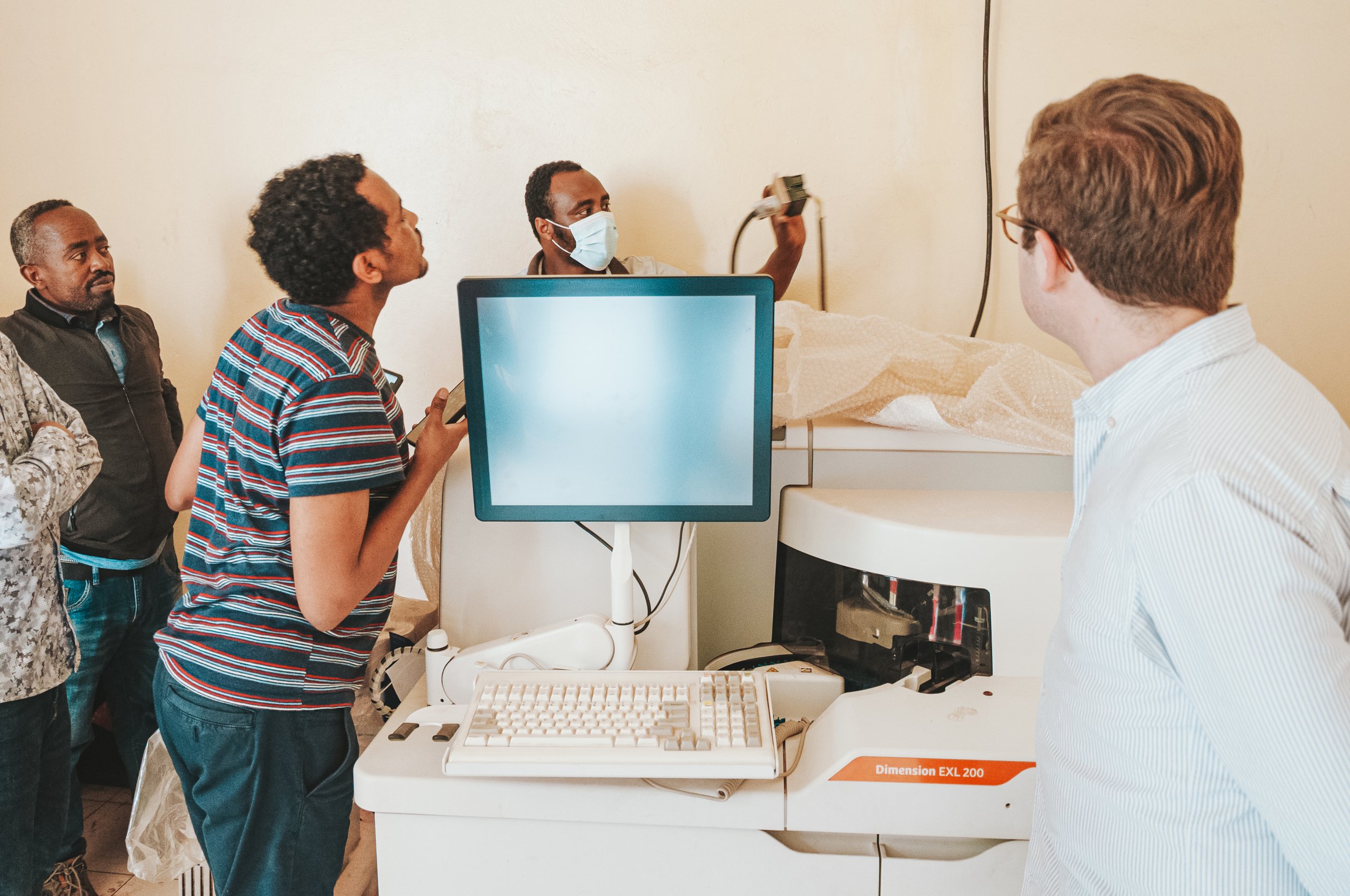
Before a single panel is ordered, we work to understand how power is actually used on site. Our in-house engineer reviews energy demand, building conditions, local climate and existing power sources to design a system that matches real needs and delivers maximum impact.

02 System sourcing and installment
Our network of 23+ corporate partners allows us to source high-quality components directly from manufacturers and secure “NGO-pricing” for our projects. In some cases, this has reduced system costs by over 70%. We handle procurement, shipping and customs so partners can focus on their communities instead of logistics.

03 Project Financing
Hospitals, schools and local organizations rarely have the flexibility to cover the full upfront cost of a solar system.
We provide several financing options through co-financing options and de-risking loans. Learn more about our Solar Fund here.

04 Impact Monitoring
Partners and donors shouldn’t be left wondering what happened after a project is funded. For each system, we trace equipment through the supply chain, verify installations and log how much energy the system produces once it’s running. All of this flows into a clear impact record that gives stakeholders a transparent view of what the system delivers over time.
Our work in action
Get a look into our clean energy solutions in action.
This 5-minute video takes you behind the scenes of our supply chain operations, showing how we deliver sustainable energy from start to finish.
Partners powered by the sun
Explore some of the ways clean energy is currently transforming communities on the ground

A solar-powered shift for Syrian refugees
Lebanon

Mudula’s lifeline for 600,000+ people
Ethiopia
Multiplied by partners
Real change does not happen alone. Our local partners bring deep understanding of their communities and stay long after the panels are installed. Our private sector allies bring technical expertise and significant cost reductions that make it all possible.
By working as one, we are able to build clean and sustainable community-owned energy access.





What partners say
"This solar installation is more than just a project - it’s a lifeline for our clinics and the communities we serve. By providing clean, reliable energy, it frees us from the constant burden of fuel costs and power outages.
Every dollar saved means more lives we can touch, more patients we can heal and more hope we can offer. This is a testament to the power of coming together to create lasting change.”
— Mohammad Meibar, Program Manager, MAPs
"Like many rural hospitals in Ethiopia, Mudula Hospital has long struggled with power outages, putting patients at risk. Thanks to our partnership with Aid Pioneers, this will soon change. With reliable solar power, the hospital can provide uninterrupted, life-saving care to the community. Aid Pioneers brings invaluable technical expertise and a relentless commitment to cost-effective, high-impact solutions."
— Susan Daly, Director Of Finance And Operations, WEEMA
Interested in securing health and education for vulnerable communities?
If you would like an in-depth introduction to our financing options and discover ways to invest in our solar projects, we are more than happy to give you a demonstration.

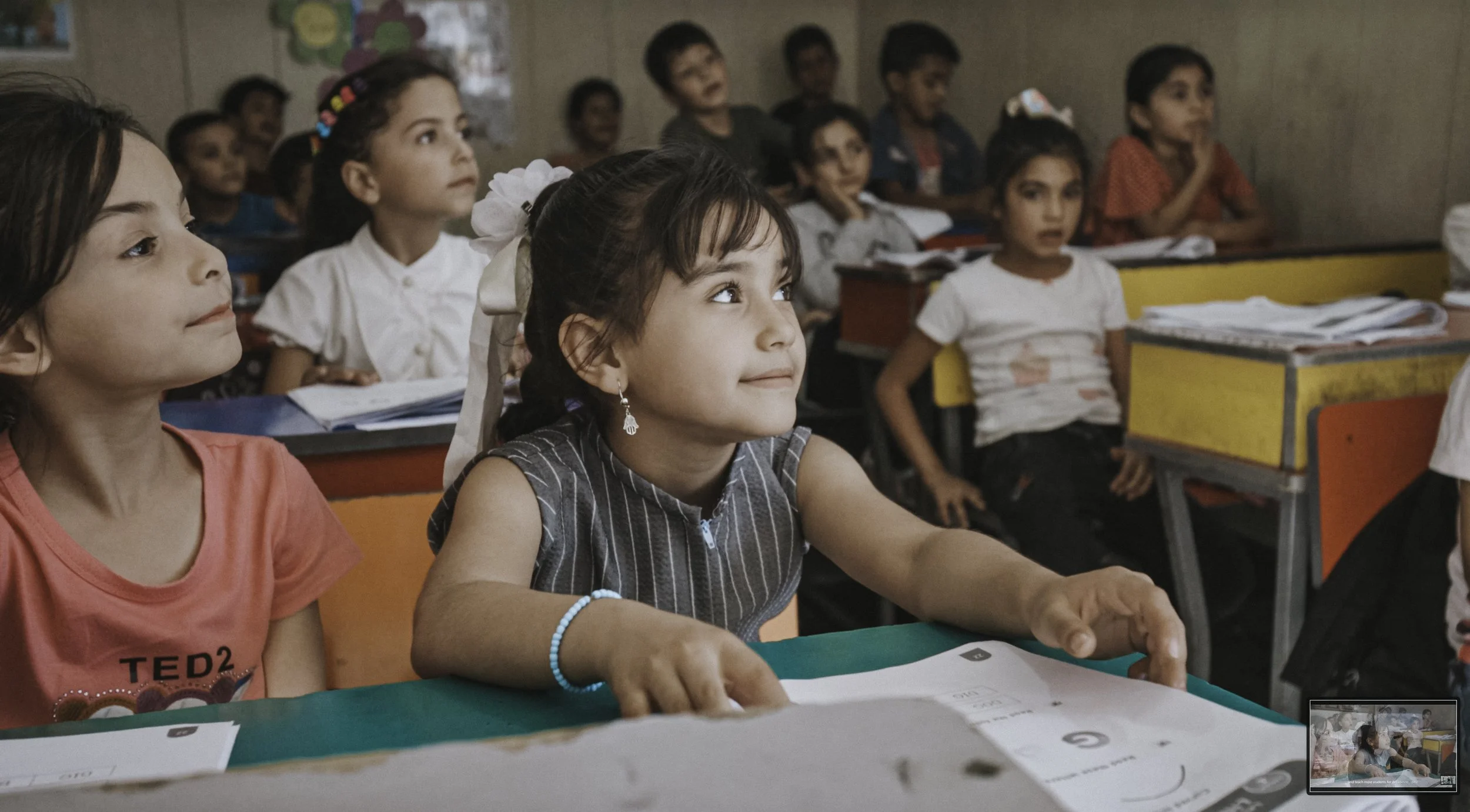
At Aid Pioneers, we work with local communities to power hospitals and schools with reliable solar energy, so critical care and learning don’t depend on diesel or a fragile grid.